 2 citations
,
February 2023 in “Journal of the American Academy of Dermatology”
2 citations
,
February 2023 in “Journal of the American Academy of Dermatology” People with autism are more likely to develop alopecia areata than those without autism.
June 2026 in “Clinical and Experimental Dermatology” Stabilization of fibrosing alopecia may not mean effective disease control.
October 2025 in “Clinical and Experimental Dermatology” Fibrosing alopecia can be stabilized or improved with anti-inflammatory treatments and hair growth agents.
 May 2015 in “Journal of The American Academy of Dermatology”
 Combination therapy with cyclosporine and low-dose corticosteroid shows favorable long-term results for treating alopecia areata.
 22 citations
,
October 2014 in “International Journal of Trichology”
22 citations
,
October 2014 in “International Journal of Trichology” Hair restoration surgery can lead to swelling, infections, scarring, numbness, hiccups, and poor hair growth.
 February 2017 in “The Journal of Sexual Medicine”
 Finasteride for hair loss can cause erectile dysfunction due to tissue fibrosis.
1 citations
,
December 2024 in “Archives of Iranian Medicine” Tofacitinib may help treat Lichen Planopilaris, but more research is needed.
 March 2005 in “Journal of The American Academy of Dermatology”
 Diphencyprone treatment protocols could be simplified as no harm occurred despite not fully following them.
 June 2020 in “Journal of Investigative Dermatology”
 Getting insurance to cover the hair loss treatment tofacitinib is hard because it's not officially approved for that use.
Low-dose oral minoxidil effectively treats hair loss with good tolerance.
 May 2025 in “International Journal of Trichology”
 Routine monitoring isn't needed for healthy patients on low-dose oral minoxidil, but is advised for those with kidney issues.
January 2012 in “eScholarship (California Digital Library)” Hair and nails contain stable RNA, useful for personalized medicine and screening.
 July 2020 in “Journal of the American Academy of Dermatology”
 Spironolactone does not increase the risk of breast cancer recurrence.
 April 2024 in “DAHUDER Medical journal”
 The study concluded that there is no significant link between thyroid autoimmunity and alopecia areata.
 March 2018 in “Dermatología Argentina”
 The study found that the average age of women diagnosed with Frontal Fibrosing Alopecia in Argentina is higher than in other countries, but their symptoms are similar.
 April 2016 in “Journal of The American Academy of Dermatology”
 The study found that severe alopecia areata affects any age, treatments often give temporary results, and some factors predict worse outcomes.
 December 2015 in “Turk Dermatoloji Dergisi”
 The study found that scalp ringworm is the most common fungal infection in children and topical treatments work well.
20 citations
,
March 2022 in “Journal of clinical medicine” Nearly half of the studied men with long COVID had low testosterone, including younger men.
 5 citations
,
March 2014 in “Journal of The American Academy of Dermatology”
5 citations
,
March 2014 in “Journal of The American Academy of Dermatology” The study suggests hormonal factors may play a role in Frontal Fibrosing Alopecia and that treatments like oral antiandrogens and steroids could be beneficial.
April 2017 in “Leukemia research” Tofacitinib helped most teenagers in the study regrow hair with mild side effects.
 February 2024 in “Actas dermo-sifiliográficas/Actas dermo-sifiliográficas”
 Most alopecia areata patients in the study were women, aged 15-49, with patchy hair loss and often had other health conditions.
113 citations
,
May 2007 in “Journal of the American Academy of Dermatology” The study found that steroids and tetracycline helped treat active Lichen planopilaris, and hair transplants were good for later stages.
 14 citations
,
April 2016 in “British Journal of Dermatology”
14 citations
,
April 2016 in “British Journal of Dermatology” The study found that the most common repigmentation pattern in children with vitiligo is a combination of patterns, with a new medium spotted pattern identified.
 November 2003 in “Journal of Dermatology”
 Finasteride's link to depression is questionable due to study flaws and potential bias.
 2 citations
,
November 2011 in “Journal of Infection”
2 citations
,
November 2011 in “Journal of Infection” A woman with asthma improved from a severe fungal infection after treatment change, and most HIV-positive women in a UK study had low immune cell counts but were responding well to treatment.
 6 citations
,
May 2008 in “Current Opinion in Oncology”
6 citations
,
May 2008 in “Current Opinion in Oncology” 2007 research improved understanding of prostate cancer risk, diagnosis, and treatment, but also showed the need for personalized treatment and further study on certain therapies' risks.
 July 2010 in “British Journal of Dermatology”
 New hair regrowth model proposed, imiquimod found to kill skin cancer cells, T-cadherin loss linked to invasive skin cancer, no clear gene link to skin cancer after transplant, and study on children's hair loss shows male dominance and genetic ties.
 March 2025 in “Pain Physician”
 Cooling the skin before injections reduces pain for patients with hair loss.
 October 2024 in “World Journal of Psychiatry”
 Stress worsens hair loss in androgenetic alopecia.
 73 citations
,
January 1997 in “British Journal of Ophthalmology”
73 citations
,
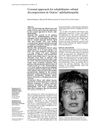
January 1997 in “British Journal of Ophthalmology” The coronal approach is effective and safe for reducing eye bulging in Graves' eye disease.