 April 2016 in “Journal of The American Academy of Dermatology”
 Dutasteride is more effective than finasteride for hair growth with similar side effects.
 January 2015 in “Springer eBooks”
 Chronic kidney disease can cause hair loss, which may be related to zinc deficiency or certain medications, and sometimes hair grows back when the underlying issue is treated.
May 2000 in “Journal of Investigative Dermatology” Hedgehog signaling is crucial for hair development, cadherins affect cell adhesion, neutrophils play a role in skin lesions, and BP230 autoantibodies impact skin stability.
 72 citations
,
November 2015 in “Multiple Sclerosis and Related Disorders”
72 citations
,
November 2015 in “Multiple Sclerosis and Related Disorders” Teriflunomide is safe and tolerable for treating relapsing-remitting multiple sclerosis, with manageable side effects.
 44 citations
,
August 2010 in “Lupus”
44 citations
,
August 2010 in “Lupus” Lupus can affect the scalp and nails, often causing hair loss and nail damage, and needs early aggressive treatment to prevent permanent damage.
 31 citations
,
October 2013 in “Psychosomatics”
31 citations
,
October 2013 in “Psychosomatics” Psychotropic medications can cause skin reactions, including severe conditions like SJS and TEN, and it's important for psychiatrists to recognize and manage these side effects.
 26 citations
,
August 2018 in “American Journal of Clinical Dermatology”
26 citations
,
August 2018 in “American Journal of Clinical Dermatology” Hair loss in cancer patients can be related to the cancer itself, treatment, or other conditions, and understanding it is important for diagnosis and patient care.
 20 citations
,
December 2016 in “Neurodegenerative disease management”
20 citations
,
December 2016 in “Neurodegenerative disease management” Teriflunomide effectively reduces relapses and disability in MS and has a manageable safety profile.
 7 citations
,
January 2015 in “Current problems in dermatology”
7 citations
,
January 2015 in “Current problems in dermatology” Hair loss can be caused by stress, infections, drugs, and various diseases, with treatment depending on accurate diagnosis.
January 2015 in “Faculty of 1000 Research Ltd” Androgenetic alopecia may be irreversible due to the detachment of a muscle from hair follicles.

Hair loss can happen after severe H1N1 flu but usually grows back in 4 months.
20 citations
,
May 2011 in “Journal of Clinical Investigation” The study created a mouse model to mimic degenerative diseases for testing tissue repair and new therapies.
 September 2023 in “Ain Shams medical journal”
 31% of female high school students in Minia have hair loss from tight hairstyles, which can become permanent if not treated early.
 October 2013 in “European Orthopaedics and Traumatology”
 A woman's hair grew back within 3 months after temporary hair loss from improper head positioning during shoulder surgery.
 172 citations
,
November 1983 in “Journal of The American Academy of Dermatology”
172 citations
,
November 1983 in “Journal of The American Academy of Dermatology” Chemotherapy can cause skin problems like hair loss, mouth sores, and skin darkening, and recognizing these can affect treatment decisions.
 82 citations
,
August 2017 in “Cell Reports”
82 citations
,
August 2017 in “Cell Reports” An imbalanced gut and lack of biotin can cause hair loss in mice.
 78 citations
,
March 2017 in “JAMA Dermatology”
78 citations
,
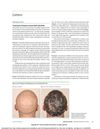
March 2017 in “JAMA Dermatology” Tofacitinib helped regrow hair in people with severe alopecia, but side effects occurred and benefits stopped after treatment ended.
 64 citations
,
January 2010 in “The FASEB Journal”
64 citations
,
January 2010 in “The FASEB Journal” Prolactin affects the production of different keratins in human hair, which could lead to new treatments for skin and hair disorders.
 55 citations
,
November 2004 in “Expert opinion on drug safety”
55 citations
,
November 2004 in “Expert opinion on drug safety” Chemotherapy often causes hair loss, nail changes, and mouth issues, but these are usually manageable.
52 citations
,
May 2009 in “Human & experimental toxicology” Hair loss and polyneuropathy improved, but severe vision impairment persisted.
 52 citations
,
January 1999 in “Journal of Small Animal Practice”
52 citations
,
January 1999 in “Journal of Small Animal Practice” Removing a cat's pancreatic cancer can temporarily reverse hair loss caused by the disease.
 49 citations
,
February 2009 in “Maturitas”
49 citations
,
February 2009 in “Maturitas” Short-term testosterone therapy in women seems safe with few mild side effects, but long-term effects need more research.
 38 citations
,
February 2012 in “Supportive Care in Cancer”
38 citations
,
February 2012 in “Supportive Care in Cancer” Skin problems like acne, dry skin, and nail and hair changes are common in patients taking EGFR inhibitors.
 33 citations
,
January 2016 in “Indian Journal of Dermatology, Venereology and Leprology”
33 citations
,
January 2016 in “Indian Journal of Dermatology, Venereology and Leprology” Taking 1 mg of finasteride daily can increase hair count and improve hair appearance, but it may have side effects on sexual function and a potential risk of prostate cancer. It may not be effective for postmenopausal women unless taken in higher doses.
 33 citations
,
November 2006 in “Survey of Ophthalmology”
33 citations
,
November 2006 in “Survey of Ophthalmology” Madarosis is the loss of eyelashes and eyebrows due to various health issues and requires thorough examination to diagnose and treat the underlying cause.
 32 citations
,
May 2010 in “Pharmacopsychiatry”
32 citations
,
May 2010 in “Pharmacopsychiatry” Finasteride reduces new brain cells in male mice, possibly causing depression.
 20 citations
,
March 2017 in “Journal of cutaneous pathology”
20 citations
,
March 2017 in “Journal of cutaneous pathology” Shrinking of oil glands in the skin is a key sign of hair loss linked to TNF inhibitor drugs and may improve if the treatment is stopped.
 18 citations
,
May 2020 in “Biomolecules”
18 citations
,
May 2020 in “Biomolecules” Spironolactone, a heart and liver drug, has new uses including cancer treatment, viral infection prevention, and skin condition improvement.
 12 citations
,
January 2014 in “The Pan African medical journal”
12 citations
,
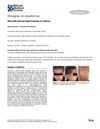
January 2014 in “The Pan African medical journal” Minoxidil caused unwanted hair growth in a child, but stopped after stopping treatment.
 10 citations
,
February 2020 in “Endocrine”
10 citations
,
February 2020 in “Endocrine” Finasteride safely treats hair loss without harming hormones or reproduction, but may slightly reduce sexual function.