 August 2023 in “Acta Scientific Paediatrics”
 A baby from an Indian family had a rare genetic disorder causing no scalp or body hair due to a specific gene deletion.
 April 2023 in “The journal of investigative dermatology/Journal of investigative dermatology”
 Removing UBE2N from skin cells causes inflammation and immune response, which can be lessened with specific inhibitors.
104 citations
,
July 1994 in “The Journal of Cell Biology” Basonuclin helps keratinocytes multiply and prevents them from fully maturing.
 52 citations
,
October 1999 in “Developmental Dynamics”
52 citations
,
October 1999 in “Developmental Dynamics” Mutations in the hairless gene in mice affect its expression and lead to a range of developmental issues in multiple tissues.
11 citations
,
November 1996 in “Pediatric dermatology” Trichostasis spinulosa can look like acne but usually affects adults, not children.
January 2022 in “Clinical Cases in Dermatology” A man developed a unique rash on his neck after taking niacinamide, and doctors recommend considering niacinamide as a cause for similar rashes and using dermatoscopy for diagnosis.
15 citations
,
March 1987 in “Phycologia” Phosphorus limitation causes significant hair growth in certain algae.
 2 citations
,
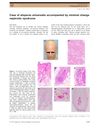
August 2015 in “Journal of dermatology”
2 citations
,
August 2015 in “Journal of dermatology” A possible link exists between minimal change nephrotic syndrome and complete hair loss.
 January 2024 in “Regenerative Biomaterials”
 Dissolvable microneedles with Ginsenoside Rg3 can help treat hair loss by improving drug delivery and stimulating hair growth.
164 citations
,
September 2010 in “PLANT PHYSIOLOGY” Nitric oxide helps Solanum nigrum adapt to long-term zinc toxicity by changing root growth and metal balance.
13 citations
,
October 2007 in “Bulletin of the Korean Chemical Society” Mollugin may help treat diseases and boost hair growth and anti-aging.
 11 citations
,
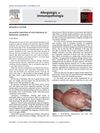
October 2011 in “Allergologia et immunopathologia”
11 citations
,
October 2011 in “Allergologia et immunopathologia” A girl with Netherton syndrome was able to eat wheat without allergies after a special treatment.
A 16-year-old girl with lupus symptoms improved with treatment despite negative ANA tests.
18 citations
,
April 2002 in “Journal of cutaneous pathology” Tiny infundibular cysts are the main lesions in chloracne, not comedones.
5 citations
,
June 2021 in “chemistry of plant raw material” Rumex plants have potential health benefits, including antihypertensive, antiviral, antibacterial, and antitumor effects.
8 citations
,
July 2004 in “Journal of morphology” Marsupial hair structure and keratin distribution are similar to placental mammals.
23 citations
,
December 1977 in “Virchows Archiv B Cell Pathology”  March 2024 in “Journal of medicinal plants studies”
 Hibiscus has medicinal benefits but can be toxic in high doses and is unsafe for pregnant women and infants.
October 2017 in “The American Journal of Gastroenterology” Early diagnosis and nutritional support are crucial for managing Cronkhite-Canada Syndrome.
1 citations
,
January 2019 in “Via Medica Journals” Graham-Little syndrome causes hair loss and skin bumps, with difficult treatment options.
 9 citations
,
February 2018 in “The Journal of Dermatology”
9 citations
,
February 2018 in “The Journal of Dermatology” A new mutation in the LIPH gene was found to cause a rare hair disorder in a Japanese boy.
 September 2024 in “Frontiers in Veterinary Science”
 A simple enrichment program improves health and reproduction in Calomys callosus.
November 2024 in “Journal of Investigative Dermatology” Genetic defects in the Wnt/PCP pathway may cause congenital yellow nail syndrome.
September 2025 in “Discover Chemistry.” Alpinia calcarata, Alpinia galanga, and Alpinia zerumbet have potential health benefits, including fiber, antimicrobial, antioxidant, and cardiovascular properties.
14 citations
,
August 2021 in “Journal of Pharmaceutical Sciences” Cholesterol- and phospholipid-free niosomes improve deep skin drug delivery.
81 citations
,
February 2014 in “EMBO molecular medicine” Activating Nrf2 in skin cells causes skin disease similar to chloracne in mice.
49 citations
,
February 2009 in “Clinical Rheumatology” SLE is more common among Nigerians than previously thought, especially in women, requiring early treatment.
 December 2016 in “Springer eBooks”
 Chrousos Syndrome is caused by mutations that make the body less sensitive to glucocorticoids, leading to various symptoms and requiring high-dose treatment.
4 citations
,
August 2025 in “Plant Cell & Environment” Azospirillum brasilense promotes root hair growth in Arabidopsis by increasing auxin and activating specific genes.
2 citations
,
January 2016 in “İzmir Dr.Behçet Uz çocuk hastanesi dergisi” A child's scalp infection was caused by a fungus not previously known to do so, but it was successfully treated.