 April 2024 in “Clinical and experimental dermatology”
 Tofacitinib is effective for severe alopecia areata, similar to oral betamethasone.
December 2022 in “Zenodo (CERN European Organization for Nuclear Research)” Tofacitinib effectively treated severe alopecia areata in a 14-year-old girl.
July 2024 in “Reactions Weekly”  September 2022 in “Hair transplant forum international”
 JAK inhibitors like baricitinib are a new FDA-approved treatment for alopecia areata, but safety data is incomplete.
 January 2026 in “Dermatology and Therapy”
 Patients with alopecia areata on ritlecitinib responded well to tetanus and meningococcal vaccines.
 July 2024 in “Medical alphabet”
 JAK inhibitors like tofacitinib may effectively treat alopecia in children without major side effects.
 12 citations
,
June 2023 in “JAMA network open”
12 citations
,
June 2023 in “JAMA network open” JAK inhibitors effectively improve hair regrowth in alopecia areata with an acceptable safety profile.
 28 citations
,
December 2017 in “Journal of Investigative Dermatology Symposium Proceedings”
28 citations
,
December 2017 in “Journal of Investigative Dermatology Symposium Proceedings” Tofacitinib shows promise for treating severe hair loss in adults and teens, with many experiencing regrowth, but hair loss returns when treatment stops.
 1 citations
,
December 2022 in “The Nishinihon Journal of Dermatology”
1 citations
,
December 2022 in “The Nishinihon Journal of Dermatology” Baricitinib is an effective treatment for severe alopecia areata.
March 2025 in “Clinical and Experimental Dermatology” Older patients without prior JAK inhibitor treatment respond best to tofacitinib for alopecia areata.
Upadacitinib and oral minoxidil improved Crohn's disease and hair regrowth in a patient.
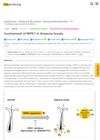
RIPK1 inhibitors might help prevent alopecia areata.
 May 2025 in “The Journal of Rheumatology”
 Early diagnosis and treatment are crucial for CAPS, and Eculizumab can be effective.
 3 citations
,
July 2018 in “European Journal of Dermatology”
3 citations
,
July 2018 in “European Journal of Dermatology” An elderly man's hair grew back after treatment with secukinumab, possibly due to reduced scalp inflammation or the medication's direct effects.
 34 citations
,
July 2011 in “International journal of pharmaceutics”
34 citations
,
July 2011 in “International journal of pharmaceutics” Ion-paired risedronate significantly increases skin penetration without irritation compared to risedronate alone.
1 citations
,
April 2017 in “Journal of Investigative Dermatology” Abatacept may help some people with alopecia areata regrow hair.
October 2024 in “The American Journal of Gastroenterology” Upadacitinib improved both Crohn's ileitis and alopecia universalis in a patient.
19 citations
,
September 2006 in “Journal of Pediatric Gastroenterology and Nutrition” Early use of infliximab in severe pediatric Crohn's disease can lead to significant improvement and remission.
 March 2025 in “Drug Development Research”
 The new gel combining minoxidil and tofacitinib effectively treats alopecia areata by promoting hair growth and reducing inflammation.
July 2024 in “Journal of Investigative Dermatology” OR101 may effectively treat atopic dermatitis and similar skin conditions.
 March 2026 in “JMIR Dermatology”
 Interest in JAK inhibitors for alopecia areata increased significantly after FDA approval, highlighting the need for patient education.
 July 2017 in “Nursing2023”
 Actemra is approved for a specific artery condition, HIV treatment adherence has improved, women may pay more for a hair loss product, and incorrect dosing of blood thinners can be risky.
November 2025 in “Journal of the European Academy of Dermatology and Venereology” JAK inhibitors may reduce depression in people with alopecia areata.
14 citations
,
August 2019 in “Dermatologic Therapy”  July 2026 in “Frontiers in Pediatrics”
 An 11-year-old girl with severe hair loss regrew and repigmented her hair after JAK inhibitor treatment.
20 citations
,
September 1983 in “Archives of dermatology” The new synthetic retinoid RO 13-6298 effectively treated severe psoriasis at low doses with manageable side effects.
 6 citations
,
February 2023 in “Journal of nanobiotechnology”
6 citations
,
February 2023 in “Journal of nanobiotechnology” The new anti-acne treatment HA-P5 effectively reduces acne by targeting two key receptors and avoids an enzyme that can hinder treatment.
4 citations
,
September 2025 in “Journal of the American Academy of Dermatology” 5 citations
,
July 2024 in “Archives of Dermatological Research” 10 citations
,
January 2023 in “SAGE Open Medical Case Reports” Upadacitinib may effectively treat both alopecia universalis and Crohn's disease.