14 citations
,
April 2024 in “The Journal of Steroid Biochemistry and Molecular Biology” 5α-reductases increase epitestosterone's effect on androgen receptors.
November 2015 in “Ankara Medical Journal” Weekly 5 mg folate is enough to prevent methotrexate toxicity in rheumatoid arthritis patients.
 June 2016 in “Annals of the rheumatic diseases”
 Methotrexate is effective for treating rheumatoid arthritis but requires regular monitoring.
28 citations
,
November 2004 in “Endocrinology” SARMs may offer benefits by boosting muscle effects without unwanted side effects.
23 citations
,
September 2020 in “BMC Cancer” 5α-reductase inhibitors may lower the risk of death from bladder cancer.
 1 citations
,
April 2019 in “Clinical Breast Cancer”
1 citations
,
April 2019 in “Clinical Breast Cancer” Medicines for enlarged prostate may raise the risk of breast growth and tenderness but not breast cancer.
 January 2023 in “National journal of physiology, pharmacy and pharmacology”
 Low-dose methotrexate is generally safe but can cause mild to severe side effects, and folic acid can reduce these risks.
March 2023 in “SKIN The Journal of Cutaneous Medicine” Ritlecitinib helped most alopecia areata patients regrow hair by Week 48.
 August 2012 in “Pharmaceutical Medicine”
 The document concludes that various medications and treatments can have significant, sometimes adverse, effects on health outcomes.
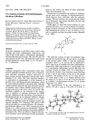 December 1998 in “Acta Crystallographica Section C-crystal Structure Communications”
 A new compound with strong antiandrogenic effects was found, potentially useful for treating conditions like acne and prostate cancer.
1 citations
,
January 2010 in “Elsevier eBooks” Testosterone therapy may help men with osteoporosis.
January 2024 in “Pharmacoepidemiology” Patients with rheumatoid arthritis using tofacitinib had more serious side effects than those with alopecia areata.
February 2023 in “Reactions Weekly” 116 citations
,
December 2003 in “Acta Dermato Venereologica” Iressa often causes skin issues like acne and dryness in lung cancer patients.
 28 citations
,
August 2014 in “Cancer Causes & Control”
28 citations
,
August 2014 in “Cancer Causes & Control” Taking 5α-reductase inhibitors does not significantly increase the risk of breast cancer in men.
129 citations
,
January 2004 in “Journal of medicinal chemistry” Researchers developed new compounds that target the androgen receptor effectively with fewer side effects.
Spironolactone may be a better acne treatment for adult women than antibiotics.
5-Alpha reductase inhibitors help treat enlarged prostate but may cause sexual side effects.
 5 citations
,
June 2001 in “Annals of Internal Medicine”
5 citations
,
June 2001 in “Annals of Internal Medicine” Rituximab effectively treated a woman's bone lymphoma that was resistant to other treatments.
January 2025 in “Reactions Weekly” November 2024 in “Reactions Weekly” May 2023 in “Reactions Weekly” Ritlecitinib improves hair regrowth in alopecia areata without increasing adverse risks.
3 citations
,
March 2025 in “Journal of Clinical Medicine” Ritlecitinib effectively treats alopecia areata with manageable side effects.
45 citations
,
July 2025 in “Journal of Medicinal Chemistry” Vepdegestrant may become the first FDA-approved PROTAC degrader, marking a new era in drug development.
May 2025 in “Reactions Weekly”  39 citations
,
November 2015 in “Pediatric Nephrology”
39 citations
,
November 2015 in “Pediatric Nephrology” Rituximab leads to longer remission and fewer side effects than cyclophosphamide.
 22 citations
,
January 2017 in “Dermatology”
22 citations
,
January 2017 in “Dermatology” Spironolactone is effective and safe for treating acne with minimal side effects.
 December 2018 in “Actas urológicas españolas”
 5-alpha reductase inhibitors may have additional effects on cancer, mental health, heart health, and hormone levels beyond treating prostate enlargement.
June 2026 in “British Journal of Dermatology” Ritlecitinib is effective and safe for treating alopecia areata, especially in newer cases.