 3 citations
,
October 2021 in “Brain Sciences”
3 citations
,
October 2021 in “Brain Sciences” Long-term use of Risperidone may be linked to a serious skin condition in bipolar patients, affecting their overall well-being.
5 citations
,
December 2023 in “Current Biology” A feedback loop between LRH and RSL4 controls root hair growth in Arabidopsis.
 2 citations
,
June 2024 in “Frontiers in Plant Science”
2 citations
,
June 2024 in “Frontiers in Plant Science” LLPS is crucial for RALF signaling, aiding plant growth and stress resilience.
April 2023 in “Journal of Investigative Dermatology” RNase L suppresses regeneration in mammals.
 February 2025 in “Journal of Clinical Investigation”
 RNase L hinders hair growth by altering immune signals.
September 2017 in “Journal of Investigative Dermatology” LRIG1 protein affects hair growth by regulating skin receptors, leading to hair loss when overexpressed.
RNase L hinders hair follicle regeneration by altering immune signals.
 May 2026 in “Scientific Reports”
 Overexpression of LRIG3 in skin causes hair loss.
 1 citations
,
July 2025 in “SKIN The Journal of Cutaneous Medicine”
1 citations
,
July 2025 in “SKIN The Journal of Cutaneous Medicine” Ritlecitinib is effective and safe for long-term treatment of alopecia areata.
15 citations
,
January 2025 in “Journal of the European Academy of Dermatology and Venereology” Ritlecitinib is effective and safe for treating alopecia areata, promoting significant hair regrowth.
4 citations
,
July 2024 in “Pharmacology Research & Perspectives” Ritlecitinib is safe and may effectively treat alopecia areata.
 31 citations
,
October 2010 in “Progress in lipid research”
31 citations
,
October 2010 in “Progress in lipid research” LPA3 is crucial for embryo implantation and links LPA to prostaglandin signaling.
 26 citations
,
June 2018 in “The journal of immunology/The Journal of immunology”
26 citations
,
June 2018 in “The journal of immunology/The Journal of immunology” AIRE-deficient rats developed severe autoimmune disease similar to APECED, useful for testing treatments.
1 citations
,
August 2024 in “British Journal of Dermatology” Ritlecitinib effectively promotes hair regrowth in alopecia areata patients, even with extensive hair loss.
 August 2016 in “Journal of Investigative Dermatology”
 Researchers found a new genetic mutation linked to a hair condition in a Japanese boy.
 March 2026 in “American Journal of Clinical Dermatology”
 Ritlecitinib is effective and safe for long-term use in treating severe alopecia areata in people aged 12 and older.
6 citations
,
March 2024 in “SKIN The Journal of Cutaneous Medicine” Ritlecitinib is effective for long-term treatment of severe alopecia areata.
49 citations
,
January 2010 in “Plant and Cell Physiology” LPR1 regulates root growth under low phosphate stress independently of SIZ1 in Arabidopsis thaliana.
 September 2024 in “Drugs & Therapy Perspectives”
 Ritlecitinib effectively regrows hair in severe alopecia areata and is well tolerated.
July 2023 in “SKIN The Journal of Cutaneous Medicine” Continued ritlecitinib treatment can improve hair regrowth in some alopecia areata patients who initially don't respond.
13 citations
,
February 2025 in “Journal of the European Academy of Dermatology and Venereology” Ritlecitinib shows promise for treating alopecia areata, especially with early and extended treatment.
4 citations
,
March 2025 in “The Journal of Dermatology” Ritlecitinib is effective and safe for hair regrowth in Asian patients with alopecia areata.
March 2023 in “SKIN The Journal of Cutaneous Medicine” Ritlecitinib helped most alopecia areata patients regrow hair by Week 48.
 April 2018 in “The journal of investigative dermatology/Journal of investigative dermatology”
 Double-stranded RNA helps regenerate hair follicles by increasing retinoic acid production and signaling.
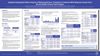 July 2025 in “SKIN The Journal of Cutaneous Medicine”
 Ritlecitinib is generally safe for alopecia areata patients over 72 months.
2 citations
,
October 2023 in “bioRxiv (Cold Spring Harbor Laboratory)” RANKL helps regenerate lung cells, potentially aiding lung repair in diseases like COPD.
1 citations
,
November 2023 in “SKIN The Journal of Cutaneous Medicine” 50 citations
,
February 2004 in “Genomics” A gene mutation causes lanceolate hair in rats by disrupting hair shaft integrity.
February 2026 in “The Journal of Dermatology” Ritlecitinib effectively regrows scalp, eyebrow, and eyelash hair in Asians with alopecia areata and is safe.
3 citations
,
November 2023 in “Journal of Investigative Dermatology” Over 45% of patients with alopecia areata benefit from ritlecitinib, mostly within a year.