January 2026 in “Regenerative Biomaterials” Advanced hydrogels can autonomously deliver drugs to treat radiation skin injuries, but challenges remain for clinical use.
 35 citations
,
April 2008 in “Human Molecular Genetics”
35 citations
,
April 2008 in “Human Molecular Genetics” Skin and hair can help us understand organ regeneration, especially how certain stem cells might be used to form new organs.
April 2018 in “Plastic & Reconstructive Surgery Global Open” LGR6+ stem cells may improve bone healing.
12 citations
,
June 2016 in “Clinical and experimental dermatology” A new genetic mutation in the TRPV3 gene causes Olmsted-like syndrome in a Mongolian family.
20 citations
,
January 2022 in “Oxidative Medicine and Cellular Longevity” Reactive oxygen species (ROS) influence hair growth by causing DNA damage, cell death, and changes in immune cells.
 2 citations
,
May 2012 in “Annals of Oncology”
2 citations
,
May 2012 in “Annals of Oncology” Patients with advanced breast cancer and high hormone receptor levels who had surgery for ovarian/pelvic metastases lived longer, especially if they had high estrogen receptor levels.
Delta-opioid receptors affect skin cell circadian rhythms, possibly impacting wound healing and cancer.
 October 2024 in “Annals of Dermatology”
 Korean Red Ginseng may help protect hair from damage and promote growth.
 March 2024 in “International Journal of Pharmaceutics”
 Ginsenoside Rg3 combined with minoxidil was more effective in treating hair loss in mice.
July 2015 in “International Society of Hair Restoration Surgery” October 2019 in “Research Square (Research Square)” Certain circular RNAs may regulate wool follicle growth in sheep.
 March 2019 in “Journal der Deutschen Dermatologischen Gesellschaft”
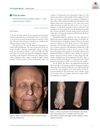
 Rothmund-Thomson syndrome type 2 can cause chronic, poorly healing wounds.
 3 citations
,
May 2022 in “Oncogene”
3 citations
,
May 2022 in “Oncogene” Vav2 and Vav3 proteins help control skin stem cell numbers and activity in both healthy and cancerous cells.
 June 2022 in “bioRxiv (Cold Spring Harbor Laboratory)”
 A specific molecular switch, driven by MAPK/ERK signaling, helps spiny mice heal wounds by regenerating skin instead of forming scars.
January 2026 in “PLoS Biology” ARHGEF3 is essential for proper hair follicle development in mice.
 September 2023 in “Frontiers in cell and developmental biology”
 Vav2 changes how hair follicle stem cells' genes work as they age, which might improve regeneration but also raise cancer risk.
21 citations
,
April 2008 in “Pediatric Research”  January 2025 in “Advances in Dermatology and Allergology”
 Hair disorders in organ transplant patients are often underestimated and need more attention and research.
 April 2023 in “American Journal of Transplantation”
 Hormone replacement therapy may lower the risk of severe COVID-19 outcomes in non-immunosuppressed people and male organ transplant recipients.
 1 citations
,
July 2023 in “Nature communications”
1 citations
,
July 2023 in “Nature communications” MOF controls key genes for skin development by regulating mitochondrial and ciliary functions.
 January 2024 in “Wiadomości Lekarskie”
 Multiomics is revolutionizing biology by enabling breakthroughs in research and disease diagnosis.
28 citations
,
November 2004 in “Endocrinology” SARMs may offer benefits by boosting muscle effects without unwanted side effects.
 15 citations
,
May 2003 in “The Laryngoscope”
15 citations
,
May 2003 in “The Laryngoscope” FGF-1 causes spiral ganglion neurites to branch more.
January 2020 in “Archivio Istituzionale della Ricerca (Universita Degli Studi Di Milano)” Polycomb Repressive Complex 1 is crucial for keeping stem cells stable and maintaining healthy adult tissues.
December 2016 in “Chin J Anat Clin” Rat hair follicle stem cells can be effectively isolated and used for tissue engineering.
 14 citations
,
January 2009 in “Experimental Dermatology”
14 citations
,
January 2009 in “Experimental Dermatology” Hair sheds gradually from the follicle, with readiness to shed indicated by less attachment material.
November 2025 in “Frontiers in Pharmacology” Fermented rice bran extract helps delay skin aging by boosting collagen and elastin.
 20 citations
,
January 2021 in “Plants”
20 citations
,
January 2021 in “Plants” High energy boosts root hair growth in plants, while low energy stops it.
 March 2026 in “bioRxiv (Cold Spring Harbor Laboratory)”
 The Enriched-GF method efficiently produces high-yield growth factors for tissue repair.
February 2026 in “Biochemical and Biophysical Research Communications” Scientists successfully regenerated functional hair follicles using specific stem cells and mesenchymal cells.