 April 2016 in “The journal of investigative dermatology/Journal of investigative dermatology”
 RPGRIP1L helps skin cells stick together by blocking PKCβII, which can prevent skin blistering like in pemphigus.
 April 2016 in “The journal of investigative dermatology/Journal of investigative dermatology”
 Applying the anti-cancer drug Bortezomib to skin can promote hair growth and increase hair proteins through the GATA-3 factor.
 7 citations
,
January 2023 in “Frontiers in cell and developmental biology”
7 citations
,
January 2023 in “Frontiers in cell and developmental biology” Celsr1 is crucial for skin cell alignment, while Celsr2 has little effect on this process.
 1 citations
,
July 2023 in “Nature communications”
1 citations
,
July 2023 in “Nature communications” MOF controls key genes for skin development by regulating mitochondrial and ciliary functions.
 1 citations
,
January 2020
1 citations
,
January 2020 Ift20 is essential for hair follicle function and skin cell movement.
 50 citations
,
April 2014 in “Nature Communications”
50 citations
,
April 2014 in “Nature Communications” The research identified new skin traits in mice, some linked to human skin conditions.
 1 citations
,
November 2016 in “Congenital Anomalies”
1 citations
,
November 2016 in “Congenital Anomalies” Get head MRI for babies with achondroplasia early, use free immunoglobulin light chains to detect certain neurodevelopmental disorders, and video calls work for speech therapy in patients with facial anomalies.
 November 2022 in “bioRxiv (Cold Spring Harbor Laboratory)”
 MOF controls skin development by regulating genes for mitochondria and cilia.
 May 2022 in “bioRxiv (Cold Spring Harbor Laboratory)”
 Primary cilia affect the size and oil production of eye glands but not the oil's makeup.
September 2017 in “Journal of Investigative Dermatology” LRIG1 protein affects hair growth by regulating skin receptors, leading to hair loss when overexpressed.
 February 2025 in “International Journal of Molecular Sciences”
 RIPK1 inhibitors may help prevent alopecia areata by reducing immune cell activity.
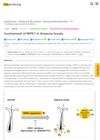
RIPK1 inhibitors might help prevent alopecia areata.
 2 citations
,
June 2024 in “Frontiers in Plant Science”
2 citations
,
June 2024 in “Frontiers in Plant Science” LLPS is crucial for RALF signaling, aiding plant growth and stress resilience.
 56 citations
,
December 2011 in “The Plant Journal”
56 citations
,
December 2011 in “The Plant Journal” AGD1 is important for root hair development in Arabidopsis, working with phosphoinositide signaling and the actin cytoskeleton.
5 citations
,
December 2023 in “Current Biology” A feedback loop between LRH and RSL4 controls root hair growth in Arabidopsis.
28 citations
,
March 2020 in “Journal of ethnopharmacology” Ginsenoside Rb1 slows down aging in mice by affecting cell growth, cell death, and metabolism.
September 2019 in “The journal of investigative dermatology/Journal of investigative dermatology” New RIPK4 gene mutations were found to cause a type of skin and limb birth defect.
49 citations
,
January 2010 in “Plant and Cell Physiology” LPR1 regulates root growth under low phosphate stress independently of SIZ1 in Arabidopsis thaliana.
10 citations
,
May 2021 in “Frontiers in Plant Science” OsRopGEF3 is crucial for rice root hair growth and ROS production.
 1 citations
,
June 2021 in “bioRxiv (Cold Spring Harbor Laboratory)”
1 citations
,
June 2021 in “bioRxiv (Cold Spring Harbor Laboratory)” GTL1 is needed to control root hair growth and prevent problems when there are too many nutrients.
 January 1999 in “Journal of the European Academy of Dermatology and Venereology”
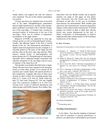
 RAPK is a rare skin disorder with pigmented spots, mainly on hands and feet, starting in youth.
 April 2019 in “Journal of Investigative Dermatology”
 Non-coding RNA boosts retinoic acid production and signaling, aiding regeneration.
112 citations
,
August 2012 in “The American Journal of Human Genetics” Mutations in the RBPJ gene cause Adams-Oliver Syndrome.
January 2026 in “Advanced Science” Increasing XIAP and DDRGK1 can help prevent hearing loss from loud noise.
 April 2024 in “bioRxiv (Cold Spring Harbor Laboratory)”
 A gene network led by RSL4 is crucial for early root hair growth in response to cold in Arabidopsis thaliana.
 September 2023 in “Plant journal”
 A protein called GIS3 is important for the growth of root hairs in Arabidopsis by controlling two genes with the help of certain growth signals.
 May 2026 in “Scientific Reports”
 Overexpression of LRIG3 in skin causes hair loss.
 September 2022 in “Research Square (Research Square)”
 Increasing Rps14 helps grow more inner ear cells and repair hearing cells in baby mice.
10 citations
,
August 1998 in “Journal of Investigative Dermatology” 76 citations
,
January 1998 in “Mammalian Genome”