17 citations
,
August 2015 in “Journal of Animal Science” The MTR gene affects wool quality and production in Chinese Merino sheep.
July 2024 in “Journal of Investigative Dermatology” CD8+ T cells expand significantly in alopecia areata, suggesting new treatment targets.
15 citations
,
October 2012 in “Journal of child neurology” The same genetic mutation in Sjögren-Larsson syndrome can lead to different levels of severity, suggesting other factors influence the symptoms.

Lnc056 helps hair follicle stem cells grow by increasing TRIP6 expression.
 July 2024 in “bioRxiv (Cold Spring Harbor Laboratory)”
 Hair loss in certain mice is linked to changes in keratin-related genes.
January 1996 in “Studia iuridica” Two new gene mutations cause a rare hair disorder.
 28 citations
,
March 2010 in “British Journal of Dermatology”
28 citations
,
March 2010 in “British Journal of Dermatology” Genetic marker rs12558842 strongly linked to male hair loss.
 23 citations
,
December 2013 in “British Journal of Dermatology”
23 citations
,
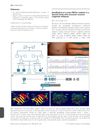
December 2013 in “British Journal of Dermatology” A new gene mutation linked to a skin condition was found in a Spanish family.
 25 citations
,
August 2017 in “Animal Biotechnology”
25 citations
,
August 2017 in “Animal Biotechnology” Researchers found that certain RNA molecules might play a role in the growth of Cashmere goat hair.
Low IRES/Cap translation is linked to higher stem cell potential.
January 2024 in “Kafkas Universitesi Veteriner Fakultesi Dergisi” A specific genetic variation affects wool quality in sheep.
 January 2018 in “bioRxiv (Cold Spring Harbor Laboratory)”
 Researchers found key regions in the mouse hairless gene that control its activity in skin and brain cells, affecting hair follicle function.
 8 citations
,
October 2019 in “Immunological investigations”
8 citations
,
October 2019 in “Immunological investigations” The AIRE gene variant rs2075876 is linked to a higher risk of alopecia areata in males.
June 2020 in “Research Square (Research Square)” The study found key long non-coding RNAs involved in yak hair growth cycles.
May 2026 in “Science Advances” Caloric stress and differentiation increase IRES translation, affecting stem cell function and potential therapies.
 3 citations
,
February 2011 in “Journal of Biomedical Research/Journal of biomedical research”
3 citations
,
February 2011 in “Journal of Biomedical Research/Journal of biomedical research” A new mutation in the KRT86 gene was found to cause the hair disorder monilethrix in a Han family.
117 citations
,
August 1999 in “Nature Genetics” April 2022 in “Scientific Reports” 3 citations
,
January 2013 in “Dermatology” New genetic mutations causing hair loss were found in a Chinese family.
October 2024 in “Developmental Dynamics” Recent advances show zebrafish can model anemia, Alx4 affects craniofacial and hair development, and mTORC1 is crucial for retinal development.
19 citations
,
July 2020 in “EBioMedicine” A gene variant increases the risk of a type of hair loss by affecting hair protein production.
May 2018 in “The journal of immunology/The Journal of immunology” Mutations in the FOXN1 gene cause severe immune issues but don't affect hair and nails.
January 2006 in “Chinese Journal of Dermatology” Shorter GGC triplet repeats in the androgen receptor gene are linked to less hair loss in Han men.
November 2020 in “Journal of animal science/Journal of animal science ... and ASAS reference compendium” Certain genetic variants in PRLR and PCCA genes may lead to shorter hair in cattle, which could help with heat tolerance.
 9 citations
,
September 2014 in “Cancer Epidemiology, Biomarkers & Prevention”
9 citations
,
September 2014 in “Cancer Epidemiology, Biomarkers & Prevention” Certain genetic variants in the androgen receptor are linked to higher PSA levels, potentially affecting prostate cancer screening outcomes.
15 citations
,
June 2012 in “British Journal of Dermatology” A new mutation in the KRT86 gene causes a hair disorder with variable expression.
September 2025 in “OPAL (Open@LaTrobe) (La Trobe University)” AR-27 E-Chol siRNA can effectively promote hair regrowth for androgenetic alopecia.
 April 2024 in “bioRxiv (Cold Spring Harbor Laboratory)”
 A gene network led by RSL4 is crucial for early root hair growth in response to cold in Arabidopsis thaliana.
 45 citations
,
July 2009 in “Journal of human genetics”
45 citations
,
July 2009 in “Journal of human genetics” A gene variation is linked to hair thickness in Asians.
303 citations
,
October 2000 in “Nature” RXRα is crucial for hair growth and skin cell function.