 3 citations
,
December 1994 in “JEADV. Journal of the European Academy of Dermatology and Venereology/Journal of the European Academy of Dermatology and Venereology”
3 citations
,
December 1994 in “JEADV. Journal of the European Academy of Dermatology and Venereology/Journal of the European Academy of Dermatology and Venereology” Oral itraconazole effectively reaches and treats deep skin layers in guinea pigs.
 13 citations
,
March 2020 in “Genes”
13 citations
,
March 2020 in “Genes” Disrupting the FGF5 gene in rabbits leads to longer hair by extending the hair growth phase.
June 2019 in “Problems of Cryobiology and Cryomedicine” June 2026 in “Journal of Cosmetic Dermatology” CGF-PF may improve hair loss treatment by targeting hair follicle stem cells more effectively.
 April 2025 in “Dermatology Practical & Conceptual”
 Biopsy is crucial for accurately diagnosing EPDS to avoid mistaking it for SCC.
January 2005 in “Belarusian State Pedagogical University repository (Belarusian State Pedagogical University)” 0.5% TPGS boosts hair growth with minoxidil, but 2% TPGS increases minoxidil absorption.
 June 2010 in “Melanoma research”
 LDE225 is a promising skin-applied treatment for basal cell carcinoma with good skin penetration and effectiveness.
 52 citations
,
April 2013 in “Developmental Cell”
52 citations
,
April 2013 in “Developmental Cell” Brg1 is crucial for hair growth and skin repair by maintaining stem cells and promoting regeneration.
 February 2024 in “Indian Journal of Postgraduate Dermatology”
 Senior residency helps dermatology graduates develop skills and plan their careers.
July 2024 in “Journal of Investigative Dermatology” Substance P helps restore skin thickness and cell renewal when sensory nerves are reduced.
2 citations
,
November 2024 in “PLoS ONE” Genomic prediction can improve breeding strategies for Korean Sapsaree dogs.
13 citations
,
July 2016 in “Indian Journal of Dermatology” DPR can show different hair characteristics, as seen in two brothers with normal hair.

Redensyl, saw palmetto, and biotin with platelet-rich plasma is a better treatment for hair loss than Procapil with platelet-rich plasma.
4 citations
,
September 2024 in “PubMed” There's not enough evidence to prove platelet-rich plasma works for facial rejuvenation.
 16 citations
,
September 2016 in “Neuropharmacology”
16 citations
,
September 2016 in “Neuropharmacology” Activating TSPO helps protect the retina from damage caused by high eye pressure in glaucoma.
November 2025 in “Journal of Investigative Dermatology” AMP-303 injections can increase hair growth in androgenetic alopecia with minimal side effects.
September 2025 in “International Journal of Biological Macromolecules” The new hydrogel with curcumin speeds up wound healing safely and effectively.
39 citations
,
August 1998 in “FEBS Letters” Two new enzymes, PAD-R11 and PAD-R4, were cloned and showed activity, with PAD-R11 resembling epidermal enzymes.
 June 2018 in “Reactions Weekly”
 A 65-year-old man developed a serious skin cancer linked to a drug he was taking for a fungal infection after a bone marrow transplant.
 6 citations
,
May 2021 in “Journal of Health Sciences”
6 citations
,
May 2021 in “Journal of Health Sciences” Intravenous delivery of autologous activated platelet-rich plasma is safe.
December 2020 in “Forum Dermatologicum” Intralesional triamcinolone acetonide can effectively limit the progression of GLPLS.
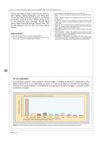
The document corrects a mistake by stating that pimecrolimus, not tacrolimus, is the drug that concentrates in the skin.
July 1999 in “Journal of the American Academy of Dermatology” 1 citations
,
January 2024 in “Pharmaceuticals” A new carrier improves skin delivery of tofacitinib for treating inflammatory skin diseases.
January 2011 in “Journal of Tissue Engineering and Reconstructive Surgery” Using dermal papillae cells and keratinocytes in skin substitutes speeds up healing and helps form hair follicles and glands.
1 citations
,
January 2016 PRP is a promising non-surgical option for skin and hair rejuvenation.
24 citations
,
December 2013 in “Archives of Dermatological Research” 11 citations
,
January 2024 in “Regenerative Biomaterials” A new 3D-printed hydrogel scaffold helps regenerate corneas and prevent scarring.
16 citations
,
September 2006 in “Journal of Cutaneous Pathology” P63 is a marker for epidermal stem cells in rats.
January 1980 in “Lluc: revista de cultura i d'idees” Agaricus bisporus β-Glucan particles could effectively treat cervical cancer and offer antimicrobial and antioxidant benefits.