Search
for
Sort by
Research
90-120 / 1000+ results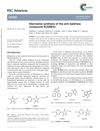
research Alternative synthesis of the anti-baldness compound RU58841
A new, less toxic and more efficient method to create the anti-baldness compound RU58841 was developed in 2014.
research The Influence of Herbal Tea Ingredients on Hair Condition: A Critical Review
The herbal tea blend may improve hair health and overall well-being, but more research is needed.
research 1P-230: Synthesis and in vitro characterization of 68 Ga labeled Fe 3 O 4 nanoparticles for drug delivery
The nanoparticles show promise for cancer treatment and diagnosis with fewer side effects.
research Uptake of sulfur-35 in human hair.
Sulfur-35 can be used to track hair growth and past exposure.

research Vitamin E TPGS based transferosomes augmented TAT as a promising delivery system for improved transdermal delivery of raloxifene
The new delivery system improved raloxifene's skin absorption and effectiveness against cancer cells.
research THE APPLICATION OF PARTITION CHROMATOGRAPHY TO THE SEPARATION OF RARE EARTH ELEMENTS
PCOS causes hormonal imbalances and health issues like infertility and heart disease.
research Repurposing Auranofin for Oncology and Beyond: A Brief Overview of Clinical Trials as Mono- and Combination Therapy
Auranofin shows promise as a cancer treatment, especially when combined with other therapies.
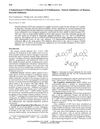
research 2-Substituted 4-(Thio)chromenone 6-O-Sulfamates: Potent Inhibitors of Human Steroid Sulfatase
New compounds were made that block an enzyme linked to breast cancer better than existing treatments.
research Pediatric Clinical Trial Program in Progress: A Phase 3 Study and Long-term Extension Study to Evaluate the Efficacy and Safety of Ritlecitinib in Children 6 to <12 years of Age With Severe Alopecia Areata
Ritlecitinib is being tested for safety and effectiveness in young children with severe alopecia areata.
research Spurenelementkonzentration im Haar bei Patienten mit Schilddrüsenerkrankungen
Trace element levels in hair differ in people with thyroid diseases.

research Effects of High-dose Radioactive Iodine Therapy on Hormonal Profiles and Sperm Quality in Thyroidectomy Patients
High-dose radioactive iodine therapy does not harm fertility in thyroidectomy patients.
research Real-World Ritlecitinib Treatment of Severe Alopecia Areata in the United States: Patient Characteristics and Physician Satisfaction According to a Secondary Database Analysis
Ritlecitinib improves hair growth and quality of life in severe alopecia areata with longer use.
research PIGMENTATION AND HAIR GROWTH IN BLACK RATS, AS MODIFIED BY THE CHRONIC ADMINISTRATION OF THIOUREA, PHENYL THIOUREA AND ALPHA-NAPHTHYL THIOUREA1
Thiourea compounds affect hair growth and pigmentation in black rats.
research The Efficacy and Safety of Making Rat Hypothyroidism Model through Intramuscular Injection of 131Iodine
Intramuscular injection of 131I is a safe and effective way to induce hypothyroidism in rats without harming muscle tissue.

research Targeted radionuclide therapy for head and neck squamous cell carcinoma: a review
Targeted radionuclide therapy shows promise for improving head and neck cancer treatment but needs more research.
research Excretion of technetium in human milk
research An isotope dilution-liquid chromatography-tandem mass spectrometry-based candidate reference measurement procedure for the quantification of 5-alpha-dihydrotestosterone in human serum and plasma
The procedure accurately measures 5-alpha-dihydrotestosterone in blood, useful for standard tests.
research Evaluation of permissible level of soluble I-131 containing fission products for design of protective measures in livestock industry
Cows can safely graze after a nuclear incident if iodine exposure is managed, as doses below 30 Gy don't harm them long-term.
research Safety Assessment of Ritlecitinib Based on the FDA Adverse Event Reporting System (FAERS) Database: A Real‐World Pharmacovigilance Study
Ritlecitinib has common side effects like headache and acne, and unexpected ones like diabetes and thyroid issues.
research ▼ Strontium ranelate discontinued
Strontium ranelate is no longer available for treatment.

research Groundnut seed production manual.
Arsenic trioxide effectively treats APL, improving survival rates despite its toxicity.
research Arsenic Trioxide as Effective Therapy for Relapsed Acute Promyelocytic Leukemia
Arsenic trioxide effectively treats relapsed acute promyelocytic leukemia with manageable side effects.
research Carbobenzoxy-capped Phe-Lys(BODIPY TMR-X-acyloxymethyl ketone(QSY7)
Near-infrared probes can safely and effectively image cysteine protease activity for disease diagnosis.
research Profile analysis of adverse events after boron neutron capture therapy for head and neck cancer: a sub-analysis of the JHN002 study
Boron neutron capture therapy for head and neck cancer can cause side effects like mouth sores and skin irritation, which vary depending on where the treatment is aimed.
research Synthesis and biological activity of raltitrexed-carrier conjugates.
Raltitrexed conjugates are less potent than the free drug but more effective at high concentrations.
research [Changes in trace elements (zinc, copper and manganese) in the hair before and after severe fractures by proton-induced X-ray emission spectrometry (PIXE)].
research Radiologie Aspects of Thallium Poisoning
Thallium poisoning can be identified through radiological signs and treated effectively with B.A.L.

research RANK as a therapeutic target in cancer
RANK is a key target in breast cancer treatment due to its role in tumor growth and bone metastasis.
research Cutaneous Lesions in the Rat Following Administration of an Irreversible Inhibitor of erbB Receptors, Including the Epidermal Growth Factor Receptor
CI-1033 causes skin lesions in rats, similar to humans, due to EGF receptor inhibition.