June 2025 in “British Journal of Dermatology” Tofacitinib is more effective than methotrexate for treating moderate-to-severe alopecia areata.
September 2025 in “Annals of African Medicine”  4 citations
,
January 2024 in “JEADV. Journal of the European Academy of Dermatology and Venereology/Journal of the European Academy of Dermatology and Venereology”
4 citations
,
January 2024 in “JEADV. Journal of the European Academy of Dermatology and Venereology/Journal of the European Academy of Dermatology and Venereology” Baricitinib and ritlecitinib are recommended for severe alopecia areata, with other treatments available off-label.
1 citations
,
May 2026 in “Journal of Dermatological Treatment” JAK1 inhibitor may effectively treat alopecia areata when TNF-α inhibitors and corticosteroids fail.
 October 2011 in “Journal of dermatology”
 A man with a rare skin condition and a new gene mutation developed high calcium levels due to his treatment.
22 citations
,
November 2002 in “Clinical journal of oncology nursing” Arsenic trioxide effectively treats relapsed acute promyelocytic leukemia with manageable side effects.
1 citations
,
January 2024 in “ACS Medicinal Chemistry Letters” TYK2 inhibitors show promise for treating cancer and autoimmune disorders.
 15 citations
,
April 2011 in “Pediatric Nephrology”
15 citations
,
April 2011 in “Pediatric Nephrology” New treatments for lupus show promise, but more research is needed, especially for children.
 September 2019 in “Journal of Investigative Dermatology”
 Targeted therapy with Ustekinumab significantly improved a skin condition called ILVEN, which is caused by mutations in the CARD14 gene.
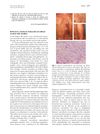
June 2014 in “Dermatology Times E-News” An arthritis drug helped a person with severe hair loss regrow their hair.
 7 citations
,
June 2010 in “Journal of The American Academy of Dermatology”
7 citations
,
June 2010 in “Journal of The American Academy of Dermatology” Tranilast successfully treated a man's skin sarcoidosis when other treatments failed.
October 2024 in “The American Journal of Gastroenterology” Upadacitinib improved both Crohn's ileitis and alopecia universalis in a patient.
 11 citations
,
January 2018 in “Acta dermato-venereologica”
11 citations
,
January 2018 in “Acta dermato-venereologica” Tofacitinib works better and is more tolerable for severe alopecia than conventional treatments and DPCP immunotherapy.
 13 citations
,
December 2017 in “Archives of Medical Sciences”
13 citations
,
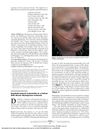
December 2017 in “Archives of Medical Sciences” Rivaroxaban can cause liver injury, allergic reactions, blood vessel inflammation, and hair loss, but these side effects are rare.
 9 citations
,
May 2013 in “JAMA Dermatology”
9 citations
,
May 2013 in “JAMA Dermatology” A woman's hair turned white after taking a cancer drug called dasatinib.
 3 citations
,
February 2024 in “Journal of the American Academy of Dermatology”
3 citations
,
February 2024 in “Journal of the American Academy of Dermatology” Topical tofacitinib cream may help treat certain hair loss conditions with fewer risks.
 44 citations
,
August 1996 in “Drugs & Aging”
44 citations
,
August 1996 in “Drugs & Aging” Mitoxantrone is effective for treating acute leukemia, especially in older patients, with a lower risk of heart damage.
 38 citations
,
June 2005 in “Matrix Biology”
38 citations
,
June 2005 in “Matrix Biology” Minoxidil affects collagen-related genes, potentially helping treat fibrosis.
January 2018 in “대한피부과학회지” Stopping erlotinib improved severe hair loss and skin issues in a patient.
February 2023 in “Reactions Weekly” December 2025 in “Drug Design Development and Therapy” Anlotinib combined with taxane/capecitabine is more effective than bevacizumab for treating HER-2 negative metastatic breast cancer.
July 2025 in “Journal of the European Academy of Dermatology and Venereology”  35 citations
,
October 2015 in “International Journal of Pharmaceutics”
35 citations
,
October 2015 in “International Journal of Pharmaceutics” Tiny particles carrying roxithromycin can effectively target and deliver the drug to hair follicles without irritation.
 49 citations
,
October 1994 in “Annals of Oncology”
49 citations
,
October 1994 in “Annals of Oncology” Minoxidil not effective in preventing chemotherapy-induced hair loss.
 1 citations
,
May 2017 in “Journal of the American Academy of Dermatology”
1 citations
,
May 2017 in “Journal of the American Academy of Dermatology” Oral tofacitinib may be an effective and tolerable treatment for some people with severe alopecia areata.
2 citations
,
February 2025 in “Archives of Dermatological Research” Baricitinib is a safe and effective alternative for alopecia areata patients who do not respond to tofacitinib.
 3 citations
,
July 2020 in “Frontiers in Cell and Developmental Biology”
3 citations
,
July 2020 in “Frontiers in Cell and Developmental Biology” Vitexin Compound 1 may help reduce skin aging caused by UVA light.
 5 citations
,
February 2019 in “bioRxiv (Cold Spring Harbor Laboratory)”
5 citations
,
February 2019 in “bioRxiv (Cold Spring Harbor Laboratory)” Rapamycin may help treat Leigh syndrome by targeting protein kinase C.
 March 2020 in “Section 5: Patient safety and quality assurance”
 Tofacitinib and baricitinib had an acceptable level of side effects in rheumatoid arthritis patients.
 20 citations
,
March 2019 in “Nutrients”
20 citations
,
March 2019 in “Nutrients” Rumex japonicus Houtt. may be an effective treatment for atopic dermatitis by reducing inflammation.