10 citations
,
March 2022 in “Healthcare” Mineralocorticoid receptor antagonist therapy does not significantly reduce mortality in COVID-19 patients.
November 2024 in “SKIN The Journal of Cutaneous Medicine” Baricitinib slightly increased cholesterol levels in alopecia areata patients, but these changes were manageable.
12 citations
,
April 2023 in “Pharmaceutics” Semifluorinated alkanes are promising for delivering drugs in various medical applications.
 18 citations
,
February 2012 in “Experimental Dermatology”
18 citations
,
February 2012 in “Experimental Dermatology” No link found between specific genes and female pattern hair loss.
November 2024 in “SKIN The Journal of Cutaneous Medicine” Ritlecitinib effectively reduces severe hair loss in alopecia areata over 24 months.
22 citations
,
May 2011 in “European Journal of Cancer” The drug combination was safe and showed promise in treating advanced tumors.
 137 citations
,
March 2006 in “Cns Drug Reviews”
137 citations
,
March 2006 in “Cns Drug Reviews” Finasteride treats enlarged prostate and hair loss, but may cause side effects in some patients.
15 citations
,
May 2009 in “Steroids” Certain compounds reduced hamster flank organ size by inhibiting 5α-reductase, like finasteride, without affecting androgen receptors.
Some drugs can reduce male semen quality.
 November 2015 in “Clin-Alert”
 Some medications and supplements can cause serious side effects, including hair loss, heart rhythm problems, liver injury, and other health issues.
November 2025 in “SKIN The Journal of Cutaneous Medicine” Ritlecitinib is generally safe for adolescents with alopecia areata over 5 years.
 20 citations
,
March 2023 in “American Journal of Clinical Dermatology”
20 citations
,
March 2023 in “American Journal of Clinical Dermatology” Baricitinib improved severe hair loss in adults over 52 weeks and was safe to use.
8 citations
,
July 2024 in “Journal of Advanced Research” CDK inhibitors may help treat ARDS and psoriasis but need more testing for safety and effectiveness.
 3 citations
,
February 2022 in “Rheumatology”
3 citations
,
February 2022 in “Rheumatology” Baricitinib was effective in treating a patient with dermatomyositis and hair loss.
3 citations
,
June 2024 in “Pharmacia” New isatin-gallate hybrids show promise as antioxidants, cancer treatments, and coronavirus inhibitors.
October 2025 in “Benha Veterinary Medical Journal” Safflower is the most effective in protecting against liver and kidney damage, followed by silymarin and dandelion.
September 2004 in “Inpharma Weekly” February 2025 in “Iranian journal of pharmaceutical research”  15 citations
,
March 1997 in “International Journal of Dermatology”
15 citations
,
March 1997 in “International Journal of Dermatology” Finasteride shows promise for treating hair loss and excessive hair growth, but more research is needed to confirm its effectiveness and safety.
26 citations
,
October 2019 in “JNCI Cancer Spectrum” Talazoparib is more effective than standard chemotherapy for advanced breast cancer with BRCA mutations.
8 citations
,
May 2025 in “Pharmaceuticals” In 2024, the FDA approved 27 innovative small-molecule drugs, with many offering significant treatment improvements.
June 2025 in “British Journal of Dermatology” Ritlecitinib may cause serious side effects like blood clots in alopecia areata patients.
 5 citations
,
August 2018 in “Sexual Medicine Reviews”
5 citations
,
August 2018 in “Sexual Medicine Reviews” 5α-Reductase inhibitors do not consistently increase testosterone levels in the blood.
May 2024 in “News Digital Object Group”  June 2021 in “EBioMedicine”
 The authors maintain that shorter androgen receptor alleles may lead to milder COVID-19 by positively affecting the immune response, not due to changes in testosterone levels or activity.
August 2023 in “Frontiers in Oncology” New drugs and therapies targeting specific pathways show promise in treating advanced prostate cancer.
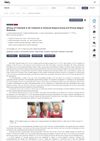
Tofacitinib may effectively treat hair loss and improve symptoms in autoimmune conditions like alopecia areata and Sjögren's syndrome, but long-term treatment might be necessary.
18 citations
,
August 2020 in “bioRxiv (Cold Spring Harbor Laboratory)” Two existing drugs may help treat COVID-19 by inhibiting a key viral protein.
 February 2026 in “Molecules”
 BBR-SA nanomedicine is a safe and effective treatment for breast cancer.
 October 2021 in “International journal of basic and clinical pharmacology”
 Excessive eyelash growth from erlotinib may indicate positive tumor response and help treat madarosis.