43 citations
,
April 2010 in “Clinical genetics” Truncating mutations in the C2orf37 gene cause Woodhouse–Sakati syndrome.
 31 citations
,
January 2014 in “Journal of endocrinological investigation”
31 citations
,
January 2014 in “Journal of endocrinological investigation” Woodhouse-Sakati syndrome often causes sexual development issues, hair loss, learning disabilities, deafness, muscle contractions, limb pain, and diabetes.
10 citations
,
September 2021 in “American Journal of Medical Genetics Part A” Woodhouse-Sakati syndrome shows varied symptoms, including hair loss and diabetes, and is common in Qatar due to a specific genetic variant.
 7 citations
,
January 2015 in “Case reports in genetics”
7 citations
,
January 2015 in “Case reports in genetics” Using SNP array testing helped quickly find the gene causing Woodhouse-Sakati syndrome in two related individuals.
 5 citations
,
November 2021 in “Saudi medical journal”
5 citations
,
November 2021 in “Saudi medical journal” The document reports three sisters with Woodhouse-Sakati syndrome showing typical symptoms and unusual gynecological anomalies.
4 citations
,
December 2021 in “Journal of clinical laboratory analysis” A new mutation in the DCAF17 gene was found to cause Woodhouse-Sakati syndrome in a large family.
 3 citations
,
December 2021 in “Frontiers in endocrinology”
3 citations
,
December 2021 in “Frontiers in endocrinology” A new mutation in the DCAF17 gene was found in a Chinese family, causing Woodhouse-Sakati syndrome and diabetes.
1 citations
,
July 2024 in “JCEM Case Reports” A new genetic variant of Woodhouse-Sakati syndrome was found in two adult sisters in Russia.
1 citations
,
September 2021 in “Frontiers in genetics” A genetic mutation in the DCAF17 gene caused Woodhouse-Sakati syndrome in a Chinese patient from a related family.
 1 citations
,
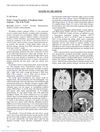
August 2021 in “Canadian journal of neurological sciences”
1 citations
,
August 2021 in “Canadian journal of neurological sciences” Woodhouse-Sakati syndrome can cause writer's cramp and other varied symptoms, highlighting the importance of genetic testing for diagnosis.
A rare genetic mutation causes Woodhouse-Sakati syndrome symptoms.
 July 2024 in “Journal of Rare Diseases”
 Woodhouse-Sakati syndrome shows varied symptoms and genetic differences within families.
 July 2021 in “Scholars Journal of Medical Case Reports”
 Woodhouse-Sakati Syndrome can include unique symptoms like liver issues and low growth hormone.
14 citations
,
March 2018 in “The American journal of case reports” People with the same genetic mutation for Woodhouse-Sakati syndrome can have different symptoms.
46 citations
,
November 1963 in “Journal of Histochemistry & Cytochemistry” Arginine converts to citrulline in hair follicles as proteins harden.
 14 citations
,
March 2014 in “Journal of The American Academy of Dermatology”
14 citations
,
March 2014 in “Journal of The American Academy of Dermatology” Symmetrical Acrokeratoderma (SAK) may be a unique skin condition in China, lacking specific treatment and needing long-term monitoring.
 3 citations
,
January 2003 in “Synthetic Communications”
3 citations
,
January 2003 in “Synthetic Communications” Scientists made two new chemicals that might help treat diseases caused by male hormones.
 September 2016 in “Journal of Dermatological Science”
 Both SMS1 and SMS2 are crucial for normal hair growth and cycle in mice.
 August 2022 in “Frontiers in genetics”
 A new genetic change in the DSC3 gene is linked to a rare condition causing hair loss and skin blisters in a child.
 March 2017 in “International journal of basic and clinical pharmacology”
 Skin reactions to drugs are most often rashes caused by antibiotics, with nevirapine being the most common culprit; knowing these patterns can improve treatment and outcomes.
 November 1994 in “The Journal of Dermatologic Surgery and Oncology”
 Thousand-graft hair transplants offer better coverage and look more natural but have concerns about graft survival and cosmetic risks.
Alopecia areata is more common in males, often appears as patchy hair loss, and is strongly linked to anemia.
82 citations
,
September 2020 in “Briefings in Bioinformatics” SARS-CoV-2 may worsen IPF due to shared genes and pathways, suggesting potential drug targets.
34 citations
,
September 2019 in “ACS Biomaterials Science & Engineering” Probiotic nanoscaffolds significantly improved burn healing and infection control in mice.
25 citations
,
May 2019 in “Biologics” Dupilumab can cause rare side effects like a rash on the face and neck.
 23 citations
,
August 2019 in “Proceedings of the National Academy of Sciences of the United States of America”
23 citations
,
August 2019 in “Proceedings of the National Academy of Sciences of the United States of America” Pollution exposure speeds up hair damage.
21 citations
,
September 2019 in “Journal of the American Academy of Dermatology” Ixekizumab effectively treats generalized pustular psoriasis.
14 citations
,
September 2023 in “Frontiers in Nutrition” Pro-, pre-, and synbiotics may help with PCOS, but more research is needed.
 14 citations
,
August 2019 in “BioMed Research International”
14 citations
,
August 2019 in “BioMed Research International” Belly fat is the main predictor of nonalcoholic fatty liver disease in both women with Polycystic ovary syndrome and healthy women.
 14 citations
,
January 2016 in “Elsevier eBooks”
14 citations
,
January 2016 in “Elsevier eBooks” Liposomes improve the delivery and effectiveness of cosmetic ingredients but face challenges like cost and stability.