 3 citations
,
March 2020 in “International Journal of Dermatology”
3 citations
,
March 2020 in “International Journal of Dermatology” Tildrakizumab showed limited effectiveness in treating chronic alopecia areata in a small group of patients.
 2 citations
,
January 2023 in “Dermatology Practical & Conceptual”
2 citations
,
January 2023 in “Dermatology Practical & Conceptual” AB+ blood group is more common in alopecia areata patients.
 2 citations
,
August 2020 in “Journal of Cosmetic Dermatology”
2 citations
,
August 2020 in “Journal of Cosmetic Dermatology” Higher granulysin levels in the blood are linked to more severe hair loss in alopecia areata patients, and these levels decrease after effective treatment.
 2 citations
,
December 2018 in “Journal of cosmetic dermatology”
2 citations
,
December 2018 in “Journal of cosmetic dermatology” Higher CRBP1 levels are linked to more severe alopecia areata.
 2 citations
,
October 2000
2 citations
,
October 2000 The investigation found no work-related causes for employee hair loss at Equifax Payment Services, and the environment was not hazardous.
 2 citations
,
June 2023 in “Skin Research and Technology”
2 citations
,
June 2023 in “Skin Research and Technology” Yellow dots and short vellus hairs are the most common signs of Alopecia Areata (AA), and trichoscopy can help diagnose AA and track treatment progress.
 2 citations
,
September 2021 in “JAAD case reports”
2 citations
,
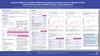
September 2021 in “JAAD case reports” Dupilumab helped a woman with severe hair loss regrow her hair quickly and maintain it for six months after stopping treatment.
 1 citations
,
July 2025 in “SKIN The Journal of Cutaneous Medicine”
1 citations
,
July 2025 in “SKIN The Journal of Cutaneous Medicine” Ritlecitinib is effective and safe for long-term treatment of alopecia areata.
1 citations
,
April 2025 in “Journal of Clinical Medicine” Hair loss in alopecia areata can negatively affect sexual quality of life.
 1 citations
,
January 2019 in “Elsevier eBooks”
1 citations
,
January 2019 in “Elsevier eBooks” New scaffold materials help heal severe skin wounds and improve skin regeneration.
 1 citations
,
May 2017 in “Journal of The American Academy of Dermatology”
1 citations
,
May 2017 in “Journal of The American Academy of Dermatology” People with alopecia areata often have lower vitamin D levels than healthy people.
 1 citations
,
January 2016 in “Elsevier eBooks”
1 citations
,
January 2016 in “Elsevier eBooks” The document concludes that a complete skin restoration biomaterial does not yet exist, and more clinical trials are needed to ensure these therapies are safe and effective.
1 citations
,
April 2025 in “Experimental Dermatology” Topical ruxolitinib may help some skin conditions but needs more research for alopecia areata.
 1 citations
,
July 2018 in “Journal of Pakistan Association of Dermatology”
1 citations
,
July 2018 in “Journal of Pakistan Association of Dermatology” Microneedling with PRP is a safe and effective way to treat chronic alopecia areata, improving hair regrowth with minimal side effects.
STS01 1% effectively promotes hair regrowth with minimal side effects.
 March 2026 in “American Journal of Clinical Dermatology”
 Ritlecitinib is effective and safe for long-term use in treating severe alopecia areata in people aged 12 and older.
 March 2026 in “Clinical Cosmetic and Investigational Dermatology”
 Rituximab can cause skin issues, but baricitinib may help improve them.
December 2025 in “International Journal of Molecular Sciences” Exosome-based therapies show promise for treating alopecia areata but need more research.
 November 2025 in “Journal of Family Medicine and Primary Care”
 Low-dose minoxidil effectively enhances facial hair with minimal side effects.
 September 2025 in “Journal of Dhaka Medical College”
 Lower vitamin D levels are linked to more severe alopecia areata.

Exosome therapy is the most effective for hair growth, but it's experimental and expensive.
 July 2025 in “Dermatology and Therapy”
 Patients with fewer past treatments for alopecia areata respond better to baricitinib.
 July 2025 in “International Journal of Dermatology Venereology and Leprosy Sciences”
 Higher stress levels may worsen alopecia areata, suggesting stress management is important for treatment.
 January 2025 in “International Journal of Dermatology Venereology and Leprosy Sciences”
 Tofacitinib improved hair regrowth and quality of life in children with alopecia areata, with mild side effects.
 November 2024 in “Applied Sciences”
 Placenta products might help with hair loss, but more research is needed.
 November 2024 in “Health Science Reports”
 Light/laser therapy can effectively increase hair density in some types of alopecia, especially androgenic alopecia and alopecia areata.
 October 2024 in “Frontiers in Nutrition”
 Vitamin D deficiency is common in people with certain types of hair loss, like alopecia areata and female pattern hair loss.
 February 2024 in “The Open dermatology journal”
 Alopecia Areata affects people of all ages worldwide, is likely caused by genetic and environmental factors, and can lead to stress and depression, highlighting the need for treatments that address both physical and mental health.
 December 2023 in “Journal of health and rehabilitation research”
 Oral Apremilast effectively treats alopecia areata in most patients.
 November 2023 in “Global Medical Genetics”
 Netherton syndrome can cause severe dehydration, infections, and growth issues in infants.