 July 2024 in “Dermatology Practical & Conceptual”
 COVID-19-related hair loss may have unique features compared to hair loss from other causes.
 2 citations
,
June 2020 in “Research Square (Research Square)”
2 citations
,
June 2020 in “Research Square (Research Square)” A prostate cancer drug can lower the levels of a protein that the coronavirus uses to enter lung cells.
 11 citations
,
November 2020 in “Movement Disorders Clinical Practice”
11 citations
,
November 2020 in “Movement Disorders Clinical Practice” A man developed neurological issues from SARS-CoV-2 without severe breathing problems, worsening to death.
52 citations
,
January 2021 in “Journal of Thoracic Oncology” Effective vaccines and treatments are crucial for long-term COVID-19 control.

Low-level laser therapy may help uninfected cells but has different effects on coronavirus-infected cells.
55 citations
,
October 2020 in “Frontiers in Pharmacology” Targeting endolysosomes may help treat COVID-19.
55 citations
,
April 2022 in “Frontiers in Immunology” Cholesterol affects coronavirus spread and could be a target for treatment.
 84 citations
,
March 2010 in “Infectious Disease Clinics of North America”
84 citations
,
March 2010 in “Infectious Disease Clinics of North America” The document concludes that rapid identification, isolation, and strict infection control are crucial to manage SARS outbreaks.
January 2022 in “Annals of Institute of Biology University of Sarajevo” Medicinal plants may help treat coronavirus infections by offering promising natural antiviral compounds.
27 citations
,
October 2020 in “Medical Journal of the Islamic Republic of Iran” Elderly people, especially with chronic conditions, are more at risk of severe COVID-19 complications and need preventive care and social support.
 November 2021 in “Research Outreach”
 Low testosterone levels may lead to more severe COVID-19 outcomes.
7 citations
,
March 2023 in “Arabian Journal of Chemistry” Cepharanthine may help treat COVID-19 by targeting multiple pathways.
Finasteride may help reduce COVID-19 infection by altering a key gene.
 7 citations
,
December 2020 in “Endocrine-related Cancer”
7 citations
,
December 2020 in “Endocrine-related Cancer” The over-the-counter supplement DHEA could make COVID-19 worse, especially in diabetics and people with G6PD deficiency.
October 2025 in “Influenza and Other Respiratory Viruses” Certain alkaloids could help create new coronavirus drugs.
 October 2005 in “Nature reviews. Molecular cell biology (Print)”
 Hairless protein is key for hair growth, cell differences cause gene expression variation, and the N-end rule pathway senses nitric oxide for protein breakdown.
 70 citations
,
July 2020 in “Pharmacological Reports”
70 citations
,
July 2020 in “Pharmacological Reports” Cepharanthine, a Japanese hair loss drug, shows promise as a COVID-19 treatment but needs more testing.
 August 2022 in “IARS international research journal”
 The document concludes that drug repurposing, which is reusing known medicines for new illnesses, can provide faster, cheaper treatment options for various serious diseases, including cancer, COVID-19, and rare diseases.
 32 citations
,
March 2021 in “Journal of cosmetic dermatology (Print)”
32 citations
,
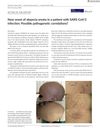
March 2021 in “Journal of cosmetic dermatology (Print)” COVID-19 infection may trigger alopecia areata in some patients.
 82 citations
,
June 2020 in “Inflammation Research”
82 citations
,
June 2020 in “Inflammation Research” Skin problems in COVID-19 patients are rare and may be due to the body's complex immune response or blood clotting issues.
 42 citations
,
November 2004 in “Paediatric Respiratory Reviews”
42 citations
,
November 2004 in “Paediatric Respiratory Reviews” Children generally have milder SARS symptoms than adults, with good outcomes and no deaths reported, but long-term effects are unclear.
 50 citations
,
July 2021 in “Nature Communications”
50 citations
,
July 2021 in “Nature Communications” The drug enzalutamide may reduce the ability of the virus causing COVID-19 to enter lung cells.
 47 citations
,
January 2021 in “Fertility and Sterility”
47 citations
,
January 2021 in “Fertility and Sterility” COVID-19 might affect male fertility, but more research is needed to understand the full impact.
 38 citations
,
September 2021 in “Signal Transduction and Targeted Therapy”
38 citations
,
September 2021 in “Signal Transduction and Targeted Therapy” Genetic differences affect COVID-19 severity and treatment development.
 27 citations
,
November 2021 in “Scientific Reports”
27 citations
,
November 2021 in “Scientific Reports” Men are more affected by COVID-19 due to differences in immune responses and protein expression.
 January 2021 in “International Journal of Dermatology”
 Possible link between COVID-19 and hair loss; more research needed.
 4 citations
,
December 2023 in “Research Review”
4 citations
,
December 2023 in “Research Review” 77% of recovered COVID-19 patients in Nepal experienced long-term symptoms like fatigue, hair loss, and breathing issues.
 3 citations
,
August 2022 in “Curēus”
3 citations
,
August 2022 in “Curēus” The SARS-CoV-2 vaccine may be linked to triggering autoimmune conditions like Alopecia Areata.
 139 citations
,
December 2020 in “Cell Stem Cell”
139 citations
,
December 2020 in “Cell Stem Cell” Male hormones affect COVID-19 severity and certain drugs targeting these hormones could help reduce the risk.
 77 citations
,
July 2020 in “European Journal of Clinical Pharmacology”
77 citations
,
July 2020 in “European Journal of Clinical Pharmacology” Blocking the virus's entry into cells by targeting certain pathways could lead to early COVID-19 treatments.