 1 citations
,
September 2022
1 citations
,
September 2022 Distinguishing drug-induced lupus from systemic lupus is challenging and requires careful monitoring.
 July 2024 in “Dermatology Practical & Conceptual”
 COVID-19-related hair loss may have unique features compared to hair loss from other causes.
April 2023 in “Media Dermato Venereologica Indonesiana” COVID-19 reinfection may trigger alopecia areata.
 4 citations
,
October 2020 in “Research Square (Research Square)”
4 citations
,
October 2020 in “Research Square (Research Square)” Hydroxychloroquine, nitazoxanide, and ivermectin were similarly effective in treating early COVID-19.
55 citations
,
October 2020 in “Frontiers in Pharmacology” Targeting endolysosomes may help treat COVID-19.
Hit15 shows promise as a COVID-19 treatment by reducing virus infection and inflammation.
January 2022 in “Annals of Institute of Biology University of Sarajevo” Medicinal plants may help treat coronavirus infections by offering promising natural antiviral compounds.
 65 citations
,
June 2021 in “Frontiers in Pharmacology”
65 citations
,
June 2021 in “Frontiers in Pharmacology” Targeting abnormal lung fluid metabolism could reduce COVID-19 deaths and ventilator use.
 84 citations
,
March 2010 in “Infectious Disease Clinics of North America”
84 citations
,
March 2010 in “Infectious Disease Clinics of North America” The document concludes that rapid identification, isolation, and strict infection control are crucial to manage SARS outbreaks.
7 citations
,
March 2023 in “Arabian Journal of Chemistry” Cepharanthine may help treat COVID-19 by targeting multiple pathways.
 5 citations
,
April 2020 in “Journal of The American Academy of Dermatology”
5 citations
,
April 2020 in “Journal of The American Academy of Dermatology” Hydroxychloroquine might help prevent COVID-19, but more research is needed.
15 citations
,
July 2022 in “Frontiers in Pharmacology” Cepharanthine may help treat COVID-19 by targeting similar pathways as other inflammatory diseases.
 January 2021 in “International Journal of Dermatology”
 Possible link between COVID-19 and hair loss; more research needed.
 50 citations
,
July 2021 in “Nature Communications”
50 citations
,
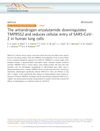
July 2021 in “Nature Communications” The drug enzalutamide may reduce the ability of the virus causing COVID-19 to enter lung cells.
 47 citations
,
January 2021 in “Fertility and Sterility”
47 citations
,
January 2021 in “Fertility and Sterility” COVID-19 might affect male fertility, but more research is needed to understand the full impact.
 139 citations
,
December 2020 in “Cell Stem Cell”
139 citations
,
December 2020 in “Cell Stem Cell” Male hormones affect COVID-19 severity and certain drugs targeting these hormones could help reduce the risk.
 82 citations
,
June 2020 in “Inflammation Research”
82 citations
,
June 2020 in “Inflammation Research” Skin problems in COVID-19 patients are rare and may be due to the body's complex immune response or blood clotting issues.
 46 citations
,
August 2022 in “Journal of Endocrinological Investigation”
46 citations
,
August 2022 in “Journal of Endocrinological Investigation” COVID-19 temporarily affects male reproductive health, but sperm and testosterone levels generally return to normal after three months.
 April 2026 in “Research Square”
 COVID-19 can harm male fertility by reducing sperm stem cells and damaging testicular function.
 8 citations
,
October 2021 in “bioRxiv (Cold Spring Harbor Laboratory)”
8 citations
,
October 2021 in “bioRxiv (Cold Spring Harbor Laboratory)” Healthcare workers with a positive COVID-19 test were more likely to report long-COVID symptoms.
 5 citations
,
December 2021 in “Physiological Research”
5 citations
,
December 2021 in “Physiological Research” Men, particularly those with hair loss, are more likely to get the virus, and those with prostate cancer may have milder symptoms. Testosterone's role in the disease is unclear, and the virus doesn't seem to harm male fertility. Women with PCOS might be at higher risk. More research is needed.
 44 citations
,
February 2021 in “Scientific Reports”
44 citations
,
February 2021 in “Scientific Reports” Mutations in the spike protein affect drug binding and effectiveness.
 27 citations
,
November 2021 in “Scientific Reports”
27 citations
,
November 2021 in “Scientific Reports” Men are more affected by COVID-19 due to differences in immune responses and protein expression.
 198 citations
,
April 2020 in “Journal of Endocrinological Investigation”
198 citations
,
April 2020 in “Journal of Endocrinological Investigation” The virus was not found in the semen and urine of a man who tested positive for COVID-19.
 21 citations
,
January 2021 in “Journal of infection and chemotherapy”
21 citations
,
January 2021 in “Journal of infection and chemotherapy” Men, diabetes, and high inflammation levels lead to higher COVID-19 antibodies.
 1 citations
,
January 2022 in “PLoS Pathogens”
1 citations
,
January 2022 in “PLoS Pathogens” A new method using human lung cells helps find drugs to block and reduce inflammation from SARS-CoV-2.
 100 citations
,
November 2021 in “Cell Research”
100 citations
,
November 2021 in “Cell Research” Cepharanthine and Trifluoperazine are effective against SARS-CoV-2.
 1 citations
,
September 2022 in “Sudan Journal of Medical Sciences”
1 citations
,
September 2022 in “Sudan Journal of Medical Sciences” Danoprevir, remdesivir, and saridegib may effectively inhibit SARS-CoV-2.
 121 citations
,
November 2020 in “Endocrine”
121 citations
,
November 2020 in “Endocrine” Male hormones like testosterone may make COVID-19 worse, and testing for sensitivity to these hormones could help predict how severe a patient's symptoms might be. Treatments that reduce these hormones are being explored.
Cepharanthine and tetrandrine show promise as COVID-19 drugs.