 August 2023 in “Journal of Investigative Dermatology”
 Different body areas have unique skin cell communication patterns, explaining why certain skin diseases occur in specific regions.
 January 2020 in “Przegla̧d dermatologiczny”
 The conclusion is that hirsutism in women can be managed with hair removal techniques, medications, and topical treatments.
 17 citations
,
May 2003 in “Journal of The American Academy of Dermatology”
17 citations
,
May 2003 in “Journal of The American Academy of Dermatology” Hair from balding and non-balding areas regrows similarly on mice.
Dutasteride can stabilize hair loss in patients with frontal fibrosing alopecia, but its safety in women is unclear, so use it with caution.
3 citations
,
November 2021 in “Clinical, Cosmetic and Investigational Dermatology” Autologous cellular micrografts improve hair density and thickness in the short term for androgenetic alopecia.
 September 2025 in “Modern medical technology”
 FUE with DHI effectively restores natural hair growth in difficult scalp areas.
March 2026 in “Journal of the European Academy of Dermatology and Venereology” VESALT improves alopecia areata assessment by including non-scalp areas and is reliable and user-friendly.
July 2026 in “bioRxiv (Cold Spring Harbor Laboratory)” Proteomic signatures can identify if hair is from the scalp or pubic area.
 28 citations
,
May 1998 in “Skin Research and Technology”
28 citations
,
May 1998 in “Skin Research and Technology” Scalp flaps are stiffer than skin from other body areas, which helps in planning reconstructive and cosmetic head surgeries.
September 2003 in “International Society of Hair Restoration Surgery” Transplanted hair keeps growing like it did in the donor area.
 6 citations
,
December 2014 in “Clinical and Experimental Dermatology”
6 citations
,
December 2014 in “Clinical and Experimental Dermatology” Hair density and thickness decrease in all scalp areas for East Asians with AGA.
24 citations
,
May 2000 in “Journal of the American Academy of Dermatology” Pseudopelade can affect both the scalp and beard, causing hair loss.
 60 citations
,
October 2009 in “Dermatology”
60 citations
,
October 2009 in “Dermatology” Alopecia areata may appear differently depending on the individual's type of hair loss and scalp condition.
 December 2024 in “IntechOpen eBooks”
 Trichoscopy helps diagnose and track alopecia areata by examining specific hair and scalp markers.
 April 2024 in “Journal of cosmetic dermatology”
 Minoxidil is less effective on eyebrows and eyelashes than scalp hair because these areas have lower enzyme activity needed to activate the drug.
 April 2001 in “Dermatologic Surgery”
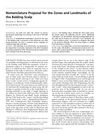
 Michael L. Beehner proposed a standardized naming system for balding scalp areas to help hair restoration surgery.
 89 citations
,
March 2018 in “The Journal of Dermatology”
89 citations
,
March 2018 in “The Journal of Dermatology” Trichoscopy helps diagnose and monitor alopecia areata by looking at a combination of specific hair and scalp features.
 37 citations
,
January 2017 in “International Journal of Dermatology”
37 citations
,
January 2017 in “International Journal of Dermatology” Trichoscopy helps tell apart alopecia areata and trichotillomania in Asians by looking at specific hair and scalp features.
15 citations
,
October 1996 in “Archives of Dermatology” Researchers identified a new hair loss pattern called "sisaipho type," where hair is lost across the scalp except around the edges.
14 citations
,
June 2011 in “Australasian Journal of Dermatology” An 8-year-old boy had both alopecia areata and vitiligo on the same spot on his scalp, which is very rare.
 9 citations
,
September 2009 in “Journal of Cutaneous Medicine and Surgery”
9 citations
,
September 2009 in “Journal of Cutaneous Medicine and Surgery” UV light causes skin color loss in bald areas; wear a cap and use sunscreen.
 3 citations
,
December 2018 in “Journal of Pakistan Association of Dermatology”
3 citations
,
December 2018 in “Journal of Pakistan Association of Dermatology” Alopecia areata mainly affects young people, often showing as patchy hair loss on the scalp.
 January 2025 in “Journal of Rawalpindi Medical College”
 Alopecia Areata affects both genders almost equally, mostly on the scalp, with common signs like yellow dots and exclamation mark hairs, especially in young people.
 September 2024 in “BMJ Case Reports”
 An adult had a rare scalp infection in the forehead area, treated successfully with itraconazole.
 February 2023 in “Journal of vaccines and immunology”
 Alopecia areata causes sudden hair loss, often on the scalp, and can be severe, especially with early onset or related health issues.
 8 citations
,
March 2009 in “Aesthetic Plastic Surgery”
8 citations
,
March 2009 in “Aesthetic Plastic Surgery” The "flying-wings" scalp flap technique is a simple, safe, and effective way to reconstruct large areas of scalp loss in children.
 June 2024 in “Archives of dermatological research”
 Both treatments work, but Minoxidil 0.5% MMP® is better for certain scalp areas and less advanced hair loss.

Scalp micropigmentation usually needs two to three sessions, but factors like genetics, coverage area, and health conditions can require more.
 January 2015 in “Przegla̧d dermatologiczny”
 Intralesional triamcinolone is the most effective treatment for alopecia areata, followed by excimer light therapy, and then topical minoxidil. The scalp responds better to treatment than the beard area.
 January 2009 in “Indian Journal of Plastic Surgery”
 Surgical methods for hair loss due to scarring should be chosen based on the size, location, and shape of the area, with most patients seeing good results.