 1 citations
,
September 2022 in “Anatomía Digital”
1 citations
,
September 2022 in “Anatomía Digital” Neem oil effectively improves skin and coat conditions in cats with dermatophytosis.
 January 2024 in “JAAD case reports”
 Netherton syndrome can cause severe and chronic vulvovaginal symptoms that may improve with continuous oral contraceptives.
 January 2023 in “Pesquisa Veterinária Brasileira”
 A KRT71 mutation in Hereford cattle in Uruguay causes thin, curly hair and scaly skin.
 July 2012 in “Hair transplant forum international”
 Hair transplant improved self-perception in hair loss patients, but some still remained overly focused on their hair appearance.
Most severe COVID-19 patients had hair loss, suggesting a possible link.
 99 citations
,
June 2005 in “Journal of Cosmetic Dermatology”
99 citations
,
June 2005 in “Journal of Cosmetic Dermatology” Hair ages due to genetics and environmental factors, leading to graying and thinning, with treatments available for some conditions.
10 citations
,
June 2019 in “Cosmetics” Mixed-race individuals have hair with varied shapes and more root damage.
 January 2021 in “Journal of Allergy and Therapy”
 Electric Follicle Stimulation may promote hair growth and density with no known side effects.
1 citations
,
October 1996 in “Dermatologic clinics” Adiponectin reduces inflammation and bone loss in joint replacements.
 January 2024 in “Biomedicines”
 Using stem cells from hair follicles to treat female hair loss is safe and effective after six months.
 35 citations
,
January 2013 in “Indian Journal of Dermatology, Venereology and Leprology”
35 citations
,
January 2013 in “Indian Journal of Dermatology, Venereology and Leprology” Intralesional triamcinolone acetonide is effective for treating patchy hair loss, and dermoscopy helps detect treatment response and side effects early.
 33 citations
,
August 1985 in “Archives of Dermatology”
33 citations
,
August 1985 in “Archives of Dermatology” Acquired Progressive Kinking of Hair is likely an early sign of male pattern baldness.
 23 citations
,
November 2018 in “Journal of the European Academy of Dermatology and Venereology”
23 citations
,
November 2018 in “Journal of the European Academy of Dermatology and Venereology” The study concluded that severity of Frontal fibrosing alopecia is not linked to how long someone has it, can start before menopause, and eyebrow loss may be an early sign.
 23 citations
,
June 2015 in “Journal of Tissue Engineering and Regenerative Medicine”
23 citations
,
June 2015 in “Journal of Tissue Engineering and Regenerative Medicine” Wnt1a helps keep cells that can grow hair effective for potential hair loss treatments.
 15 citations
,
November 2012 in “International Journal of Dermatology”
15 citations
,
November 2012 in “International Journal of Dermatology” The conclusion is that hair loss from CCCA may be genetic and not solely caused by hair grooming practices.
15 citations
,
November 2012 in “Archives of Ophthalmology” A deletion in the CDH3 gene causes a rare disorder with short hair and vision loss.
 15 citations
,
January 2011 in “Annals of Dermatology”
15 citations
,
January 2011 in “Annals of Dermatology” The study concluded that neonatal occipital alopecia is common, not caused by physical friction, and usually resolves on its own without treatment.
 13 citations
,
November 1973 in “Archives of Dermatology”
13 citations
,
November 1973 in “Archives of Dermatology” Hair loss may be an early sign of serious illnesses like Hodgkin disease.
13 citations
,
March 2011 in “Acta Paediatrica” Tinea capitis needs systemic treatment to avoid severe outcomes.
 11 citations
,
May 2009 in “Medical Hypotheses”
11 citations
,
May 2009 in “Medical Hypotheses” Male pattern baldness is an unintended side effect of the body's use of androgens for muscle growth, especially in those genetically prone to it.
11 citations
,
October 2007 in “International Journal of Dermatology” Alopecia in Burkina Faso mostly affects young people, often students, with common causes being tinea and alopecia areata.
 6 citations
,
October 2019 in “Case Reports in Dermatology”
6 citations
,
October 2019 in “Case Reports in Dermatology” The document concludes that treatment can improve hair growth and symptoms in Fibrosing Alopecia in a Pattern Distribution.
 6 citations
,
September 2010 in “Archives of Dermatology”
6 citations
,
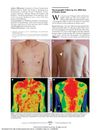
September 2010 in “Archives of Dermatology” Thermography matched the patient's pain levels in a shingles case and might help diagnose shingles without a rash.
 5 citations
,
April 1999 in “PubMed”
5 citations
,
April 1999 in “PubMed” Two drugs, Minoxidil and Finasteride, can modestly maintain or regrow hair on the scalp's vertex with minimal side effects.
 3 citations
,
February 2022 in “Cureus”
3 citations
,
February 2022 in “Cureus” Frontal fibrosing alopecia can sometimes look like syphilitic hair loss.
3 citations
,
January 2016 in “Dermatology online journal” Some people with lichen planus pigmentosus might later develop frontal fibrosing alopecia.
 2 citations
,
October 2016
2 citations
,
October 2016 Chemotherapy and radiotherapy can cause skin side effects like rashes, hair loss, and nail changes, which are usually managed with conservative treatments.
 2 citations
,
June 2022 in “International Journal of Biomedicine”
2 citations
,
June 2022 in “International Journal of Biomedicine” The review suggests a comprehensive approach to treat hirsutism, focusing on hair removal, medication, and managing emotional effects.
 1 citations
,
January 2011
1 citations
,
January 2011 The document concludes that androgenetic alopecia is common, has a genetic link, and can be diagnosed and treated with medications like finasteride and minoxidil.
 1 citations
,
January 2023 in “Skin appendage disorders”
1 citations
,
January 2023 in “Skin appendage disorders” Hair oils can worsen seborrheic dermatitis in black patients.