 1 citations
,
July 2021 in “Curēus”
1 citations
,
July 2021 in “Curēus” A child had a rare case of scarring hair loss with skin disease, which is hard to treat and stressful.
 1 citations
,
July 2018 in “Elsevier eBooks”
1 citations
,
July 2018 in “Elsevier eBooks” Many treatments for hair loss show potential, but more testing is needed to confirm their effectiveness. Only minoxidil for women and minoxidil and finasteride for men are FDA approved.
 1 citations
,
September 2013 in “Mayo Clinic Proceedings”
1 citations
,
September 2013 in “Mayo Clinic Proceedings” A woman's hair loss was treated successfully with iron supplements for her iron deficiency.
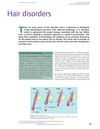 1 citations
,
December 2010 in “InnovAiT”
1 citations
,
December 2010 in “InnovAiT” The document concludes that accurate diagnosis and appropriate management are crucial for treating various hair disorders, which have significant psychological impacts.
 July 2023 in “Dermatology Practical & Conceptual”
 A positive anagen pull test can help detect active Lichen Planopilaris.
 March 2023 in “PARIPEX INDIAN JOURNAL OF RESEARCH”
 Dermoscopy helps diagnose different types of hair loss and may reduce the need for biopsies.
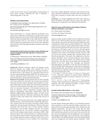
Fractional CO2 laser is more effective and safer than steroid injections for treating alopecia areata.
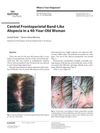 January 2018 in “Skin appendage disorders”
 A woman's hair loss was correctly diagnosed as Lichen planopilaris after initial misdiagnosis, highlighting the usefulness of trichoscopy in diagnosing hair disorders.
 January 2014 in “Journal of the turkish academy of dermatology”
 Hair transplantation is safe and effective for permanent hair loss due to scarring, with high patient satisfaction.
 January 2010 in “Elsevier eBooks”
 Hair transplantation is a treatment for hair loss mainly caused by genetics, with various techniques and potential complications, and results visible after 8-12 months.
 September 1997 in “Journal of The European Academy of Dermatology and Venereology”
 The document concludes that corticosteroids effectively treat vasculitis allergica in over 90% of cases, with long-term kidney issues being the main adverse outcome.
 September 1997 in “Journal of The European Academy of Dermatology and Venereology”
 Skin lymphoproliferative disorders are hard to diagnose and often linked to systemic diseases, but most have a good prognosis with accurate diagnosis.
 August 2013 in “Facial Plastic Surgery Clinics of North America”
 Hair restoration techniques and new cell sources improve hair loss treatments.
 January 2024 in “International Journal of Homoeopathic Sciences”
 Homeopathic treatment might help manage alopecia areata.
 January 2008 in “Springer eBooks”
 Thyroid disease can cause hair loss and treating thyroid problems might help with hair disorders.
 15 citations
,
July 2002 in “Australasian Journal of Dermatology”
15 citations
,
July 2002 in “Australasian Journal of Dermatology” Two plywood factory workers developed contact dermatitis from phenol-formaldehyde resin, a known allergen.
 155 citations
,
June 2009 in “International Journal of Dermatology”
155 citations
,
June 2009 in “International Journal of Dermatology” Lichen planus is a skin condition that can resolve on its own, is linked to hepatitis C, and increases the risk of skin cancer.
 48 citations
,
April 2010 in “Journal of the European Academy of Dermatology and Venereology”
48 citations
,
April 2010 in “Journal of the European Academy of Dermatology and Venereology” Men are more likely to get infectious skin diseases, while women are more prone to autoimmune and pigment-related skin conditions, influenced by biological and environmental factors.
 45 citations
,
January 2010 in “International journal of trichology”
45 citations
,
January 2010 in “International journal of trichology” Topical immunotherapy, especially with DPCP, is effective for treating severe alopecia areata.
 29 citations
,
September 2012 in “Dermatologic Clinics”
29 citations
,
September 2012 in “Dermatologic Clinics” Hair disorders are caused by a complex mix of biology, genetics, hormones, and environmental factors, affecting hair growth and leading to conditions like alopecia.
 27 citations
,
January 2020 in “Experimental Dermatology”
27 citations
,
January 2020 in “Experimental Dermatology” Immune cells affect hair growth and could lead to new hair loss treatments.
 4 citations
,
November 2009 in “Medical Clinics of North America”
4 citations
,
November 2009 in “Medical Clinics of North America” Stress, nutritional issues, and chronic diseases can cause hair loss, and nail changes may signal internal diseases; treatment focuses on the underlying cause.
 4 citations
,
March 2006 in “Archives of Dermatology”
4 citations
,
March 2006 in “Archives of Dermatology” The conclusion is that dermatologists can improve women's skin health but must overcome cultural and economic barriers to do so.
 2 citations
,
May 2025 in “Infection”
2 citations
,
May 2025 in “Infection” Awareness and better treatment of Demodex mites can improve health and quality of life.
 1 citations
,
October 2008 in “Expert Review of Dermatology”
1 citations
,
October 2008 in “Expert Review of Dermatology” Frontal Fibrosing Alopecia is a slowly progressing hair loss condition, likely underdiagnosed, with ineffective treatments, needing more research to understand it fully.
 1 citations
,
May 1965 in “Medical Clinics of North America”
1 citations
,
May 1965 in “Medical Clinics of North America” Hair growth dysfunction involves various conditions with limited treatment options.

Patients with lichen planopilaris have a higher risk of heart disease.
 November 2015 in “European Journal of Inflammation”
 Cicatricial alopecia, a permanent hair loss condition, is mainly caused by damage to specific hair follicle stem cells and abnormal immune responses, with gene regulator PPAR-y and lipid metabolism disorders playing significant roles.
 12 citations
,
February 2013 in “Journal of Cutaneous Pathology”
12 citations
,
February 2013 in “Journal of Cutaneous Pathology” The document concludes that choosing the right biopsy site is crucial for accurate alopecia diagnosis, and combining methods can improve results.
Skin changes throughout life, from development before birth to aging effects like wrinkles, influenced by both genetics and environment.