
Lichen planopilaris and frontal fibrosing alopecia are likely the same disease with different clinical appearances.

New imaging tools help doctors better examine hair and scalp health without surgery.
July 2025 in “Actas Dermo-Sifiliográficas” Trichodynia is a challenging scalp condition to treat, needing gentle care and more research for better solutions.
 129 citations
,
October 2007 in “The New England Journal of Medicine”
129 citations
,
October 2007 in “The New England Journal of Medicine” Over one-third of women experience hair loss, with female-pattern hair loss being most common, and treatments include minoxidil and possibly hair transplantation.
 April 2016 in “Medical Acupuncture”
 The document concludes that hair loss in women is treated with medications, therapies, and surgery in Western medicine, and with acupuncture and herbs in Chinese medicine, but hereditary hair loss is hard to reverse.
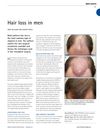 May 2013 in “Trends in Urology & Men's Health”
 Male-pattern hair loss is normal, often involves hormone effects on hair follicles, and can be treated with medication or surgery, but new treatments are being researched.
 December 2015 in “Actas Dermo-Sifiliográficas”
 Hair transplantation for Frontal Fibrosing Alopecia may work if the disease is inactive for 2 years and with ongoing treatment to maintain results.
 6 citations
,
January 2017 in “British Journal of Dermatology”
6 citations
,
January 2017 in “British Journal of Dermatology” Frontal fibrosing alopecia is a scarring hair loss condition mainly affecting older women, with no known cause and treatments that may help stabilize hair loss.
 4 citations
,
May 2004 in “Facial Plastic Surgery Clinics of North America”
4 citations
,
May 2004 in “Facial Plastic Surgery Clinics of North America” Hair transplantation helps women with hair loss; understanding and empathy lead to happy patients.
 1 citations
,
August 2017
1 citations
,
August 2017 Minoxidil helps stimulate hair growth and enlarge small follicles in common hair loss, but doesn't stop it, and its effects can be boosted when combined with finasteride.