 March 2022 in “Wound practice & research”
 New treatments for alopecia areata show promise, but standardized guidelines are needed.
December 2023 in “Journal of Thoracic Disease” Increased EGFR gene variations may predict chemotherapy outcomes in small cell lung cancer patients.
127 citations
,
January 2000 in “Journal of Investigative Dermatology” Cytotoxic T cells cause hair loss in chronic alopecia areata.
 19 citations
,
September 2019 in “EMBO molecular medicine”
19 citations
,
September 2019 in “EMBO molecular medicine” Blocking TSLP reduces skin inflammation and cell overgrowth in psoriasis.
19 citations
,
September 2013 in “Molecular Medicine Reports” Human hair follicle stem cells can become smooth muscle cells using specific growth factors.
11 citations
,
January 2015 in “JOURNAL OF HEALTH SCIENCE” A 12-year-old boy's rare skin condition improved with topical treatments and may resolve by puberty.
 3 citations
,
June 2023 in “Journal of cosmetic dermatology”
3 citations
,
June 2023 in “Journal of cosmetic dermatology” A new drug, abrocitinib, helped a child with severe hair loss regrow hair.
1 citations
,
April 2016 in “Journal of Investigative Dermatology” Targeting specific T cells may help treat alopecia areata.
February 2017 in “Faculty Opinions – Post-Publication Peer Review of the Biomedical Literature” Hair cortisol measurement is a promising, non-invasive tool for monitoring cortisol exposure over time.
 May 2013 in “Reactions Weekly”
 Using minoxidil can cause severe skin reactions in some people.
2 citations
,
November 1992 in “Journal of dermatology” Hair cells grown in a lab showed specific hair proteins.
 23 citations
,
September 2021 in “Frontiers in Cellular and Infection Microbiology”
23 citations
,
September 2021 in “Frontiers in Cellular and Infection Microbiology” Testosterone's effects on COVID-19 are unclear and need more research.
 November 2022 in “Journal of Investigative Dermatology”
 Patients with ichthyosis often experience symptoms similar to psoriasis and atopic dermatitis, suggesting that targeted therapies could improve their condition.
 33 citations
,
September 2012 in “Australasian Journal of Dermatology”
33 citations
,
September 2012 in “Australasian Journal of Dermatology” Chemotherapy can cause hair changes similar to alopecia areata, which might lead to misdiagnosis.
2 citations
,
January 2002 in “PubMed” Proper identification of dermatophytes is crucial for diagnosing and treating infections like athlete's foot and ringworm.
 June 2026 in “International Journal of Homoeopathic Sciences”
 Homeopathic treatment led to significant hair regrowth in a woman with Alopecia totalis.
 March 2026 in “The American Journal of Managed Care”
 JAK inhibitors can help treat alopecia areata but have risks and high costs.
 February 2021 in “Journal of pharmaceutical and biological sciences”
 No cure exists for alopecia areata, and treatments are personalized.
 June 2020 in “The journal of investigative dermatology/Journal of investigative dermatology”
 Topical treatments led to hair regrowth in a man with linear morphea.
 July 2018 in “Elsevier eBooks”
 Discoid Lupus Erythematosus often causes scarring hair loss, is influenced by genetics and environment, and requires early treatment to prevent worsening.
 July 2018 in “Nasza Dermatologia Online”
 Frontal fibrosing alopecia and ulerythema ophryogenes may be related and can evolve from one to the other.
A thorough skin history and examination are essential for diagnosing and treating skin conditions effectively.
 October 2017 in “Journal of The European Academy of Dermatology and Venereology”
 Stem cells preservation in AGA could be a potential therapy, but more cases needed.
 3 citations
,
January 2010 in “Journal of The European Academy of Dermatology and Venereology”
3 citations
,
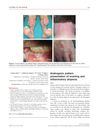
January 2010 in “Journal of The European Academy of Dermatology and Venereology” Many people diagnosed with androgenic alopecia might actually have hidden scarring or inflammation.
 February 2019 in “Case medical research”
 Using lasers to deliver minoxidil can potentially improve its effectiveness in treating male pattern hair loss.
71 citations
,
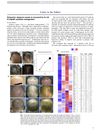
October 2017 in “Journal of Investigative Dermatology” PPAR-γ agonists like pioglitazone may help manage lichen planopilaris but don't fully reverse scarring.
 68 citations
,
November 2015 in “The Journal of Allergy and Clinical Immunology”
68 citations
,
November 2015 in “The Journal of Allergy and Clinical Immunology” Blocking IL-12/IL-23p40 helped reverse severe hair loss in patients.
34 citations
,
June 2020 in “British journal of dermatology/British journal of dermatology, Supplement” Frontal fibrosing alopecia is linked to increased immune system activity and reduced stem cells, suggesting early treatment targeting this pathway might prevent hair follicle damage.
 12 citations
,
January 2021 in “Drugs in R&D”
12 citations
,
January 2021 in “Drugs in R&D” Isotretinoin is effective for treating dissecting cellulitis, but recurrence is common.
 10 citations
,
January 2010 in “Acta Histochemica Et Cytochemica”
10 citations
,
January 2010 in “Acta Histochemica Et Cytochemica” c-kit affects hair growth and color in alopecia areata and androgenetic alopecia.