 September 2023 in “Cureus”
 Dr. SKS Hair Booster Serum effectively treats hair loss in women with PCOS.
 May 2023 in “Aesthetic Plastic Surgery”
 The document concludes that there are various surgical techniques for hair restoration, their success depends on the surgeon's skill, patient's health, and quality of donor hair, and they can potentially improve the mental well-being of those with hair loss.
 March 2023 in “International journal of trichology”
 Six genetic conditions are often linked to complete scalp hair loss in children.
 February 2023 in “Journal of Drugs in Dermatology”
 Melatonin may help improve hair growth in people with certain types of hair loss.
 January 2022 in “Gastro Hep advances”
 Prednisone treatment helped a woman with Cronkhite-Canada syndrome recover from hair loss and digestive issues.
 September 2021 in “Han'gug mi'saengmul saengmyeong gong haghoeji/Han-guk misaengmul saengmyeong gonghak hoeji”
 Tetrathelmis tetrathele extract may help prevent hair loss and improve scalp health.
 May 2021 in “Journal of the Endocrine Society”
 A woman's hair loss and other symptoms were due to a rare hormone deficiency treatable with steroids.
 November 2019 in “Harper's Textbook of Pediatric Dermatology”
 Understanding normal hair growth and loss in children is key to diagnosing and treating hair disorders.

The document concludes that diagnosing female hair loss requires careful examination, with treatments varying by condition and psychological support often necessary.
 July 2019 in “Journal der Deutschen Dermatologischen Gesellschaft”
 A mother and daughter have a rare genetic hair loss disorder with no effective treatment.
 November 2018 in “Springer eBooks”
 The document concludes that specialized hair transplant techniques can be effective, with varying success rates depending on the donor area and patient factors.
 July 2018 in “Elsevier eBooks”
 New hair loss treatments show promise, but more research is needed to confirm their effectiveness.
April 2017 in “The journal of investigative dermatology/Journal of investigative dermatology” Human hair follicles can be used to create heart muscle cells.
 March 2017 in “The American Journal of Cosmetic Surgery”
 Transplanted hair follicles can resist hair loss from an autoimmune condition better than natural hair.
February 2017 in “The journal of allergy and clinical immunology/Journal of allergy and clinical immunology/The journal of allergy and clinical immunology” Immunotherapy helped a 5-year-old boy regrow hair and prevent seasonal alopecia areata.
 January 2017 in “Archives of Aesthetic Plastic Surgery”
 Hair care products with placental growth factor can improve hair thickness and density in postpartum hair loss.
 January 2016 in “Springer eBooks”
 The document concludes that there are various causes and treatments for hair loss, with hair transplantation being a notable option.
 May 2015 in “Journal of The American Academy of Dermatology”
 Some people may temporarily lose more hair in certain areas after a hair transplant.
Androgenetic alopecia causes gradual hair thinning due to genetics and hormones, with treatment options including scalp prostheses.
 January 2015 in “Springer eBooks”
 Understanding hair structure and growth is key for diagnosing hair diseases accurately.
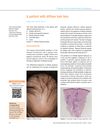 January 2015 in “Indian Dermatology Online Journal”
 The patient's hair loss is most likely due to diffuse alopecia areata.
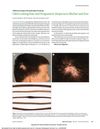 May 2014 in “JAMA Dermatology”
 Mother and son diagnosed with a rare genetic hair loss condition with no effective treatment.
 September 2013 in “中国医师杂志”
 Human scalp hair follicles grow well in Williams E medium, which may help with hair transplants.

Different hair and nail conditions can indicate health issues and have specific treatments; accurate diagnosis is crucial before treatment.
June 2013 in “International Journal of Dermatology” Central lipohypertrophy in HIV-infected women may lead to shorter eyelashes.

A man's scalp hair loss was due to a combined melanocytic nevus and alopecia areata, suggesting a possible link between the two conditions.
 January 2012 in “Human health handbooks”
 Low-level light therapy is FDA-approved for male pattern hair loss, increases hair count and strength, and is considered safe for use.
 January 2012 in “Yearbook of Dermatology and Dermatologic Surgery”
 Some African American women experience central scalp hair loss, often linked to a history of fungal scalp infection.
 March 2009 in “Medical & surgical dermatology”
 Women with androgenetic alopecia have fewer terminal hairs, phenol in nail surgery is safe, and a new hair transplant method is faster and less damaging.
 July 2008 in “Expert Review of Dermatology”
 Proper planning for hair transplants is crucial for natural results, with careful patient selection and strategic graft placement being key factors.