 June 2024 in “British Journal of Dermatology”
 Vitamin B supplements may reverse grey hair.
 June 2024 in “Infection and Drug Resistance”
 An adult woman with scalp infection recovered after antifungal treatment, with no return of symptoms.
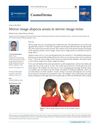
Mirror-image twins can have alopecia areata on opposite sides of their heads.
 February 2024 in “Infection and drug resistance”
 Tinea capitis in a child was caused by a fungus from cats, highlighting the need for accurate diagnosis and treatment.
January 2024 in “Cosmetics” Menopause worsens skin, hair, and nails, affecting self-esteem and quality of life.
October 2023 in “University of Zadar Institutional Repository” Androgenic alopecia is hereditary hair loss treated with medications, therapies, and support.
 October 2023 in “Journal of the Endocrine Society”
 A woman's increased facial hair and hair loss were caused by a rare ovarian tumor, cured by surgery.
 August 2023 in “Indian journal of pediatrics/Indian Journal of Pediatrics”
 Topical treatments helped a child with Down syndrome and severe hair loss regrow most of his hair.
 August 2023 in “International Medical Case Reports Journal”
 Acne necrotica can be effectively treated with topical cream and antibiotics.
 July 2023 in “Deleted Journal”
 Alopecia areata is the most common type of baldness treated with corticosteroids and minoxidil.
 June 2023 in “Drugs & Therapy Perspectives”
 New treatments for male pattern hair loss look promising, but established treatments are still the main option.
 June 2023 in “JAAD Case Reports”
 A man had a rare skin cancer that looked like a bald spot.

Melatonin may protect hair follicle stem cells from damage caused by chemotherapy.
 April 2023 in “Dermatologica Sinica”
 Sex hormones affect hair growth and loss, and treatments for related hair diseases include various medications, hair transplantation, and light therapy.
 January 2023 in “Indian dermatology online journal”
 Skin problems after waxing led to a sarcoidosis diagnosis.
 January 2023 in “International journal of sciences”
 Platelet-Rich Plasma therapy helped significantly in hair recovery for a hair loss condition after infection.
 September 2022 in “JAAD Case Reports”
 COVID-19 may worsen hair loss in people with a certain type of scarring alopecia, but early treatment can help improve symptoms and hair regrowth.
 March 2022 in “Wound practice & research”
 New treatments for alopecia areata show promise, but standardized guidelines are needed.
January 2022 in “International journal of dermatology and venereology” A Chinese man with KID syndrome had a new mutation in the GJB2 gene.
January 2022 in “Clinical Cases in Dermatology” A 12-year-old boy has a rare, harmless hair loss on his chin with no need for treatment.
January 2022 in “Clinical Cases in Dermatology” Scalp psoriasis is hard to treat and may need various medications.
 January 2022 in “Clinical Cases in Dermatology”
 Stress can cause temporary hair loss, which usually gets better after the stress is gone.
 August 2021 in “Clinical and Experimental Dermatology”
 Children under 10 can experience hair thinning without hormone issues, and it may improve with treatment.
 July 2021 in “Research, Society and Development”
 Minoxidil is effective and safe for hair growth in Androgenetic Alopecia, with manageable side effects.
 March 2021 in “Actas Dermo-Sifiliográficas”
 The microbiome may be linked to hair loss and could be a target for new treatments.
September 2020 in “Zenodo (CERN European Organization for Nuclear Research)” Childhood alopecia totalis is hard to treat, with few effective therapies available.
May 2020 in “Lithuanian University of Health Sciences” Alopecia areata is an autoimmune disease causing hair loss, with treatments often ineffective but new options are being researched.
January 2020 in “JAAD case reports” Systemic mastocytosis may cause a type of hair loss called cicatricial alopecia.
January 2020 in “Dermatology Online Journal” A young Caucasian man experienced a rare type of hair loss on the back of his head.
 January 2019 in “Open access journal of mycology & mycological sciences”
 The article concludes that proper antifungal treatment is essential for treating scalp fungal infections in children, and trichoscopy is useful for diagnosis and monitoring.