 2 citations
,
October 2016
2 citations
,
October 2016 Chemotherapy and radiotherapy can cause skin side effects like rashes, hair loss, and nail changes, which are usually managed with conservative treatments.
 1 citations
,
April 2012 in “Informa Healthcare eBooks”
1 citations
,
April 2012 in “Informa Healthcare eBooks” Some medications for inflammation can cause a condition with scalp rashes and hair loss, often linked to Crohn's disease, and may require treatment changes to prevent permanent hair loss.
 6 citations
,
September 2010 in “Archives of Dermatology”
6 citations
,
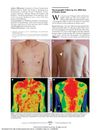
September 2010 in “Archives of Dermatology” Thermography matched the patient's pain levels in a shingles case and might help diagnose shingles without a rash.
The man likely has secondary syphilis affecting his nervous system.
 9 citations
,
April 1987 in “International Journal of Dermatology”
9 citations
,
April 1987 in “International Journal of Dermatology” Stopping the depression medication improved the woman's eyebrow hair loss, and a treatment for a skin condition caused by mites was effective.
43 citations
,
April 2005 in “The Journal of Dermatology” Biotin supplements improved skin and hair in a biotin-deficient infant on amino acid formula.
 February 2018 in “BMJ case reports”
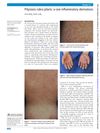
 An 18-year-old woman was diagnosed with a rare skin condition called Pityriasis rubra pilaris.
October 2019 in “Postgraduate Medical Journal” Pellagrous dermatitis, caused by niacin deficiency, can be cured with vitamin supplements.
86 citations
,
November 2020 in “Annals of Oncology” Early intervention and tailored management can reduce skin side effects from cancer treatments.
11 citations
,
July 2024 in “Cancers” Preventing and managing skin issues from cancer treatment is crucial, especially in high UV areas like Australia and New Zealand.
 1 citations
,
January 1997 in “Skin research”
1 citations
,
January 1997 in “Skin research” Hinokitiol and pantothenylethylether in hair products can cause strong allergic reactions.
 July 2023 in “Journal of allergy and clinical Immunology. Global”
 A 10-month-old boy with a rare combination of genetic conditions has severe immune deficiency and treatment challenges.
 January 2017 in “Springer eBooks”
 The document concludes that Cutaneous Lupus Erythematosus has different forms, is influenced by genetic and environmental factors, and can be treated with various medications, but more targeted therapies are needed.
8 citations
,
December 2007 in “Journal of Thoracic Oncology” Erlotinib can cause significant but temporary hair loss in lung cancer patients.
 1 citations
,
April 2018 in “Rheumatology”
1 citations
,
April 2018 in “Rheumatology” Many lupus patients experience hair loss, which is linked to anxiety and other skin issues.
 1 citations
,
July 2016 in “Reactions Weekly”
1 citations
,
July 2016 in “Reactions Weekly” Finasteride can cause itching, burning, and other side effects that may not go away after treatment.
January 2025 in “Global Journal of Medical Therapeutics” Minoxidil can cause allergic skin reactions, especially in those with underlying health issues.
 April 2018 in “Rheumatology”
 Alopecia is common in lupus patients, causing significant anxiety and is linked to the disease itself.

Improved nutrition quickly healed the patient's skin lesions.
15 citations
,
January 2019 in “Breast care” Preventive measures and effective management are crucial for reducing skin side effects in cancer treatment.
November 2022 in “International Journal of Trichology” Finasteride can cause rare but serious skin rashes.
19 citations
,
January 2019 in “JAAD case reports” A medication for skin rash also unexpectedly treated hair loss in a patient.

New cancer drugs can cause skin side effects like rashes, dry skin, hair changes, and nail problems.

Baldness is often hereditary and linked to male hormones, becoming noticeable when half the hair is lost.
 April 1955 in “Archives of pediatrics & adolescent medicine”
 Children's skin diseases need special care and treatment.
7 citations
,
August 1971 in “JAMA” Tinea faciale can be mistaken for lupus due to similar symptoms.
3 citations
,
November 2023 in “Вопросы современной педиатрии” Ustekinumab effectively treated psoriasis and ulcerative colitis in a teen after infliximab caused complications.
 2 citations
,
June 2005 in “Clinical Oncology”
2 citations
,
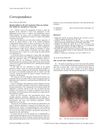
June 2005 in “Clinical Oncology” A man's bald spot grew hair after starting cancer treatment with gefitinib.
 May 2014 in “Clinical and Experimental Dermatology”
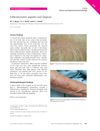
 A 70-year-old woman with a rare skin condition improved after treatment with topical steroids and acitretin.
January 2026 in “Health Science Reports” Personalized hair care can help manage hair-focused repetitive behaviors.