 April 2018 in “Journal of Investigative Dermatology”
 Older mice healed wounds better but lost more weight and might have weaker immune systems afterward.
 1 citations
,
April 2019 in “Journal of Investigative Dermatology”
1 citations
,
April 2019 in “Journal of Investigative Dermatology” Cold atmospheric plasma may speed up wound healing and control infections.
 April 2019 in “Journal of Investigative Dermatology”
 Wnt-signaling is regulated differently in skin cells and immune responses during wound healing.
 April 2019 in “Journal of Investigative Dermatology”
 Combining platelet-rich plasma injections and gel may effectively treat morphea, improving skin elasticity and reducing pain.
 April 2018 in “Journal of Investigative Dermatology”
 The study found that p63 needs signals from morphogens to help skin cells differentiate properly.
 April 2018 in “The journal of investigative dermatology/Journal of investigative dermatology”
 Skin heals with scars because only one type of fibroblast is used, not a mix.
 April 2019 in “Journal of Investigative Dermatology”
 DPP4-positive fibroblasts play a major role in producing proteins that lead to skin fibrosis.
 April 2019 in “Journal of Investigative Dermatology”
 Removing REDD1 in mice increases skin fat by making fat cells larger and more numerous.
 April 2019 in “Journal of Investigative Dermatology”
 New vitamin D3 forms need the vitamin D receptor to reduce fibrosis in human cells.
 April 2019 in “Journal of Investigative Dermatology”
 BRG1 is essential for skin cells to move and heal wounds properly.
 April 2018 in “The journal of investigative dermatology/Journal of investigative dermatology”
 Researchers created a 3D-printed skin model that grew human hair when grafted onto mice by improving blood supply to the grafts.
 April 2018 in “The journal of investigative dermatology/Journal of investigative dermatology”
 Li2CO3 improved skin disease in a mouse model of Focal Dermal Hypoplasia without toxicity.
 65 citations
,
May 2017 in “Advances in wound care”
65 citations
,
May 2017 in “Advances in wound care” Toll-like receptors are important for wound healing, but can slow it down in diabetic wounds.
 19 citations
,
January 2014 in “Facial plastic surgery”
19 citations
,
January 2014 in “Facial plastic surgery” Dermabrasion improves skin appearance by removing the top layer to promote healing.
 12 citations
,
June 2020 in “Dermatology and therapy”
12 citations
,
June 2020 in “Dermatology and therapy” Platelet-Rich Plasma (PRP) can promote new hair growth and increase hair density, but its effectiveness varies depending on the type of hair loss.
 May 2026 in “International Journal of Nanomedicine”
 Nanozymes help heal burn wounds by fighting bacteria, reducing inflammation, and promoting blood vessel growth.
 November 2023 in “International Journal of Medical Case Reports and Reviews”
 PRP shows promise in tissue repair but its effectiveness in otolaryngology is still debated.
 10 citations
,
September 2024 in “Journal of Nanobiotechnology”
10 citations
,
September 2024 in “Journal of Nanobiotechnology” The microneedle patch helps heal infected wounds quickly and without scars.
 8 citations
,
January 2015 in “Journal of Cutaneous Medicine and Surgery”
8 citations
,
January 2015 in “Journal of Cutaneous Medicine and Surgery” Hair restoration techniques have improved but still rely on limited donor hair, with new methods like cloning and gene therapy being explored.
 4 citations
,
August 2018 in “Facial Plastic Surgery Clinics of North America”
4 citations
,
August 2018 in “Facial Plastic Surgery Clinics of North America” Platelet-Rich Plasma (PRP), a protein-rich extract from a patient's blood, shows promise in improving hair density, thickness, and quality, but the best method of use and number of treatments needed for noticeable results are still unclear.
 2 citations
,
August 2011 in “InTech eBooks”
2 citations
,
August 2011 in “InTech eBooks” New methods for growing skin cells can improve skin grafts by building blood vessels within them.
 January 2006 in “Yearbook of Dermatology and Dermatologic Surgery”
 Most studies on perioral dermatitis treatment are of low quality, with some agreement on oral tetracycline effectiveness and stopping steroids and cosmetics.
 33 citations
,
October 2013 in “Journal of The American Academy of Dermatology”
33 citations
,
October 2013 in “Journal of The American Academy of Dermatology” Pioglitazone usually doesn't effectively treat or cure lichen planopilaris.
 3 citations
,
April 2022 in “Cutis”
3 citations
,
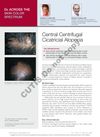
April 2022 in “Cutis” CCCA is a common, scarring hair loss in Black women that needs early detection.
 14 citations
,
February 2020 in “Stem Cells International”
14 citations
,
February 2020 in “Stem Cells International” Umbilical cord cells safely improve healing in long-term nonhealing wounds better than a placebo.
 280 citations
,
July 2018 in “Antioxidants”
280 citations
,
July 2018 in “Antioxidants” Treatments that reduce oxidative stress and fix mitochondrial problems may help heal chronic wounds.
 141 citations
,
August 2017 in “Developmental Dynamics”
141 citations
,
August 2017 in “Developmental Dynamics” The document concludes that a better understanding of cell changes during wound healing could improve treatments for chronic wounds and other conditions.
 136 citations
,
May 2019 in “Cells”
136 citations
,
May 2019 in “Cells” Stem cell therapy, particularly using certain types of cells, shows promise for treating hair loss by stimulating hair growth and development, but more extensive trials are needed to confirm these findings.
 132 citations
,
October 1995 in “Journal of the American Academy of Dermatology”
132 citations
,
October 1995 in “Journal of the American Academy of Dermatology” Electrolysis is effective for permanent hair removal, but technique is key to avoid scarring, and sometimes hormonal treatment is needed for women with hirsutism.
 89 citations
,
January 2009 in “Advances in Clinical Chemistry”
89 citations
,
January 2009 in “Advances in Clinical Chemistry” Fetal skin heals without scarring due to unique cells and processes not present in adult skin healing.