 37 citations
,
March 1990 in “The Journal of Pediatrics”
37 citations
,
March 1990 in “The Journal of Pediatrics” Toxic shock syndrome is caused by a complex interaction of bacterial toxins and the immune system, and understanding this can help improve diagnosis and treatment.
 4 citations
,
February 2022 in “JEADV Clinical Practice”
4 citations
,
February 2022 in “JEADV Clinical Practice” COVID-19 can cause various skin issues in children, mostly not severe, with chilblain-like lesions being common, especially in adolescents.
13 citations
,
September 2009 in “Heart & Lung” Kawasaki's disease can occur in adults and should be considered with specific symptoms and high ferritin levels.
 129 citations
,
November 2005 in “Internal Medicine Journal”
129 citations
,
November 2005 in “Internal Medicine Journal” Early detection and intensive treatment of diseases caused by Staphylococcus aureus toxins are crucial for reducing severe health effects.
 86 citations
,
May 2005 in “Seminars in Arthritis and Rheumatism”
86 citations
,
May 2005 in “Seminars in Arthritis and Rheumatism” Kawasaki Disease is rare and often missed in adults, who show different symptoms than children, and may benefit from early treatment.
 176 citations
,
August 1981 in “JAMA”
176 citations
,
August 1981 in “JAMA” Toxic Shock Syndrome mainly affects menstruating women, can recur, and is linked to staph bacteria, with rapid treatment being crucial.
 74 citations
,
September 1980 in “Medical Clinics of North America”
74 citations
,
September 1980 in “Medical Clinics of North America” Toxic epidermal necrolysis is a severe skin condition often caused by drugs, with complex treatment and a high risk of death, but survivors usually heal without scars.
 68 citations
,
September 2003 in “British Journal of Dermatology”
68 citations
,
September 2003 in “British Journal of Dermatology” Shrinking skin cancer increases the chance of cancer in nearby lymph nodes.
 18 citations
,
January 1999 in “CNS Drugs”
18 citations
,
January 1999 in “CNS Drugs” Some anticonvulsant drugs can cause skin reactions, ranging from mild to severe, and managing these reactions is important for patient care.
 10 citations
,
November 2024 in “Nature Reviews Cardiology”
10 citations
,
November 2024 in “Nature Reviews Cardiology” Skin conditions can signal heart issues, highlighting the need for integrated care.
 1 citations
,
January 2010 in “Elsevier eBooks”
1 citations
,
January 2010 in “Elsevier eBooks” Any drug can cause skin reactions, but antibiotics, NSAIDs, and psychotropic drugs are more common, with some reactions being life-threatening.
 17 citations
,
January 2001 in “Clinical and Experimental Dermatology”
17 citations
,
January 2001 in “Clinical and Experimental Dermatology” Early treatment with immunoglobulin and aspirin reduces heart complications in children with Kawasaki disease.
22 citations
,
September 1993 in “Archives of Dermatology” The child has a scaly rash and fever, but tests show no infection.
6 citations
,
February 1985 in “Archives of Dermatology” Systemic corticosteroids can cause unusual skin issues in people with juvenile rheumatoid arthritis.
September 2015 in “Pediatrics in review” The 7-month-old boy has a persistent rash that doesn't improve with typical skin treatments.
October 2022 in “Amplla Editora eBooks” Skin symptoms like rashes and hives can help identify COVID-19 early.
 7 citations
,
May 2022 in “Skin health and disease”
7 citations
,
May 2022 in “Skin health and disease” Certain types of rashes in COVID-19 patients may indicate more severe illness and higher risk of death.
2 citations
,
January 2022 in “JAAD Case Reports” The rash resolved after stopping ponatinib.
 October 2025 in “Pediatric Dermatology”
 A 16-year-old boy's facial condition improved with doxycycline, suggesting an immune response to hair follicle damage.
1 citations
,
July 2022 in “Indian Journal of Dermatology” Bullous pyoderma gangrenosum can develop on cesarean scars and may require steroids for treatment.
48 citations
,
November 2022 in “Journal of Cosmetic Dermatology” Skin rashes can help diagnose COVID-19 early.
September 2015 in “Pediatrics in review” The baby's rash and hair loss were cured with zinc supplements and better skin care.
26 citations
,
January 2020 in “Dermatology Online Journal” Certain skin rashes can indicate COVID-19 severity, with chilblains-like rashes linked to milder cases and livedoid patterns to more severe cases.
 February 2021 in “Pakistan Armed Forces Medical Journal”
 A rare skin condition usually found near the eyes was found on a farmer's scalp.
November 2014 in “The Pediatric Infectious Disease Journal” The child was diagnosed with a skin condition involving inflamed hair follicles.
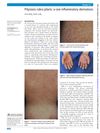 February 2018 in “BMJ case reports”
 An 18-year-old woman was diagnosed with a rare skin condition called Pityriasis rubra pilaris.
December 2020 in “Pathology” A man's skin condition and poor diet led to a scurvy diagnosis.
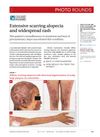 March 2022 in “The Journal of Family Practice”
 Following treatment plans is crucial to prevent worsening skin and hair conditions.
 1 citations
,
February 2021 in “Cutis”
1 citations
,
February 2021 in “Cutis” COVID-19 can cause various skin symptoms, including rashes and lesions, which often appear early and can help in timely diagnosis.