August 2025 in “EMC - AKOS - Trattato di Medicina” Non-scarring alopecia can regrow hair, but scarring alopecia is often permanent and needs quick treatment.
 March 2021 in “CRC Press eBooks”
 Hair loss without scarring is more common than permanent hair loss with scarring, and is often due to genetic factors.
 December 2002 in “Operative Techniques in Otolaryngology-Head and Neck Surgery”
 Hair loss from trauma can be managed using scalp expansion, flaps, and hair transplants to improve appearance and well-being.
 1 citations
,
June 2022 in “PubMed”
1 citations
,
June 2022 in “PubMed” Alopecia causes hair loss and should be treated early, especially scarring types where hair cannot regrow.
January 2004 in “Linchuang pifuke zazhi” A man lost hair permanently from a salon burn, and surgery was needed to fix the scar.
 1 citations
,
October 2021 in “Cosmoderma”
1 citations
,
October 2021 in “Cosmoderma” Hair transplants can work for permanent hair loss if the condition is stable and done carefully.
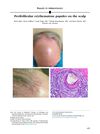 January 2016 in “Journal of The American Academy of Dermatology”
 The woman has a type of scarring hair loss with red bumps around hair follicles.

Hair restoration surgery, done under local anesthesia, is used to hide scalp scars and treat certain alopecia stages, relying on transplant design and patient understanding for success.
 September 2021 in “PubMed”
 Hair transplantation is effective for treating scar-related hair loss on the head and neck.
January 2026 in “Journal of Case Reports and Scientific Images” Homeopathic treatment led to full recovery from scarring alopecia.
2 citations
,
May 2000 in “International Society of Hair Restoration Surgery” Scarring alopecias are a complex type of hair loss that are hard to treat and often can't be fixed with hair transplants.
1 citations
,
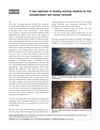
January 2010 Redistributing existing hair is the best solution for scalp alopecia.
 11 citations
,
January 2010 in “Indian Journal of Dermatology, Venereology and Leprology”
11 citations
,
January 2010 in “Indian Journal of Dermatology, Venereology and Leprology” Hair transplant and applying 5% minoxidil solution can effectively treat permanent hair loss, but it may change hair direction in some cases.
July 2021 in “CRC Press eBooks” Healthy scalp is crucial for hair growth and preventing hair loss.
 14 citations
,
December 2013 in “Anais Brasileiros De Dermatologia”
14 citations
,
December 2013 in “Anais Brasileiros De Dermatologia” A woman with long-term scalp psoriasis developed rare scarring hair loss that didn't fully respond to treatments.
June 2025 in “Clinical and Experimental Dermatology” A 76-year-old man's grey hair turned back to its original color after radiotherapy.
 2 citations
,
January 2013 in “Hair therapy & transplantation”
2 citations
,
January 2013 in “Hair therapy & transplantation” Hair transplants can be a treatment for scarring hair loss if there's good blood flow and no active disease.
 July 2021 in “World journal of plastic surgery”
 Hair transplantation is effective for treating scar-related hair loss on the head and neck.
July 2000 in “International Society of Hair Restoration Surgery” Finasteride is effective for treating hair loss.
 September 2021 in “Hair transplant forum international”
 Synthetic hair implants can cause infection and scarring, so safer options like follicular unit excision are recommended.
 August 2007 in “CRC Press eBooks”
 Hair loss is mainly caused by a testosterone byproduct, and hair restoration surgery uses hair from the back and sides of the scalp.
 13 citations
,
July 2004 in “Skinmed”
13 citations
,
July 2004 in “Skinmed” Common types of non-scarring hair loss have various causes and treatments, but more effective solutions are needed.
 10 citations
,
May 2012 in “Journal of Plastic Reconstructive and Aesthetic Surgery”
10 citations
,
May 2012 in “Journal of Plastic Reconstructive and Aesthetic Surgery” Beard hair can effectively hide hair transplant scars.
Transplanting beard hair into a scalp wound after hair transplant surgery improves scar appearance and hair keeps its normal traits.
2 citations
,
June 2024 in “JAAD reviews.” Some drugs can cause permanent hair loss, though it's rare.
November 2021 in “International Journal of Pharma and Bio Sciences” Alopecia causes hair loss, and scarring alopecia leads to permanent hair loss due to inflammation.
 2 citations
,
September 2007
2 citations
,
September 2007 Surgical hair restoration involves moving hair from a non-balding area to a balding area, with the transplanted hair not subject to male pattern baldness. Medications can slow hair loss and regrow some hair, but successful treatment needs careful planning, skill, and ethical responsibility due to progressive hair loss and limited donor hair.
 January 1998 in “Current Therapeutics”
 Different causes of hair loss require specific treatments, and most men and women will experience some form of hair thinning as they age.

Hair loss can be caused by hormones, illness, autoimmune disorders, or vitamin deficiencies, and treatments vary depending on the type.
 7 citations
,
June 1992 in “The Journal of Dermatologic Surgery and Oncology”
7 citations
,
June 1992 in “The Journal of Dermatologic Surgery and Oncology” Hair transplantation is a viable treatment for some types of female hair loss, with careful donor assessment and attention to psychological factors.