 May 2023 in “Elsevier eBooks”
 Scarring alopecia causes permanent hair loss, and treatment aims to reduce inflammation and stop it from getting worse.
 April 2023 in “Clinical and experimental dermatology”
 A new treatment using hydroxychloroquine, hyaluronidase, and steroids may improve hair loss from dermal filler complications.
 April 2023 in “Journal of Investigative Dermatology”
 Platelet-rich plasma treatment is generally safe and effective for hair loss, acne scars, skin discoloration, and facial rejuvenation, but deeper injections are better and multiple treatments can increase risk of side effects.
 May 2022 in “Journal of the American Academy of Dermatology”
 The document suggests using a topical Vitamin D treatment for hair loss rather than oral supplements and calls for more research.
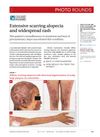 March 2022 in “The Journal of Family Practice”
 Following treatment plans is crucial to prevent worsening skin and hair conditions.
 July 2021 in “British Journal of Dermatology”
 A woman with systemic sclerosis developed a unique scarring hair loss combining features of systemic sclerosis and frontal fibrosing alopecia.
May 2021 in “DOAJ (DOAJ: Directory of Open Access Journals)” New technologies may improve topical treatments for hair loss.
Multiphoton microscopy can effectively distinguish between scarring and non-scarring alopecia.
April 2016 in “Journal of the American Academy of Dermatology” Treatment improved some symptoms but not all.
May 2009 in “Faculty Opinions – Post-Publication Peer Review of the Biomedical Literature” PPARgamma is crucial for healthy hair follicles, and its loss causes scarring alopecia.
January 2007 in “Journal of the American Academy of Dermatology” Tinea can cause scarring alopecia in children, and fungal culture is crucial for diagnosis.
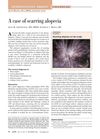 December 2005 in “Journal of the American Academy of Physician Assistants”
 The woman was diagnosed with lichen planopilaris and can be treated with corticosteroids.
 19 citations
,
June 2020 in “International Journal of Dermatology”
19 citations
,
June 2020 in “International Journal of Dermatology” Low-dose oral minoxidil effectively treats non-scarring hair loss with some side effects like hypertrichosis and postural hypotension.
 3 citations
,
January 2017 in “Journal of Pakistan Association of Dermatology”
3 citations
,
January 2017 in “Journal of Pakistan Association of Dermatology” Women with certain types of hair loss may have low iron levels, and iron supplements could help.
 2 citations
,
January 2018 in “DOAJ (DOAJ: Directory of Open Access Journals)”
2 citations
,
January 2018 in “DOAJ (DOAJ: Directory of Open Access Journals)” The most effective way to diagnose non-scarring hair loss is by transverse sectioning, and some cases, particularly in males with inflammation around hair follicles, might be curable.
April 2026 in “Skin Appendage Disorders” Exosome therapy shows promise for treating hair loss but needs more research and standardization.
October 2025 in “Clinical and Experimental Dermatology” Low-dose oral minoxidil significantly improves hair density in non-scarring alopecia.
 April 2025 in “Düzce Tıp Fakültesi Dergisi”
 Vitamin D deficiency is common in children with non-scarring alopecia, and managing it may help treatment.
 January 2025 in “International Journal of Dermatology Research”
 Tailored combination therapy improves non-scarring alopecia outcomes.
 January 2025 in “International Journal of Dermatology Sciences”
 Androgenetic alopecia is the most common type of non-scarring hair loss, especially in young males, and early diagnosis and treatment are important.
 November 2022 in “Skin health and disease”
 People with hair loss conditions often have more mental health issues like depression and anxiety compared to those without hair loss.
 January 2014 in “Pathology”
 Non-scarring hair loss can be diagnosed with two 4mm punch biopsies, one cut vertically and the other transversely.
 June 2023 in “International journal of pharmaceutical quality assurance”
 Videodermoscopy is effective for diagnosing different types of non-scarring hair loss.
 July 2022 in “Al-Mağallaẗ al-ʻirāqiyyaẗ li-l-ṣaydalaẗ”
 Androgenetic alopecia with telogen effluvium is the most common hair loss in women with hirsutism.
 122 citations
,
April 1995 in “Journal of Cutaneous Pathology”
122 citations
,
April 1995 in “Journal of Cutaneous Pathology” The document describes how to tell different types of non-scarring hair loss apart by looking at hair and scalp tissue under a microscope.
 4 citations
,
January 2023 in “Frontiers in Immunology”
4 citations
,
January 2023 in “Frontiers in Immunology” Shorter telomeres in white blood cells may increase the risk of a common type of hair loss.
 1 citations
,
February 2019 in “PubMed”
1 citations
,
February 2019 in “PubMed” Minoxidil is effective in treating various types of hair loss and can improve quality of life, with combination therapies showing increased effectiveness.
 January 2026 in “Archives of Current Medical Research”
 Telogen effluvium is the most common hair loss in women, often linked to low iron, while tight hairstyles and headscarves increase traction alopecia risk.
 May 2025 in “Frontiers in Pharmacology”
 New treatments are needed for non-scarring alopecia due to current limitations.
May 2025 in “OPAL (Open@LaTrobe) (La Trobe University)” Current treatments for non-scarring alopecia have limited effectiveness and side effects, while natural remedies may offer safer alternatives but need more research.