 36 citations
,
March 2019 in “European Journal of Human Genetics”
36 citations
,
March 2019 in “European Journal of Human Genetics” The research found genetic differences in identical twins that could explain why one twin has a disease while the other does not.
 43 citations
,
July 1994 in “Archives of Dermatology”
43 citations
,
July 1994 in “Archives of Dermatology” People with androgenetic alopecia have more personality disorders and mental health symptoms; treatment may help.
 20 citations
,
November 2012 in “Journal der Deutschen Dermatologischen Gesellschaft”
20 citations
,
November 2012 in “Journal der Deutschen Dermatologischen Gesellschaft” Hair diseases can have psychological effects and should be treated with a combination of psychosomatic care, therapy, and medication.
 5 citations
,
January 2017 in “Clinics in Dermatology”
5 citations
,
January 2017 in “Clinics in Dermatology” Skin symptoms without a medical cause often reflect psychological stress and are influenced by culture, requiring a team approach for treatment.
 January 2017 in “Acta dermato-venereologica”
 The congress showed that psychological therapy can help skin condition patients, social media affects acne stigma, education improves atopic dermatitis, and patient satisfaction in dermatology is high, especially with good doctor engagement.
 3 citations
,
October 2021 in “Brain Sciences”
3 citations
,
October 2021 in “Brain Sciences” Long-term use of Risperidone may be linked to a serious skin condition in bipolar patients, affecting their overall well-being.
 March 2021 in “The British Journal of Psychiatry”
 Countries with stricter cultures had fewer COVID-19 cases and deaths, paranoia is linked to false memories, psychosocial intervention works as well with or without antipsychotic drugs for young people with psychosis, smartphones can detect changes in behavior indicating illness relapse, and recruitment agents show regional and gender biases.
14 citations
,
July 1994 in “Archives of Dermatology” People with androgenetic alopecia are more likely to have personality disorders.
 April 2017 in “European Psychiatry”
 Women with schizophrenia on atypical antipsychotics are more likely to have polycystic ovarian syndrome (PCOS) than women without schizophrenia.
 July 2023 in “Clinical, cosmetic and investigational dermatology”
 Plica neuropathica can be a sign of schizophrenia and improves with antipsychotic treatment.
January 1992 in “Journal of Oriental Neuropsychiatry” People with schizophrenia have lower zinc, copper, and chromium in their hair.
 October 2004 in “European Neuropsychopharmacology”
 Impulsiveness is common across various psychiatric disorders and linked to many psychological symptoms.
 September 1997 in “Journal of The European Academy of Dermatology and Venereology”
 Alopecia linked to higher anxiety and personality disorders.
 7 citations
,
February 2019 in “Journal of gynecology obstetrics and human reproduction”
7 citations
,
February 2019 in “Journal of gynecology obstetrics and human reproduction” People with polycystic ovary syndrome (PCOS) are more likely to have higher levels of depression and anxiety, but their personality traits are similar to those without PCOS.
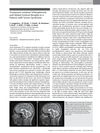 2 citations
,
July 2016 in “Pharmacopsychiatry”
2 citations
,
July 2016 in “Pharmacopsychiatry” A person with Turner Syndrome showed severe schizophrenia that didn't respond to treatment and had brain shrinkage.
May 2024 in “International journal of medicine and psychology.” Ganser syndrome may result from both organic and psychogenic factors.
8 citations
,
April 2024 in “Psychoneuroendocrinology” Women with and without PCOS show no significant differences in psychopathic traits.
 21 citations
,
November 2018 in “Journal of Psychosomatic Obstetrics & Gynecology”
21 citations
,
November 2018 in “Journal of Psychosomatic Obstetrics & Gynecology” Women with PCOS have more emotional and body image issues than healthy women.
 October 2012 in “European Neuropsychopharmacology”
 People with early psychosis eat more calories, saturated fat, and sugar, and the drug olanzapine may lead to eating even more calories.
 1 citations
,
January 2002 in “Dermatology + psychosomatics”
1 citations
,
January 2002 in “Dermatology + psychosomatics” Most people worried about abnormal hair loss actually have psychological issues like depression or anxiety.
Psychosis can be an early sign of neuropsychiatric lupus, treatable with tailored medication.
March 2025 in “International Journal of Clinical Dermatology” Psychodermatosis is reclassified based on brain-skin interaction, dividing conditions into psychogenic and psychosomatic categories.
 15 citations
,
March 2014 in “General Hospital Psychiatry”
15 citations
,
March 2014 in “General Hospital Psychiatry” Patients with schizophrenia have a high rate of skin diseases, with fungal infections and dermatitis being most common, and those on clozapine have a lower risk of fungal infections.
A brain injury can lead to compulsive hair-pulling and psychosis-like symptoms, needing comprehensive treatment.
 3 citations
,
July 2012 in “Indian Journal of Psychological Medicine”
3 citations
,
July 2012 in “Indian Journal of Psychological Medicine” Olanzapine helped a man who thought he had bugs on his skin.
 January 2025 in “Dermatology Review”
 Artefactual skin disorder involves self-inflicted skin lesions linked to mental health issues, needing combined medical and psychological treatment.
 26 citations
,
September 2009 in “Psychosomatics”
26 citations
,
September 2009 in “Psychosomatics” A girl initially thought to have a psychiatric disorder was later found to have a lupus-related condition, which improved with proper treatment.
 1 citations
,
June 2022 in “Ciencia Latina Revista Científica Multidisciplinar”
1 citations
,
June 2022 in “Ciencia Latina Revista Científica Multidisciplinar” Psychiatric issues often appear as skin problems, affecting 30% of dermatology patients.
 October 2023 in “Psychiatry research. Case reports”
 A new HRAS gene variant may cause a range of symptoms including intellectual disability and psychiatric issues.