 40 citations
,
July 2013 in “Skin Pharmacology and Physiology”
40 citations
,
July 2013 in “Skin Pharmacology and Physiology” Male skin gets drier and more alkaline as it ages, which may need different skincare than women's skin.
1 citations
,
January 2025 in “Poultry Science” Pekin duck skin quality improves with age, peaking at 5-6 weeks.
 33 citations
,
January 1997 in “Endocrinology”
33 citations
,
January 1997 in “Endocrinology” Testosterone can slow down hair growth when combined with certain cells from bald scalps, and this effect can be blocked by an androgen receptor blocker.
 August 2020 in “Egyptian Veterinary Medical Society of Parasitology Journal (EVMSPJ)”
 10.5% of sheep in Ismailia, Egypt, had Sarcoptes scabiei, causing skin issues.
10 citations
,
December 2018 in “Journal of animal physiology and animal nutrition” Heat stress reduced hair growth and affected related genes in rex rabbits.
 13 citations
,
October 2015 in “Journal of the European Academy of Dermatology and Venereology”
13 citations
,
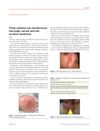
October 2015 in “Journal of the European Academy of Dermatology and Venereology” The document concludes that early recognition and appropriate treatment of red scalp, red ear, and red scrotum syndromes can lead to remission.
 19 citations
,
August 1993 in “Journal of Cutaneous Pathology”
19 citations
,
August 1993 in “Journal of Cutaneous Pathology” Alopecia causes smaller hair follicles and affects growth-related structures.
December 2024 in “PLoS ONE” Alopecia in gray bats is most common and severe during lactation, likely due to stress and nutrition.
 3 citations
,
February 2018 in “Human Reproduction”
3 citations
,
February 2018 in “Human Reproduction” A man with testotoxicosis was fertile despite low FSH levels, suggesting high testosterone may allow sperm production without FSH.
15 citations
,
January 1999 in “Reproduction Fertility and Development” Merino sheep have fewer wool follicles at birth than before birth.
Sheep can lose wool quickly due to stress, but it doesn't cause itching or pain.
4 citations
,
January 1991 in “Journal of dermatological treatment” Goserelin and oestradiol treatment slightly improved hairiness but did not significantly change sebum production or hair characteristics in mildly hirsute women.

Men with hair loss may have more body fat and different blood characteristics.
November 2024 in “Scientific Reports” Chemotherapy for male germ cell tumors often leads to hypogonadism and related symptoms.
31 citations
,
November 1965 in “Journal of Mammalogy” The pituitary gland is crucial for normal mink fur cycles.
 10 citations
,
January 2013 in “Journal of Cutaneous and Aesthetic Surgery”
10 citations
,
January 2013 in “Journal of Cutaneous and Aesthetic Surgery” Narrower donor strips and special closure techniques in hair transplants lead to smaller scars and happier patients.
Finasteride affects prostate development differently in male and female Mongolian gerbils.
20 citations
,
March 1975 in “Clinics in Endocrinology and Metabolism” 
Men with benign prostate hyperplasia have more meibomian gland loss and tear film problems.
23 citations
,
March 1998 in “BMJ” Haemochromatosis can cause infertility by affecting hormone glands.
31 citations
,
January 2001 in “PubMed”  1 citations
,
December 2017 in “Research for Rural Development/Research for Rural Development (Online)”
1 citations
,
December 2017 in “Research for Rural Development/Research for Rural Development (Online)” Neutered ferrets often develop hyperadrenocorticism, with symptoms like hair loss and lethargy, and androstenedione is a key indicator for diagnosis.
3 citations
,
November 1992 in “The Journal of Dermatologic Surgery and Oncology” The method effectively reduces and hides scalp defects after surgery.
 12 citations
,
March 2010 in “Asian Journal of Animal and Veterinary Advances”
12 citations
,
March 2010 in “Asian Journal of Animal and Veterinary Advances” Young and adult hamsters both respond similarly to testosterone and finasteride treatments, but young hamsters aren't good for testing the inhibitory activity of a specific enzyme.
 May 2023 in “Frontiers in Endocrinology”
 Blocking CRF1 receptors improved male hormone levels and reduced testicular tumor size in men with a specific adrenal condition.
11 citations
,
January 2017 in “Skin Appendage Disorders” Use lower concentrations of triamcinolone acetonide to reduce steroid-induced scalp atrophy.
May 2008 in “Trends in Urology Gynaecology & Sexual Health” Loop diuretics may double bone loss in elderly men, finasteride lowers prostate cancer risk but may increase high-grade tumors, abarelix reduces testosterone quickly, and transdermal testosterone offers minimal sexual benefit for women.
1 citations
,
January 2002 in “Yaoxue jinzhan” Finasteride reduces sperm count and affects male reproductive function, while Epristeride does not.
January 1996 in “Springer eBooks”  1 citations
,
February 2024 in “Journal of Modern Oncology”
1 citations
,
February 2024 in “Journal of Modern Oncology” Scalp cooling helps prevent hair loss during chemotherapy for breast cancer.