Hair loss is caused by hormonal changes that shorten hair growth phases and shrink hair follicles.
January 2020 in “대한미용학회지” Permanent hair dye reduces sulfur content in both gray and black-brown hair.
 November 2019 in “Neuro-oncology”
 Rind-based techniques can lower scalp radiation dose and reduce hair loss in brain cancer treatment.
 October 2019 in “Skin appendage disorders”
 The vitreous membrane in hair follicles changes shape during the hair cycle and may affect hair growth and nutrient exchange.
 October 2019 in “The Egyptian Journal of Hospital Medicine”
 Both hair transplantation and skin expansion are effective for treating cicatricial alopecia, with the best method depending on the patient's age, alopecia size, and other factors.
 September 2019 in “The journal of investigative dermatology/Journal of investigative dermatology”
 Hair follicles repair 3D injuries using a 2D healing process.
 August 2019 in “Journal of Investigative Dermatology”
 Skin may help in getting rid of excess iron through the process of skin cell renewal.
April 2018 in “Journal of Investigative Dermatology” Ceramide synthase 4 is essential for maintaining skin barrier health.
January 2018 in “Refubium (Universitätsbibliothek der Freien Universität Berlin)” Nanocarriers can improve skin treatments by effectively delivering drugs and enhancing skin hydration.
 December 2017 in “International Journal of Current Research in Biosciences and Plant Biology”
 Nutrients and hormones affect root hair growth, but more research is needed to understand the genetic mechanisms.
The keratin-based cream effectively repaired and improved damaged hair.
April 2017 in “DR-NTU (Nanyang Technological University)” A biodegradable system can deliver finasteride consistently, reducing the need for daily pills.
 January 2017 in “Postepy Dermatologii I Alergologii”
 The CRH/CRH-R1 system might be involved in causing lichen planus.
November 2016 in “University of the Arts London Research Online (University of the Arts London)” Shampoos with polymers and dyes help maintain and enhance hair color vibrancy.
 April 2016 in “Journal of The American Academy of Dermatology”
 A child on life support experienced rapid hair loss due to severe illness affecting hair growth.
March 2016 in “The Korean Society of Beauty and Art” MSG-based hair hardener improves hair thickness, strength, and wave retention after perms.
January 2016 in “Munich Personal RePEc Archive (Ludwig Maximilian University of Munich)” A new method using gold nanoshells and infrared light effectively delivers siRNA to cancer and stem cells with precision and minimal damage.
December 2014 in “Nicolaus Copernicus University Repository (Nicolaus Copernicus University)” Polyquaternium-7 improves hair condition.
January 2014 in “SciDok (Saarland University and State Library)” Nanoparticles can effectively enter hair follicles and stimulate immune responses, supporting potential transfollicular vaccination.

Growing hair follicles from cultured cells could potentially treat baldness, but more research is needed.
May 2013 in “Zhonghua miniao waike zazhi” Hair follicle stem cells work well with bladder matrix for bladder repair.

The device applies substances directly to body tissues, improving cell transplant and treatment processes.
The shampoo with 10% SLS had the best physical properties.
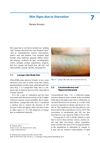 June 2012 in “Springer eBooks”
 Skin changes can indicate starvation and nutritional deficiencies in anorexia nervosa.
 November 2011 in “Advanced Materials Research”
 Adding 1% hair fibers to brake materials improves friction and wear, making them more effective.

The research found that nanoparticles coated with chitosan improved the skin penetration of the drug finasteride.
 January 2011 in “Journal of Society of Cosmetic Chemists of Japan”
 18-MEA and SPDA can restore damaged hair's smoothness and reduce frizz.
January 2011 in “Leather Science and Engineering” Processing changes Sichuan rabbit skin structure by altering collagen fiber arrangement and porosity.
Androgens reduce macrophage receptor expression, affecting immune response, while antiandrogens counteract this effect.
Epidermal stem cells help renew skin and heal wounds, influenced by specific proteins and markers.