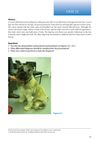
 May 2019 in “Small Animal Dermatology”
 The dog had sebaceous adenitis, treated with ciclosporin, leading to some hair regrowth.
Dermoscopy is useful for diagnosing hair loss patterns in dogs.
 16 citations
,
July 2016 in “Veterinary Dermatology”
16 citations
,
July 2016 in “Veterinary Dermatology” Dermoscopy is useful for diagnosing hair loss patterns in dogs.
January 2018 in “INTAS POLIVET” The dog recovered successfully after treatment with multiple medications.
1 citations
,
September 2016 in “Veterinary dermatology” A combination of ciclosporin and ketoconazole can effectively treat severe hair loss in dogs.
February 2026 in “Revista Saber Digital” Deslorelin effectively treats alopecia X in dogs.
 January 2019 in “Jui rinsho hifuka”
 A dog's hair loss was caused by a hormone-secreting testicular tumor.
 July 2022 in “Research, Society and Development”
 The conclusion is that different treatments improved hair growth in dogs with Alopecia X, but results varied and not all dogs had complete hair regrowth.
 18 citations
,
October 2017 in “PLOS ONE”
18 citations
,
October 2017 in “PLOS ONE” The study concluded that similar pathways regulate hair growth in dogs and mice, and these pathways are disrupted in dogs with Alopecia X, affecting stem cells and hormone metabolism.
April 2026 in “Veterinary Record Case Reports” Neutering successfully treated hair loss in a Pomeranian dog.
January 2024 in “Editora In Vivo eBooks” A dog had a fungal skin infection that can also affect humans.
2 citations
,
January 2025 in “Veterinary Dermatology” Male Pomeranians with woolly coats are more likely to develop alopecia X.
January 2025 in “Veterinary Record Case Reports” The dog's skin condition improved quickly with treatment and did not return.
 34 citations
,
March 2003 in “Veterinary Dermatology”
34 citations
,
March 2003 in “Veterinary Dermatology” Most dogs with alopecia had higher than normal levels of certain hormones, but hair loss might not always be linked to these hormone changes.
 October 2023 in “Russian Journal of Veterinary Pathology”
 Microneedling, oral melatonin, trilostane, and deslorelin acetate implants are the best treatments for alopecia X in dogs.
The dog fully recovered and regrew hair after a combination of topical and oral treatments.
 December 2018 in “Journal of Advances in VetBio Science and Techniques”
 Low testosterone might be a common cause of hair loss in male dogs.
January 2016 in “Lithuanian University of Health Sciences” Different diseases cause specific skin and hair follicle changes in dogs with alopecia.
5 citations
,
October 2012 in “Veterinary Pathology” A Doberman Pinscher had a rare form of autoimmune disease causing hair loss and other severe symptoms.
 September 2023 in “Jurnal Ilmu Kesehatan Hewan”
 The dog improved significantly after treatment for skin mites and fungi.
The chapter concludes that certain skin diseases in bovines cause symmetrical, non-painful lesions and temporary hair loss due to stress.
 January 2024 in “Jurnal Ilmu Kesehatan Hewan”
 A mixed breed dog with skin issues improved significantly after treatment and needs to avoid dampness and certain bath products to prevent it from coming back.
 January 2025 in “International Journal of Biology Sciences”
 Combining systemic and topical treatments effectively cured a dog's skin condition.
May 2019 in “Small Animal Dermatology” The dog had a good prognosis with proper treatment and cleaning.
A black Doberman with hair loss improved partially with omega-3/omega-6 treatment.
 May 2021 in “British Small Animal Veterinary Association eBooks”
 If a dog's skin tests are normal but it has hair loss, consider other non-endocrine causes and choose tests based on the hair loss pattern.

Orchiectomy and melatonin helped a German Spitz regrow hair lost due to alopecia X.
 44 citations
,
May 2006 in “The Journal of the American Animal Hospital Association/Journal of the American Animal Hospital Association”
44 citations
,
May 2006 in “The Journal of the American Animal Hospital Association/Journal of the American Animal Hospital Association” Both treatments for pemphigus foliaceus in dogs are effective, but combination therapy has more side effects.
 2 citations
,
January 2005 in “The Japanese Journal of Veterinary Dermatology”
2 citations
,
January 2005 in “The Japanese Journal of Veterinary Dermatology” Abnormal adrenal function is not the cause of alopecia in Pomeranians; it may be due to breed-specific hormones.
January 2025 in “Open Veterinary Journal” Supplements improved the dog's hair growth without side effects.