178 citations
,
June 1994 in “Journal of Investigative Dermatology” Alopecia areata in these mice is inherited, more common in young females, and can be treated with triamcinolone acetonide.
January 2006 in “The Year book of dermatology”  13 citations
,
November 2005 in “Veterinary Dermatology”
13 citations
,
November 2005 in “Veterinary Dermatology” A dog's skin calcification condition resolved without treatment after a bacterial infection.
January 2018 in “Archivio istituzionale della ricerca (Alma Mater Studiorum Università di Bologna)” Prompt veterinary care and proper diagnosis are crucial for treating rare fungal skin diseases in horses.
 1 citations
,
April 2016 in “Journal of The American Academy of Dermatology”
1 citations
,
April 2016 in “Journal of The American Academy of Dermatology” The study concludes that Loose Anagen Hair Syndrome is a benign condition that usually improves with age but can be hard to diagnose and stressful for the family.
March 2026 in “Indian journal of veterinary and animal sciences research.” A Shih Tzu with hypothyroidism improved significantly after 6 weeks of levothyroxine treatment.
7 citations
,
October 1943 in “Experimental Biology and Medicine” Diethylstilbestrol causes hair loss in male dogs.
About half of people with mild alopecia areata see hair regrowth in a year, but relapses are common.
54 citations
,
November 2007 in “Actas Dermo-Sifiliográficas” Early diagnosis of frontal fibrosing alopecia is crucial to prevent permanent hair loss.
 November 2021 in “PARIPEX INDIAN JOURNAL OF RESEARCH”
 Trigona honey effectively treats dermatitis in dogs.
 53 citations
,
January 2007 in “Dermatology”
53 citations
,
January 2007 in “Dermatology” Chemotherapy often causes patterned hair loss, with some scalp areas more resistant to hair loss than others.
April 2019 in “Journal of parasitic diseases” A Persian cat and its owner fully recovered from Cheyletiellosis after treatment.
 5 citations
,
January 2014 in “International Journal of Trichology”
5 citations
,
January 2014 in “International Journal of Trichology” Hair loss on the lower legs is common in middle-aged men, usually harmless, and doesn't need treatment.
3 citations
,
January 2021 in “Veterinary dermatology” A litter of cats had a hair condition similar to a mouse mutation, leading to hair loss and abnormal hair and skin.
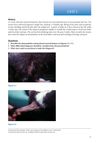 May 2019 in “Small Animal Dermatology”
 The cat had a rare condition linked to cancer, leading to its euthanasia.
2 citations
,
August 2025 in “JAAD reviews.” Frontal fibrosing alopecia significantly affects men, often causing hair loss in eyebrows, beard, and sideburns.
 February 2024 in “Skin research and technology”
 LC-OCT is a promising tool for diagnosing and monitoring Alopecia areata.
 January 2024 in “Open Journal of Veterinary Medicine”
 The treatment effectively reduces yeast and improves skin in dogs.
 102 citations
,
April 2014 in “International Journal of Dermatology”
102 citations
,
April 2014 in “International Journal of Dermatology” The treatment helped reduce symptoms and stabilize the hairline in most patients with Frontal Fibrosing Alopecia, but hair regrowth was limited.
 57 citations
,
January 2003 in “Clinical and experimental dermatology”
57 citations
,
January 2003 in “Clinical and experimental dermatology” Postmenopausal frontal fibrosing alopecia is a type of hair loss in postmenopausal women that may stop on its own but has no effective treatment.
 21 citations
,
April 2010 in “Veterinary Dermatology”
21 citations
,
April 2010 in “Veterinary Dermatology” Hydroxychloroquine showed some potential, but overall, the three drugs had limited success in treating lupus in dogs.
 August 2022 in “Turkish journal of veterinary research”
 Demodicosis causes significant oxidative stress in dogs.
 January 2025 in “International Journal of Veterinary Sciences and Animal Husbandry”
 The camel fully recovered from sarcoptic mange after 5 weeks of treatment.
 April 2016 in “Proceedings of SPIE”
 UV-induced autofluorescence is effective for identifying different types of alopecia.
 27 citations
,
January 2015 in “Current problems in dermatology”
27 citations
,
January 2015 in “Current problems in dermatology” The document concludes that primary scarring alopecias cause permanent hair loss, have unpredictable outcomes, and lack definitive treatments, requiring personalized care.
July 2024 in “Clinical Case Reports” Recognizing rare hair loss patterns in young females can improve understanding and treatment.
 August 2024 in “Indian Journal of Animal Research”
 Clove oil effectively treats cattle dermatophytosis in 7 days.
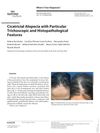 November 2018 in “Skin appendage disorders”
 The document concludes that a woman has both Frontal Fibrosing Alopecia and Lichen Simplex Chronicus, a previously unreported combination of conditions.
January 2024 in “Veterinary Science and Medicine Journal” The Pomeranian recovered well after treatment for pneumonia and demodecosis.