 April 2024 in “Cell death and differentiation”
 Cell death shapes skin stem cell environments, affecting inflammation, repair, and cancer.
 April 2024 in “International journal of women's health”
 Adult female acne is a complex condition that can worsen with menopause, requiring holistic treatment and tailored skincare at different life stages.
 March 2024 in “Journal of Rawalpindi Medical College/Journal Rawalpindi Medical College”
 Skin issues are common and important for diagnosing PCOS.
Individualized treatment plans, including lifestyle changes and specific medications, are crucial for managing PCOS in adolescents.
 November 2023 in “International Research Journal of Modernization in Engineering Technology and Science”
 Herbal shampoos clean and improve hair naturally without harmful side effects.
 November 2023 in “Frontiers in cell and developmental biology”
 Hair aging is caused by stress, hormones, inflammation, and DNA damage affecting hair growth and color.
 November 2022 in “Research Square (Research Square)”
 Keratin-associated proteins have ancient origins and were used for different purposes before being adapted for hair in mammals.
 August 2021 in “Acta Haematologica Polonica”
 Folliculotropic mycosis fungoides has a worse prognosis than other types, with survival rates varying significantly based on subtype and organ involvement.
 August 2021 in “Annals of pathology and laboratory medicine”
 Most skin tumors in the study were benign, with squamous cell carcinoma being the most common malignant type.
 June 2021 in “Journal of Emerging Technologies and Innovative Research”
 Rice water and hibiscus can help improve hair health and growth.
 January 2021 in “Revista Dermatológica Centro Uraga”
 Endocrinological evaluation is crucial for properly diagnosing and treating acne.
 January 2019 in “Springer eBooks”
 PRP may help with hair loss and improve hair quality with few side effects, but more research is needed.
 January 2019 in “Springer eBooks”
 Acne is linked to inflammation and insulin resistance, and is associated with various syndromes that require different treatments.
 January 2019 in “ARC journal of pharmaceutical sciences”
 Acne can be managed with various treatments and requires psychological support due to its emotional impact.
 January 2019 in “Advances in stem cells and their niches”
 Skin health and repair depend on the signals between skin stem cells and their surrounding cells.
 April 2018 in “Journal of Investigative Dermatology”
 Acne patients' skin, both with and without lesions, shows a strong immune response and higher antimicrobial activity.
 April 2018 in “Journal of Investigative Dermatology”
 The role of γδT-cells in causing alopecia areata remains unclear.
 January 2018 in “Springer eBooks”
 Different races and genders have unique skin and hair issues, requiring specialized care and more research for effective treatment.
 March 2016 in “Institutional Repositories DataBase (IRDB)”
 Collagen peptides may promote hair growth by activating certain genes in the skin.
The article concludes that understanding the causes of hair loss and using continuous treatments like minoxidil and finasteride can help manage it, despite potential side effects.
 January 2015 in “Springer eBooks”
 Hair health is influenced by genetics, aging, and environmental factors, with proper care needed to maintain it.

Keratin hydrogels from human hair show promise for tissue engineering and regenerative medicine.
 December 2013 in “Research Portal (King's College London)”
 Hair loss in Lichen Planopilaris is caused by immune system issues damaging hair follicles and stem cells.
 June 2013 in “Expert Review of Dermatology”
 The article concludes that hormonal therapy is an effective long-term acne treatment, even for those without hormonal imbalances.
 May 2013 in “Springer eBooks”
 Skin problems in the elderly are unique and may indicate other diseases, involving changes in skin, hair, nails, and increased cancer risk.
 January 2013 in “Springer eBooks”
 Hair care products are important for appearance and self-esteem, and choosing the right ones can help maintain healthy hair.
 November 2005 in “Journal of Investigative Dermatology Symposium Proceedings”
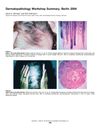
 The workshop aimed to improve hair loss disorder diagnosis and understanding.
 June 2003 in “Journal of Investigative Dermatology Symposium Proceedings”
 Advancements in hair biology include new treatments and tools for hair growth and alopecia.
 May 2003 in “Journal of Investigative Dermatology”
 The meeting covered advances in understanding hair growth, causes of hair loss, and potential treatments.
 March 2000 in “Preventive Nutrition and Food Science”
 Whalgichan improved hair growth, reduced hair loss, and enhanced cholesterol and lipid metabolism without side effects.