 December 2018 in “Journal of Advances in VetBio Science and Techniques”
 Low testosterone might be a common cause of hair loss in male dogs.
 September 2018 in “Cosmetics”
 Inositol and arginine solutions improve hair follicle health and turnover.
 September 2018 in “International Journal of Advanced Community Medicine”
 The cream effectively treats acne and dermatitis without causing irritation.
 August 2018 in “Biomedical Journal of Scientific & Technical Research”
 Treated hair can fight dandruff and odor even after several washes.
 July 2018 in “Elsevier eBooks”
 Lichen Planopilaris is a hair loss condition best treated early with various medications, including hydroxychloroquine, to prevent permanent baldness.
 July 2018 in “Elsevier eBooks”
 Acne keloidalis nuchae is a chronic skin condition more common in African men, causing itchy or painful bumps and can lead to permanent hair loss if not treated early.
 June 2018 in “International journal of trend in scientific research and development”
 The review explains how hair products work and the science of different hair types to help improve hair care research.
 January 2018 in “Elsevier eBooks”
 The document concludes that proper diagnosis and treatment of follicular disorders are crucial, with specific treatments for conditions like acne, drug-induced eruptions, and rosacea.
 October 2017 in “Journal of medical science and clinical research”
 Obese people are more likely to have certain skin conditions like dark patches, stretch marks, skin tags, and bumpy skin.
 September 2017 in “Journal of Investigative Dermatology”
 Stabilizing HIF-1A in hair follicles may reduce oxidative stress and promote hair growth by increasing glycolysis.
 September 2017 in “Journal of Investigative Dermatology”
 Thermal imaging is a useful non-invasive method to diagnose active inflammation in frontal fibrosing alopecia.
 September 2017 in “Journal of Investigative Dermatology”
 The new scalp treatment preserves hair color, reduces hair loss, and maintains hair strength.
 September 2017 in “The journal of investigative dermatology/Journal of investigative dermatology”
 The reconstructed skin model from hair follicles functions like human skin in processing chemicals and can be used to test ingredient safety.
 October 2016 in “Elsevier eBooks”
 Common noncancerous skin diseases have various treatments, including topical applications, light therapy, surgery, and medications, with psychological support being important.
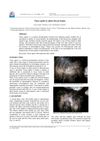
An adult Libyan woman was successfully treated for a rare scalp infection usually seen in children.
 September 2016 in “Journal of Dermatological Science”
 Certain factors can start hair growth in adult skin by making cells communicate and form new hair follicles.
January 2016 in “Dermatology Online Journal” Hormonal therapy changes skin and hair in transgender patients, who need better researched dermatologic care.

The article concludes that understanding the causes of hair loss and using continuous treatments like minoxidil and finasteride can help manage it, despite potential side effects.
 November 2015 in “International journal of science and research”
 Adult acne is mostly inflammatory, affects women more, and often scars, needing good treatment to prevent damage.
 April 2014 in “Journal of Aesthetic Nursing”
 Mesotherapy with natural extracts and vitamins can improve hair loss and promote regrowth in most women.
 January 2013 in “Journal of dermatology”
 A new medical syndrome may include skin changes, hair loss, sweating issues, bone malformations, leg swelling, and low cortisol.

Three Indian medicinal plant compounds help hair growth.
 January 2013 in “Springer eBooks”
 Hair care products are important for appearance and self-esteem, and choosing the right ones can help maintain healthy hair.
 June 2012 in “Springer eBooks”
 Skin changes can indicate starvation and nutritional deficiencies in anorexia nervosa.
 January 2008 in “Springer eBooks”
 Thyroid disease can cause hair loss and treating thyroid problems might help with hair disorders.
 November 2004 in “Medical Journal of Indonesia”
 Hormonal imbalances can cause skin and hair problems in women, and treatments that block male hormones can help.
 February 1990 in “Journal of The American Academy of Dermatology”
 New skin treatments in 1987-1988 showed effectiveness for various conditions, but some had side effects or risks.
 January 1988 in “Inpharma (Balgowlah)”
 New retinoids are effective for various skin conditions and are being developed to have fewer side effects.

Hair loss in African American women, caused by hair care, genetics, and environment, needs more research for better treatment.
 September 2017 in “Journal of Investigative Dermatology”
 Injections of special skin cells showed potential in treating hair loss, with some participants experiencing increased hair density.