 September 2019 in “Journal of Investigative Dermatology”
 Scientists used stem cells to create a model of the skin disease Epidermolysis Bullosa simplex, which helped them understand its molecular mechanisms and could aid in finding treatments.
 April 2026 in “Cellular and Molecular Immunology”
 SPT6 prevents excessive skin inflammation by blocking a feedback loop.
 November 2022 in “Journal of Investigative Dermatology”
 The medicine Cyclosporin A might cause excessive hair growth by reducing a protein that controls hair growth.
 September 2024 in “Seven Editora eBooks”
 Dermatophylosis sporadically affects adult sheep in Sertão da Paraíba, causing alopecic and crusty skin lesions.
7 citations
,
March 2022 in “The FASEB journal” Adult mice with CBS deficiency show minimal health issues and normal lifespan despite high homocysteine levels.
July 2024 in “Journal of Investigative Dermatology” Reactive lipids from aging cells change the extracellular matrix, affecting cell function and inflammation.
Epidermal stem cells help renew skin and heal wounds, influenced by specific proteins and markers.
 127 citations
,
July 2002 in “EMBO journal”
127 citations
,
July 2002 in “EMBO journal” Normal skin cell renewal doesn't need RAR signaling, but vitamin A-related skin thickening does.
March 2016 in “Experimental Dermatology” EGFR helps hair follicles transition properly by controlling Stathmin levels.
April 2010 in “Cancer Research” Stat3 activation increases hair follicle progenitors but reduces bulge region stem cells.
 1 citations
,
August 2023 in “Journal of cosmetic dermatology (Print)”
1 citations
,
August 2023 in “Journal of cosmetic dermatology (Print)” Too much selenium can cause hair loss and nail problems.
1 citations
,
January 1986 in “PubMed” The boy's symptoms suggest a possible new medical condition.
 September 2017 in “Journal of Investigative Dermatology”
 The study found that sweat glands normally suppress immune responses, but this is disrupted in certain skin diseases, possibly contributing to their development.
5 citations
,
January 1961 in “PubMed” Cholesterol and phospholipids increase in mouse skin during cancer development, with differences between male and female skin.
April 2012 in “Cancer Research” EGFR deficiency in skin causes hair follicle issues and inflammation.
10 citations
,
February 2012 in “Journal of Clinical Investigation” Advancements in skin and hair biology improve dermatology care and cosmetic treatments.
January 2014 in “Institutional Repositories DataBase (IRDB)” Fibroblast spheres can form stem cells, but marker distribution needs more study.
January 2017 in “Enlighten: Publications (The University of Glasgow)” Activating β-catenin and inactivating PTEN cause follicular tumors, not papillomas, similar to those in Cowden’s Disease.
 5 citations
,
October 2015 in “The American journal of pathology”
5 citations
,
October 2015 in “The American journal of pathology” Mice with a mutated Dsg3 gene showed severe symptoms but not the typical blistering of pemphigus vulgaris.
 May 2008 in “The International Conference on Mathematics and Engineering Physics”
 Nanoparticles can increase light sensitivity in oil-producing skin glands.
3 citations
,
January 2014 in “The Journal of Dermatology” Squaric acid dibutylester for alopecia areata can cause benign skin lymphoid growths.
April 2024 in “Journal of clinical medicine research” Seborrheic alopecia in young people is linked to fungal infections, especially Malassezia.
46 citations
,
April 1982 in “Journal of the American Academy of Dermatology” Isotretinoin shrinks sebaceous glands without affecting hair or skin color, unlike etretinate.
9 citations
,
July 1961 in “Journal of Investigative Dermatology” Cutaneous calcinosis can be induced in young animals using certain compounds, but only in specific areas and with high mortality.
April 2017 in “The FASEB journal” Low selenium levels worsen health but increase lifespan in mice.
 3 citations
,
July 2018 in “European Journal of Dermatology”
3 citations
,
July 2018 in “European Journal of Dermatology” An elderly man's hair grew back after treatment with secukinumab, possibly due to reduced scalp inflammation or the medication's direct effects.
SLE patients experience hair loss similar to telogen effluvium, with hair damage and immune activity at hair follicles.
 61 citations
,
September 2008 in “Stem Cells”
61 citations
,
September 2008 in “Stem Cells” Most hair follicle stem cells do not protect their DNA by dividing it unevenly.
 23 citations
,
April 2004 in “American Journal of Ophthalmology”
23 citations
,
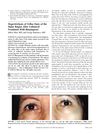
April 2004 in “American Journal of Ophthalmology” Using bimatoprost on one side of the face caused increased cheek hair growth in a patient.
 15 citations
,
March 2004 in “American Journal of Ophthalmology”
15 citations
,
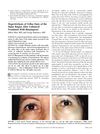
March 2004 in “American Journal of Ophthalmology” Using bimatoprost on one side of the face caused increased cheek hair growth in a patient.