25 citations
,
November 2015 in “Journal of Dermatological Science” Sebum helps protect human skin from microbes.
8 citations
,
January 2014 in “Indian Dermatology Online Journal” Trichostasis spinulosa is a common but often unnoticed skin condition involving bundled vellus hairs, especially in people with darker skin or UV exposure.
44 citations
,
January 2013 in “BMC Dermatology” TGFβ signaling prevents sebaceous gland cells from producing fats.
69 citations
,
August 1988 in “Journal of Investigative Dermatology”  April 2024 in “Journal of cutaneous pathology”
 Skin conditions like seborrheic dermatitis can make it harder to correctly diagnose hair loss because they can cause the oil glands in the skin to shrink.
22 citations
,
July 2016 in “Cellular and Molecular Life Sciences” Genetic changes in mice help understand skin and hair disorders, aiding treatment development for acne and hair loss.
 April 2019 in “The journal of investigative dermatology/Journal of investigative dermatology”
 DHT may reduce inflammation caused by certain bacteria in skin cells.
 1039 citations
,
February 2009 in “Nature Reviews Molecular Cell Biology”
1039 citations
,
February 2009 in “Nature Reviews Molecular Cell Biology” Skin stem cells are crucial for maintaining and repairing the skin and hair, using a complex mix of signals to do so.
 February 2026 in “International Journal of Molecular Sciences”
 Removing Lrig1-positive cells in mice leads to temporary loss of sebaceous glands.
5 citations
,
February 2015 in “Ophthalmic plastic and reconstructive surgery” Two new types of eyelid cysts were identified, each with different treatment challenges.
10 citations
,
January 1925 in “Archives of Dermatology” Trichostasis spinulosa is a rare skin condition with hair-filled plugs in hair follicles.
 3 citations
,
November 2018 in “Curēus”
3 citations
,
November 2018 in “Curēus” The cause and importance of misplaced oil glands in the hair follicle are not well understood.
 April 2023 in “Journal of Investigative Dermatology”
 MPZL3 protein helps control the size of oil glands and the growth of oil-producing cells in both mice and humans.
 50 citations
,
September 2014 in “Stem cell reports”
50 citations
,
September 2014 in “Stem cell reports” BLIMP1 is essential for skin maintenance but not for defining sebaceous gland progenitors.
 July 2013 in “Science-business Exchange”
 Blocking SEPT4 might help heal wounds and regrow hair faster.
 40 citations
,
June 2011 in “Journal of biological chemistry/The Journal of biological chemistry”
40 citations
,
June 2011 in “Journal of biological chemistry/The Journal of biological chemistry” FA2H is essential for normal fur and sebum production in mice.
53 citations
,
February 2015 in “Journal of Investigative Dermatology” Ceramide Synthase 4 is essential for normal hair growth and preventing hair loss.
2 citations
,
July 2018 in “Skin research and technology” Greasy hair spreads sebum twice as much as nongreasy hair over time.
 September 2019 in “Journal of Investigative Dermatology”
 The 3D-SeboSkin model effectively simulates Hidradenitis suppurativa and is useful for future research.
 12 citations
,
May 2001 in “British journal of dermatology/British journal of dermatology, Supplement”
12 citations
,
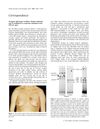
May 2001 in “British journal of dermatology/British journal of dermatology, Supplement” A rare benign skin tumor showed unusual features of sebaceous and sweat glands, important for correct diagnosis.
43 citations
,
April 2010 in “Developmental Biology” Sebaceous glands can form new hair follicles when activated, but hair follicle bulges cannot.
1 citations
,
February 1991 in “Journal of Biological Chemistry” 1 citations
,
January 1988 Topical DHEA safely increases skin oil production.
March 2025 in “Laboratory Investigation” MESTSV is a rare tumor that is mostly benign but needs long-term monitoring due to potential recurrence.
1 citations
,
January 2026 MicroRNA-200 prevents sebaceous gland development by inhibiting SOX9 and cell cycle progression.
July 2026 in “Journal of the American Academy of Dermatology” January 2022 in “Figshare” Autophagy helps mouse glands stay healthy, prevents early aging, and maintains their oil and scent production.
92 citations
,
March 2016 in “Developmental Cell” Zebrafish skin regeneration relies on cell behaviors and reactive oxygen species, with antioxidants reducing and hydrogen peroxide increasing regeneration.
14 citations
,
March 2014 in “Experimental and Molecular Pathology” Sulfur mustard damages hair follicles and sebaceous glands in mice.
January 2016 in “Institutional Repositories DataBase (IRDB)” Sebaceous glands help study fatty acid transporters and binding proteins.