 February 2010 in “Acta Obstetricia et Gynecologica Scandinavica”
 The issue covers reproductive health topics like cancer markers, incontinence treatments, and the impact of pre-term birth.
March 2008 in “The FASEB Journal” Neurosteroid withdrawal increases α4 subunit expression in the hippocampus, which may relate to catamenial epilepsy in women.
Antiepileptic drugs can cause cosmetic side effects and affect menstrual cycles, fertility, and bone health in women with epilepsy.
 January 1982 in “Clin-Alert”
 Some medications caused temporary health issues that improved after stopping the drugs, but two patients died from liver problems linked to carbamazepine.
 40 citations
,
December 2012 in “Epilepsia”
40 citations
,
December 2012 in “Epilepsia” Neurosteroids change how GABA_A receptors work in the brain, which could be important for treating temporal lobe epilepsy.
 13 citations
,
April 2019 in “Seizure”
13 citations
,
April 2019 in “Seizure” Valproic acid increases the risk of hair loss more than other drugs, especially in migraine patients, and lamotrigine may be a safer alternative.
 13 citations
,
November 2013 in “Seizure: European Journal of Epilepsy”
13 citations
,
November 2013 in “Seizure: European Journal of Epilepsy” Levetiracetam may cause hair loss, which can potentially reverse with lower doses or stopping the drug.
7 citations
,
May 2021 in “Seizure” Some antiseizure medications can cause cosmetic problems like hair loss, excessive hair growth, acne, and gum overgrowth.
March 2005 in “Medical Entomology and Zoology” Scoparone may help promote hair growth or address hair loss.
![2-Deoxy-2-[18F]Fluoro-D-Glucose Positron Emission Tomography/Computed Tomography](/images/assets/35fab163-57b7-4db8-b1e0-2929b51b2144/small/60162.jpg) January 2016 in “Electronic Theses of LMU Munich (Ludwig-Maximilians-Universität München)”
January 2016 in “Electronic Theses of LMU Munich (Ludwig-Maximilians-Universität München)” FDG PET/CT can improve cancer treatment plans in dogs.
 January 2006 in “Seibutsu Butsuri”
 Curly and straight hair differ in how their internal fibers are arranged.
 January 2005 in “Seibutsu Butsuri/Seibutsu butsuri”
 Chemical treatments damage hair more than UV exposure, making it thinner and less flexible.
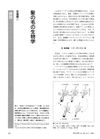 January 1998 in “KAGAKU TO SEIBUTSU”
 The document suggests that male hormones likely affect hair growth and baldness, and future treatments might involve stem cells and androgen-independent cells.
January 1994 in “SÖFW. Seifen, Öle, Fette, Wachse” Multiactive ingredients like panthenol and B-vitamins improve hair and skin health.
512 citations
,
February 2008 in “Science” Reactive oxygen species and calcium create a feedback loop that shapes root hair cells.
 83 citations
,
December 2001 in “Journal of Investigative Dermatology”
83 citations
,
December 2001 in “Journal of Investigative Dermatology” Minoxidil boosts hair growth by targeting adenosine and possibly sulfonylurea receptor 2B.
 77 citations
,
February 2017 in “Stem Cell Reports”
77 citations
,
February 2017 in “Stem Cell Reports” SHISA6 helps maintain certain stem cells in mouse testes by blocking signals that would otherwise cause them to differentiate.
76 citations
,
January 1998 in “Mammalian Genome” 66 citations
,
February 2007 in “The journal of investigative dermatology/Journal of investigative dermatology” Adenosine may promote hair growth by increasing FGF-7 levels in dermal papilla cells.
 61 citations
,
February 2001 in “American Journal of Obstetrics and Gynecology”
61 citations
,
February 2001 in “American Journal of Obstetrics and Gynecology” Metabolic syndrome and PCOS are related but separate conditions, with metabolic syndrome increasing the risk of heart disease and diabetes.
47 citations
,
October 1989 in “European Journal of Pediatrics” Two siblings stayed rickets-free for 14 years after stopping treatment.
46 citations
,
September 2023 in “Cell Reports” Sebaceous glands can regenerate after injury using stem cells from hair follicles.
40 citations
,
April 1999 in “Journal of Histochemistry & Cytochemistry” S100A3 protein is mainly found in specific parts of human hair cells.
36 citations
,
November 1990 in “The Journal of Dermatology” Dermal papillae enhance hair follicle growth and structure.
35 citations
,
January 2011 in “Journal of Biological Chemistry” sPLA2-X is crucial for normal hair growth and follicle health.
 31 citations
,
April 2007 in “Experimental Dermatology”
31 citations
,
April 2007 in “Experimental Dermatology” Stress in mice delays hair growth and treatments blocking substance P can partly reverse this effect.
24 citations
,
June 2015 in “Journal of Investigative Dermatology” aPKCλ is crucial for keeping hair follicle stem cells inactive and maintaining normal hair growth.
 23 citations
,
May 1998 in “Journal of Dermatological Science”
23 citations
,
May 1998 in “Journal of Dermatological Science” Insulin or IGF-I is needed for hair growth in newborn mice, while minoxidil helps adult mouse hair grow, suggesting a way to study human hair loss.
21 citations
,
August 2017 in “Journal of veterinary internal medicine” Combining amino acid and stem cell therapy may help manage hepatocutaneous syndrome in dogs.
 19 citations
,
May 2021 in “Clinical, Cosmetic and Investigational Dermatology”
19 citations
,
May 2021 in “Clinical, Cosmetic and Investigational Dermatology” Minoxidil and finasteride are the best for non-scarring hair loss; more research is needed for scarring hair loss treatments.