7 citations
,
April 1996 in “Archives of dermatological research” Topical tacalcitol can treat psoriasis by acting directly on skin cells.
 10 citations
,
July 2015 in “Current opinion in pediatrics, with evaluated MEDLINE/Current opinion in pediatrics”
10 citations
,
July 2015 in “Current opinion in pediatrics, with evaluated MEDLINE/Current opinion in pediatrics” New genes linked to ichthyosis were found, but there's still no cure; treatment options are improving.
2 citations
,
June 2008 in “University of Zagreb University Computing Centre (SRCE)” The cat's skin condition improved after stopping drugs and using iodine, confirming it was sterile neutrophilic dermatitis.
 3 citations
,
April 2015 in “Cleveland Clinic Journal of Medicine”
3 citations
,
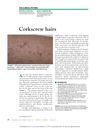
April 2015 in “Cleveland Clinic Journal of Medicine” The woman has scurvy and needs more vitamin C.
1 citations
,
August 2025 in “Molecules” Hederagenin shows promise for cancer and inflammation treatment but needs modifications to improve effectiveness.
5 citations
,
January 2012 in “Journal of nutrition & food sciences” The supplement improved hair, skin, and nails appearance and had long-term benefits.
21 citations
,
January 1997 in “Nephron” Silicon may affect calcium metabolism in dialysis patients, causing symptoms like skin eruptions and abnormal hair growth.
 October 2021 in “Acta Scientific Medical Sciences”
 A woman was diagnosed with a rare adrenal gland cancer that did not show usual hormone-related symptoms.
67 citations
,
April 2014 in “Biochemical Journal” Ceramide synthase 4 deficiency in mice leads to hair loss due to altered sebum lipids.
January 1994 in “Toxicological Sciences” Lower dosages of 2-(difluoromethyl)-dl-ornithine might reduce side effects, supporting further research.
January 2011 in “Archivio Istituzionale della Ricerca (Universita Degli Studi Di Milano)” New molecules can prevent cell death in hair follicles.
 September 2025 in “OBM Genetics”
 Early diagnosis and comprehensive management improve life quality for Netherton syndrome patients.
33 citations
,
March 1994 in “PubMed” High ODC and low K1 and K10 may indicate early skin tumors in mice.
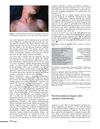
A boy on a ketogenic diet and anti-epileptic drugs developed skin issues due to stopping vitamin supplements, which improved with proper supplementation.
 2 citations
,
December 2019 in “Textile Research Journal”
2 citations
,
December 2019 in “Textile Research Journal” L-cysteine and ultrasound successfully improved rabbit hair fibers for industrial use.
4 citations
,
October 2001 in “Mycoses” A young cat had a rare fungal infection caused by Microsporum gypseum.
 April 2025 in “Dermatology Practical & Conceptual”
 Biopsy is crucial for accurately diagnosing EPDS to avoid mistaking it for SCC.
August 2004 in “Veterinary Dermatology” Cats with internal diseases can develop skin issues that may require specific treatments.
 July 2023 in “Current Issues in Molecular Biology”
 Escin may help treat hair loss by boosting a specific cell growth pathway.
51 citations
,
September 2012 in “Biomacromolecules” Disulfide bonds make keratin in hair stronger and tougher.

New pyridine compounds effectively inhibit GSK3, a diabetes treatment target.
 191 citations
,
November 1959 in “Annals of the New York Academy of Sciences”
191 citations
,
November 1959 in “Annals of the New York Academy of Sciences” Hair and wool have complex microscopic structures with microfibrils and varying cystine content.
 January 2023 in “Discovery medicine”
 Cepharanthine helps reduce cell aging caused by the cancer drug Doxorubicin by boosting cell cleanup processes.
1 citations
,
January 1984 32 citations
,
May 1999 in “Biochemical and Biophysical Research Communications” A new enzyme, BSSP, is found in high amounts in the hair follicles of nude mice.
1 citations
,
January 2013 Glucosylceramides are essential for healthy skin and proper wound healing.
20 citations
,
December 1995 in “Veterinary Dermatology” Yorkshire Terriers with Colour Dilution Alopecia have reduced melanin and hair structure issues.
16 citations
,
September 2019 in “Journal of biological chemistry/The Journal of biological chemistry” Mice without certain skin enzymes have faster hair growth and bigger eye glands.
6 citations
,
April 2012 in “Journal of Oral Pathology and Medicine” Rushton's hyaline bodies form from hair keratin and blood substances.
14 citations
,
July 2015 in “International Journal of Molecular Sciences” S-Methylmethionine sulfonium can protect skin from UVB damage.