 8 citations
,
February 2013 in “Central European Journal of Biology”
8 citations
,
February 2013 in “Central European Journal of Biology” Melanocytes are diverse cells important for pigmentation and skin health, influenced by genetics and environment.
 31 citations
,
April 2019 in “Cell reports”
31 citations
,
April 2019 in “Cell reports” Patient-derived melanocytes can potentially treat vitiligo by restoring skin pigmentation.
 30 citations
,
April 2013 in “Journal of Investigative Dermatology”
30 citations
,
April 2013 in “Journal of Investigative Dermatology” Radiation mainly affects keratinocyte stem cells, not melanocyte stem cells, causing hair to gray.
 24 citations
,
March 2018 in “Pigment Cell & Melanoma Research”
24 citations
,
March 2018 in “Pigment Cell & Melanoma Research” The environment around melanocyte stem cells is key for hair regeneration and color, with certain injuries affecting hair color and potential treatments for pigmentation disorders.
 April 2026 in “npj Regenerative Medicine”
 Melanocyte stem cells in hair follicles are key to understanding and potentially preventing hair graying.
 November 2025 in “EXPERIMENTAL ANIMALS”
 Stingless bee propolis may help regenerate hair follicles and improve pigment function in chemotherapy-induced hair loss.
 January 2025 in “American Journal of Stem Cells”
 Melanocyte stem cells hold promise for skin regeneration and treating pigmentation issues.
 April 2018 in “Journal of Investigative Dermatology”
 BMP signaling is important for skin color, affecting melanin production, pigment spread, and cell movement.
 27 citations
,
January 2002 in “Exogenous Dermatology”
27 citations
,
January 2002 in “Exogenous Dermatology” Chronic exposure to sunlight may worsen male pattern baldness and protecting the scalp from the sun could slow it down.
 9 citations
,
September 2009 in “Journal of Cutaneous Medicine and Surgery”
9 citations
,
September 2009 in “Journal of Cutaneous Medicine and Surgery” UV light causes skin color loss in bald areas; wear a cap and use sunscreen.
 99 citations
,
June 2005 in “Journal of Cosmetic Dermatology”
99 citations
,
June 2005 in “Journal of Cosmetic Dermatology” Hair ages due to genetics and environmental factors, leading to graying and thinning, with treatments available for some conditions.
 3 citations
,
October 2007 in “Expert Review of Dermatology”
3 citations
,
October 2007 in “Expert Review of Dermatology” Hair ages due to various factors and treatments like minoxidil and finasteride can help, but more research and better public awareness are needed.
November 2025 in “Journal of Investigative Dermatology” Alpha-MSH affects mitochondrial function, and MC1R mutations may increase skin aging.
 22 citations
,
February 2002 in “Clinics in Geriatric Medicine”
22 citations
,
February 2002 in “Clinics in Geriatric Medicine” Many elderly women experience unwanted facial hair and various hair loss conditions, with treatments available for each condition.
6 citations
,
November 2022 in “Antioxidants” OR2AT4 helps reduce aging and cell damage in human skin cells.
 2 citations
,
May 2018 in “Australasian Journal of Dermatology”
2 citations
,
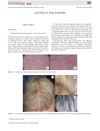
May 2018 in “Australasian Journal of Dermatology” Some patients' hair grew back black and white after chemotherapy.
41 citations
,
July 2016 in “Journal of Investigative Dermatology” Dysplastic nevi have unique gene expressions, making them distinct from common melanocytic nevi.
26 citations
,
February 2022 in “Journal of pineal research” Melatonin affects skin and hair color and protects skin cells, with potential benefits for hair growth and skin health.
 February 2024 in “Journal of Investigative Dermatology”
 Deleting NIPP1 in mouse skin cells causes early aging and chronic skin issues.
 75 citations
,
January 2009 in “International journal of trichology”
75 citations
,
January 2009 in “International journal of trichology” Hair grays due to oxidative stress and fewer functioning melanocytes.
 12 citations
,
September 2018 in “International Journal of Cosmetic Science”
12 citations
,
September 2018 in “International Journal of Cosmetic Science” Palmitoyl tetrapeptide-20 may help reduce hair greying and increase melanin production.
 November 2024 in “Aging Cell”
 Removing senescent cells can improve hair growth and regeneration.
 126 citations
,
January 2009 in “International Journal of Trichology”
126 citations
,
January 2009 in “International Journal of Trichology” Oxidative stress contributes to hair graying and loss as we age.
 122 citations
,
April 1995 in “Journal of Cutaneous Pathology”
122 citations
,
April 1995 in “Journal of Cutaneous Pathology” The document describes how to tell different types of non-scarring hair loss apart by looking at hair and scalp tissue under a microscope.
 38 citations
,
June 2017 in “The Journal of Dermatology”
38 citations
,
June 2017 in “The Journal of Dermatology” Aging in hair follicle stem cells leads to hair graying, thinning, and loss.
 20 citations
,
January 2015 in “Current problems in dermatology”
20 citations
,
January 2015 in “Current problems in dermatology” Graying hair happens due to aging and might be delayed by new treatments.
 3 citations
,
May 2021 in “Dermatologic Clinics”
3 citations
,
May 2021 in “Dermatologic Clinics” The document concludes that more research is needed to understand hair loss in men and to find new treatments.
 1 citations
,
September 2013 in “Elsevier eBooks”
1 citations
,
September 2013 in “Elsevier eBooks” Hair ages and thins due to factors like inflammation and stress, and treatments like antioxidants and hormones might improve hair health.
 March 2026 in “BioScience Trends”
 UV radiation causes skin aging by damaging cells and triggering harmful processes.
 February 2026 in “Journal of Regenerative Medicine and Biology Research”
 Exosomes show promise for anti-aging and regenerative treatments.