January 2022 in “Clinical Cases in Dermatology” A woman has a permanent hair loss condition treated with steroids and new medicines, but hair might not regrow.
 63 citations
,
October 2011 in “Archives of Dermatology”
63 citations
,
October 2011 in “Archives of Dermatology” Isolated long hairs at the original hairline can help diagnose Frontal Fibrosing Alopecia.
21 citations
,
September 2013 in “Pediatric Dermatology” Growth hormone therapy can improve growth in Netherton syndrome patients with growth hormone deficiency.
IL6 is linked to higher risk of heart disease in people with a certain mouth condition.

Early recognition and a multidisciplinary approach are crucial for effectively managing complex autoimmune conditions like SLE with CAPS and AHA.
 1 citations
,
September 2011 in “Journal of Dermatology”
1 citations
,
September 2011 in “Journal of Dermatology” A woman with a new PTCH gene mutation has both Gorlin syndrome and severe hair loss.
 30 citations
,
January 2021 in “Journal of Clinical Immunology”
30 citations
,
January 2021 in “Journal of Clinical Immunology” FOXN1 mutations can cause varying immune and physical issues, with severity influenced by gene activity and possibly other factors.
 6 citations
,
December 2004 in “Anais Brasileiros de Dermatologia”
6 citations
,
December 2004 in “Anais Brasileiros de Dermatologia” Some family members had a condition with both loose hair and unique eye changes, possibly indicating a new type of ectodermal dysplasia.
 June 2023 in “International Journal of Research in Medical Sciences”
 Two brothers from Bangladesh were diagnosed with X-linked adrenoleukodystrophy, showing neurological and adrenal symptoms.
 January 2024 in “Brazilian journal of veterinary pathology”
 The dog likely has a condition similar to Canine alopecia X.
 1 citations
,
May 2024 in “Cureus”
1 citations
,
May 2024 in “Cureus” Lichen planopilaris can unusually affect only the face, causing pigmentation and scarring.
July 2024 in “Journal of Investigative Dermatology” A KLK5 inhibitor effectively improved skin symptoms in a mouse model of Netherton Syndrome.
 1 citations
,
November 2021 in “Advances in Dermatology and Allergology”
1 citations
,
November 2021 in “Advances in Dermatology and Allergology” Most patients with cutaneous lupus erythematosus in Bangladesh are young women, with chronic forms and photosensitivity being common.
 June 2023 in “GSC Advanced Research and Reviews”
 Hutchinson-Gilford Progeria Syndrome causes rapid aging from a genetic mutation, with no cure but ongoing research into potential treatments.
 October 2024 in “Reumatizam”
 New treatments and understanding of skin lupus are emerging in 2024.
35 citations
,
July 1977 in “PubMed” SLE affects lungs and kidneys similarly due to immune complexes.
September 2022 in “Indian Journal of Paediatric Dermatology” Clouston syndrome is inherited in an autosomal dominant pattern and caused by a specific gene mutation, with no current treatment available.
4 citations
,
October 2023 in “Children” Early diagnosis and comprehensive care are crucial for managing Focal Dermal Hypoplasia's complex symptoms.
1 citations
,
January 2015 in “Journal of Arthritis” Lupus pneumonitis can mimic tuberculosis and should be considered in diagnoses.
27 citations
,
June 2020 in “Genes” Lykoi cats' unique sparse hair is linked to specific genetic variants in the Hairless gene.
18 citations
,
July 2001 in “International Journal of Dermatology” A 12-year-old boy's hair loss and skin issues improved significantly with medication.
 April 2017 in “Journal of Investigative Dermatology”
 A boy with Oculodentodigital syndrome had a unique GJA1 gene mutation causing his symptoms.
May 2021 in “Biomedical Journal of Indonesia” Lupus hepatitis can affect male SLE patients and is treatable with specific medications.
Discoid Lupus Erythematosus is more common in women aged 31-40, often worsened by sunlight, and confirmed by specific lab tests.
 5 citations
,
November 2021 in “Saudi medical journal”
5 citations
,
November 2021 in “Saudi medical journal” The document reports three sisters with Woodhouse-Sakati syndrome showing typical symptoms and unusual gynecological anomalies.
January 2026 in “Clinical Case Reports” Early diagnosis and treatment of Lichen Planopilaris are crucial to prevent permanent hair loss.
 September 2018 in “International Journal of Dermatology”
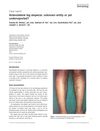
 Anterolateral leg alopecia is a benign, nonprogressive hair loss condition on the lower legs that is not well understood and may resolve on its own.
 46 citations
,
January 2015 in “Pediatric Rheumatology”
46 citations
,
January 2015 in “Pediatric Rheumatology” Skin symptoms are important for diagnosing and managing juvenile-onset systemic lupus erythematosus and usually get better with treatment.
June 2026 in “Dermatology” Frontal fibrosing alopecia has a higher remission rate than lichen planopilaris.
March 2023 in “Journal of Pakistan Association of Dermatologists” Long-term use of topical steroids can cause rosacea, but switching treatments can improve symptoms.