September 2016 in “Journal of dermatological science” HAP stem cells can repair nerves and spinal cords by becoming Schwann cells.
 February 2023 in “bioRxiv (Cold Spring Harbor Laboratory)”
 Merkel cells stabilize nerve endings in the skin, and they change independently of each other.
September 2004 in “Experimental Dermatology” The model effectively studies how sensory nerves interact with skin components, aiding research on wound healing and hair growth.
9 citations
,
September 2009 in “PubMed” Antigen presenting cells around hair follicles are crucial in SLE-related hair loss.

Male goat smell increases reaction in young female goats' noses but doesn't cause them to start puberty early.
29 citations
,
April 2017 in “Macromolecular bioscience” Scientists created tiny pH-sensing gels that can safely measure the pH levels inside hair follicles.
 January 1995 in “Equilibrium Research”
 Birds can regenerate inner ear hair cells from supporting cells, and mammals show potential for similar regeneration.
 28 citations
,
March 2016 in “Toxicologic pathology”
28 citations
,
March 2016 in “Toxicologic pathology” Dogs could be good models for studying human hair growth and hair loss.
 16 citations
,
December 2006 in “Expert Review of Dermatology”
16 citations
,
December 2006 in “Expert Review of Dermatology” Hair follicles are essential for skin health, aiding in hair growth, wound healing, and immune function.
 5 citations
,
September 2015 in “PLoS ONE”
5 citations
,
September 2015 in “PLoS ONE” Gelfoam® histoculture supports long-term hair and nerve growth in mouse whisker follicles.
 1 citations
,
October 2022 in “Annual review of cell and developmental biology”
1 citations
,
October 2022 in “Annual review of cell and developmental biology” The nervous system helps control stem cell behavior and immune responses, affecting tissue repair and maintenance.
 29 citations
,
March 2011 in “The Journal of Nutritional Biochemistry”
29 citations
,
March 2011 in “The Journal of Nutritional Biochemistry” Eating isoflavone can help mice grow hair by increasing a growth factor.
January 2015 in “Chinese Veterinary Science” Recognizing ultrastructures of cashmere goat hair follicles helps identify and locate follicle layers.
 September 2024 in “Journal of the American Academy of Dermatology”
 Oxytocin receptors are found in skin cells near touch and pain neurons.
November 2025 in “Biomedicine & Pharmacotherapy” Calcium blockers may help prevent hearing loss by protecting hair cells.
 April 2018 in “Journal of Investigative Dermatology”
 STIM1 is essential for sweat secretion.
34 citations
,
July 2006 in “The Journal of Comparative Neurology” Increasing neurotrophin 4 in skin boosts nerve endings but not sensory neuron count.
 77 citations
,
June 2007 in “PLoS ONE”
77 citations
,
June 2007 in “PLoS ONE” Birds can regenerate inner ear cells using specific gene pathways, unlike mammals.
 28 citations
,
January 2011 in “Hearing Research”
28 citations
,
January 2011 in “Hearing Research” Gene therapy, especially using atoh1, shows promise for creating functional sensory hair cells in the inner ear, but dosing and side effects need to be managed for clinical application.
 84 citations
,
June 2013 in “Stem Cells Translational Medicine”
84 citations
,
June 2013 in “Stem Cells Translational Medicine” New methods for skin and nerve regeneration can improve healing and feeling after burns.
 15 citations
,
May 2003 in “The Laryngoscope”
15 citations
,
May 2003 in “The Laryngoscope” FGF-1 causes spiral ganglion neurites to branch more.
79 citations
,
November 2010 in “Journal of Neuroscience” Hair clipping can trigger axon growth and changes in the skin.
 124 citations
,
December 2016 in “Pharmaceuticals”
124 citations
,
December 2016 in “Pharmaceuticals” TRP channels in the skin are important for sensation and health, and targeting them could help treat skin disorders.
 April 2021 in “Journal of Investigative Dermatology”
 Bacteria can help skin regenerate through a process called IL-1β signaling.
January 2011 in “Hispania Judaica bulletin” Mechanical forces are crucial for hair regeneration in skin organoids.

Skin stem cells in hair follicles are important for touch sensation.

Hair follicle stem cells are crucial for touch sensation and proper nerve structure in mice.
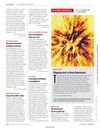
Activin A increases inner ear hair cell development, while follistatin decreases it.
33 citations
,
January 2000 in “Acta Oto-Laryngologica” Epidermal growth factor increases extra hair cells in newborn rat ears.
 2 citations
,
September 2022 in “Organoid”
2 citations
,
September 2022 in “Organoid” A new method was developed to efficiently grow skin hair follicles from stem cells, potentially aiding alopecia treatment.