 November 2023 in “ACS Omega”
 New liposome treatment successfully delivers CRISPR to deactivate a key enzyme in androgen-related disorders.
37 citations
,
February 2023 in “Gut Microbes” Gut bacteria can lower androgen levels in male mice.
 2 citations
,
July 2021 in “Uro”
2 citations
,
July 2021 in “Uro” Saw palmetto extract is generally safe and can effectively treat Lower Urinary Tract Symptoms, but its evaluation is affected by varying quality and a need for long-term studies.
 February 2017 in “Cancer Causes & Control”
 Swedish men with the E213 A-allele of the androgen receptor have a lower risk of prostate cancer.
 32 citations
,
April 2006 in “The Journal of Urology”
32 citations
,
April 2006 in “The Journal of Urology” Using finasteride with TIP extends time off period for prostate cancer patients.
 April 2010 in “The Journal of Urology”
 Human prostate cells produce more WISP1/CCN4 when there's not enough oxygen.
 August 2008 in “Current Opinion in Internal Medicine”
 In 2007, prostate cancer research improved understanding of risk, diagnosis, and treatment, but also showed heart risks with certain therapies and the need for personalized care.
 February 2012 in “Expert Review of Endocrinology & Metabolism”
 The document suggests more research is needed to understand the link between baldness and prostate cancer.
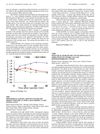 March 2010 in “The Journal of Urology”
 Hair loss, prostate size, and urinary issues are related due to androgen effects.
 49 citations
,
August 2009 in “British Journal of Cancer”
49 citations
,
August 2009 in “British Journal of Cancer” Finasteride might lower the risk of low-grade prostate cancer but not high-grade cancer, while alpha-blockers might reduce high-grade cancer risk.
 9 citations
,
September 2010 in “Dermatologic Therapy”
9 citations
,
September 2010 in “Dermatologic Therapy” Finasteride for hair loss is safe and does not increase the risk of high-grade prostate cancer.
 1 citations
,
January 2020 in “Skin appendage disorders”
1 citations
,
January 2020 in “Skin appendage disorders” Finasteride is safe for hair loss treatment and doesn't increase high-grade prostate cancer risk.
 November 2012 in “The Journal of Urology”
 Certain gene variants may raise the risk of prostate enlargement, but taking NSAIDs could reduce this risk.
 78 citations
,
August 2012 in “Human molecular genetics online/Human molecular genetics”
78 citations
,
August 2012 in “Human molecular genetics online/Human molecular genetics” A new gene, JMJD1C, may affect testosterone levels in men.
 22 citations
,
August 2014 in “Clinical endocrinology”
22 citations
,
August 2014 in “Clinical endocrinology” Taking finasteride for benign prostate hyperplasia may increase the risk of osteoporosis, especially at higher doses.
 6 citations
,
January 2016 in “Evidence-based complementary and alternative medicine”
6 citations
,
January 2016 in “Evidence-based complementary and alternative medicine” Saw palmetto supplements may reduce prostate cancer cell growth without being toxic.
 3 citations
,
December 2016 in “Canadian Urological Association journal”
3 citations
,
December 2016 in “Canadian Urological Association journal” Men with more advanced male pattern baldness have a higher risk of prostate cancer and more severe disease.
 1 citations
,
January 2019 in “PubMed”
1 citations
,
January 2019 in “PubMed” Baldness score can't be used to predict prostate size.
 June 2006 in “American Journal of Epidemiology”
 Higher BMI is linked to a lower risk of non-aggressive prostate cancer and a higher risk of aggressive prostate cancer.
 37 citations
,
April 2008 in “The Cochrane library”
37 citations
,
April 2008 in “The Cochrane library” 5-alpha-reductase inhibitors can lower prostate cancer risk but may increase high-grade tumors and cause sexual side effects.
 6 citations
,
October 2007 in “Medical Hypotheses”
6 citations
,
October 2007 in “Medical Hypotheses” Male pattern baldness might have evolved to help protect against prostate cancer by increasing UV radiation on the scalp.
 November 2005 in “The Journal of Urology”
 Dutasteride may lower the chance of finding prostate cancer in men with enlarged prostates.
 28 citations
,
January 2003 in “Urologic oncology”
28 citations
,
January 2003 in “Urologic oncology” Suppressing certain hormones might help prevent prostate cancer.
 75 citations
,
January 2014 in “Korean Journal of Urology”
75 citations
,
January 2014 in “Korean Journal of Urology” 5α-reductase inhibitors can cause sexual problems, higher risk of aggressive prostate cancer, and depression.
 28 citations
,
September 2014 in “Journal of Clinical Oncology”
28 citations
,
September 2014 in “Journal of Clinical Oncology” Men with baldness at the front and top of their head at age 45 may have a higher risk of aggressive prostate cancer.
 5 citations
,
August 2018 in “Sexual Medicine Reviews”
5 citations
,
August 2018 in “Sexual Medicine Reviews” 5α-Reductase inhibitors do not consistently increase testosterone levels in the blood.

Certain plasma proteins are linked to prostate cancer risk and could help in early detection and treatment.
 April 2017 in “Austin Journal of Cancer and Clinical Research”
 5α-reductase inhibitors like Finasteride and Dutasteride may help manage prostate cancer by blocking testosterone conversion.
 April 2012 in “The Journal of Urology”
 More prostate biopsies increase the chance of finding cancers that may not need treatment.
 6 citations
,
March 2015 in “Journal of Endocrinological Investigation”
6 citations
,
March 2015 in “Journal of Endocrinological Investigation” Taking both finasteride and dutasteride for prostate issues may raise the risk of heart problems.