 82 citations
,
May 2009 in “Development”
82 citations
,
May 2009 in “Development” EGF and KGF signalling prevent hair follicle formation and promote skin cell development in mice.
49 citations
,
March 2012 in “Journal of Pharmacology and Experimental Therapeutics” Neurosteroids help reduce seizures, but their withdrawal increases seizure activity.

Proper niche formation in Drosophila requires Slit-Robo signaling for cell migration.
99 citations
,
September 2004 in “Development” Proper hedgehog signaling is crucial for maintaining healthy skin stem cells.
5 citations
,
February 2014 in “PloS one” Eyelid cells share signaling components but differ in pathway activity.
178 citations
,
June 1994 in “Journal of Investigative Dermatology” Alopecia areata in these mice is inherited, more common in young females, and can be treated with triamcinolone acetonide.
June 2026 in “Journal of Investigative Dermatology”  23 citations
,
June 2012 in “PLOS ONE”
23 citations
,
June 2012 in “PLOS ONE” KLF4 is important for maintaining skin stem cells and helps heal wounds.
 September 2019 in “The journal of investigative dermatology/Journal of investigative dermatology”
 Tet1/2/3 enzymes affect hair follicle cell development by influencing BMP signaling.
 6 citations
,
April 2017 in “Experimental dermatology”
6 citations
,
April 2017 in “Experimental dermatology” CD80CD86 deficiency causes hair loss by disrupting regulatory T cells.
30 citations
,
January 2013 in “Human Mutation” A mutation in the HOXC13 gene causes hair and nail problems in a Syrian family.
 17 citations
,
February 2015 in “Cell Death and Disease”
17 citations
,
February 2015 in “Cell Death and Disease” Inhibiting AP1 in mice skin causes structural changes and weakens the skin barrier.
July 2025 in “Journal of Investigative Dermatology” TRIV-509 quickly improves skin barrier and cell health in atopic dermatitis.
6 citations
,
December 2022 in “International Journal of Molecular Sciences” EZH2 is crucial for uterine gland development and female fertility.
December 2025 in “Biology” Male and female mice handle stress differently.
49 citations
,
September 2016 in “Genes Brain & Behavior” Zfp462 deficiency in mice causes anxiety-like behaviors and excessive self-grooming.
 5 citations
,
June 2012 in “The journal of investigative dermatology/Journal of investigative dermatology”
5 citations
,
June 2012 in “The journal of investigative dermatology/Journal of investigative dermatology” Putting thymidine dinucleotide on newborn mice's skin can delay and reduce skin cancer.
34 citations
,
March 2009 in “Journal of Investigative Dermatology” Proteomic analysis can identify genetic differences in mouse hair, helping understand hair defects and variations.
39 citations
,
September 2018 in “American Journal of Medical Genetics Part A” A new genetic mutation in the ODC1 gene causes developmental delay and other symptoms in a young girl.
 April 2016 in “Journal of Investigative Dermatology”
 Sonic hedgehog signaling is needed for the development of touch-receptor cells in the skin, and the loss of Polycomb repressive complex 2 can lead to more of these cells.
 43 citations
,
February 2013 in “Developmental dynamics”
43 citations
,
February 2013 in “Developmental dynamics” Foxi3 expression in developing teeth and hair is controlled by the ectodysplasin pathway.

Shh and Dhh affect skin development and can cause tumors, while Ihh does not.
11 citations
,
January 2005 in “Brazilian Journal of Medical and Biological Research” Hairless USP mice have enlarged skin cysts as they age.
24 citations
,
January 2018 in “Development” Frizzled 3 and Frizzled 6 together control the orientation of mouse hair follicles.
 August 2019 in “Journal of Investigative Dermatology”
 Frog skin cells need the protein desmoplakin for proper development and cell layer formation.
9 citations
,
July 2007 in “Circulation Research” Defects in certain proteins cause major heart abnormalities during early development.
 6 citations
,
February 2013 in “Journal of Visualized Experiments”
6 citations
,
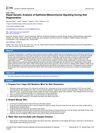
February 2013 in “Journal of Visualized Experiments” The method quickly analyzes hair growth genes and shows that blocking Smo in skin cells stops hair growth.
29 citations
,
December 2022 in “Journal of Nanobiotechnology” Stem cell vesicles reduced eczema symptoms in mice safely.
 December 2023 in “Journal of nutritional science and vitaminology”
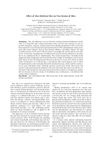
 A zinc-deficient diet stunted growth and affected organs in mice, with C57BL/6J mice showing more severe symptoms.
1 citations
,
January 2014 in “PubMed” Certain substances can decrease or increase exploratory behavior in rodents.