 25 citations
,
July 2024 in “Frontiers in Pharmacology”
25 citations
,
July 2024 in “Frontiers in Pharmacology” Rimegepant causes more nausea and skin issues, while ubrogepant causes more muscle issues; personalized treatment is important.
July 2024 in “Journal of Investigative Dermatology” Brepocitinib improves cicatricial alopecia and reduces key immune markers.
 May 2021 in “Letters in Applied NanoBioScience”
 Pranlukast and mirabegron may work as new diabetes drugs.
August 2025 in “Journal of the American Academy of Dermatology”  5 citations
,
October 2020 in “Brain Research Bulletin”
5 citations
,
October 2020 in “Brain Research Bulletin” Etifoxine, an anxiety drug, can lessen brain inflammation and cognitive issues in mice, partly by increasing production of protective brain steroids.
4 citations
,
July 2024 in “Pharmacology Research & Perspectives” Ritlecitinib is safe and may effectively treat alopecia areata.
18 citations
,
December 2005 in “Journal of Medicinal Chemistry” A brominated phenoxy compound effectively inhibits a human enzyme and shows potential for clinical use.
10 citations
,
August 2019 in “European Journal of Dermatology” The document did not conclude on apremilast's effectiveness for severe alopecia areata.
 April 2016 in “Journal of Investigative Dermatology”
 A peptide known for reducing wrinkles also effectively inhibits an enzyme linked to skin inflammation and acne.
 February 2026 in “Indian Journal of Dermatology”
 Upadacitinib may effectively treat twenty-nail dystrophy without causing pain.
September 2023 in “Journal of the American Academy of Dermatology” Oral difelikefalin significantly reduces itch in notalgia paresthetica.
July 2024 in “Journal of Investigative Dermatology” INTASYL is a promising, adaptable RNAi technology for treating skin cancers.
Baricitinib may effectively treat oral lichen planus.
 1 citations
,
September 2022 in “Sudan Journal of Medical Sciences”
1 citations
,
September 2022 in “Sudan Journal of Medical Sciences” Danoprevir, remdesivir, and saridegib may effectively inhibit SARS-CoV-2.
3 citations
,
May 2024 in “Indian Journal of Dermatology” Tofacitinib can cause a rare rash called SDRIFE, which resolves after stopping the drug.
August 2024 in “Postgraduate Medical Journal” A rare skin reaction from cancer treatment was successfully managed with topical treatments and antihistamines.
16 citations
,
November 2018 in “The journal of pain/Journal of pain” 14,15-EET may help reduce poststroke pain by affecting certain brain proteins.
8 citations
,
June 2004 in “Journal of Investigative Dermatology” Certain peptides can prevent hair loss in young rats caused by a cancer drug.
20 citations
,
December 2021 in “Journal of the American Academy of Dermatology” Continuous treatment with ritlecitinib and brepocitinib is needed to maintain hair regrowth in alopecia areata.
 5 citations
,
September 2011 in “Bioorganic & Medicinal Chemistry Letters”
5 citations
,
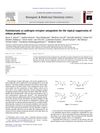
September 2011 in “Bioorganic & Medicinal Chemistry Letters” Pfizer found that pantolactam-based compounds can reduce sebum (skin oil) production when applied topically.
 June 2019 in “International journal of dermatology and venereology”
 A man developed skin issues from cancer medication, which improved with specific treatments.
April 2020 in “The FASEB journal” Poncirin is a promising inhibitor of Janus Kinase 3, potentially better than tofacitinib.
January 2026 in “Medicina” JAK inhibitors show promise for treating various skin disorders effectively and safely.
7 citations
,
January 2025 in “Journal of Experimental & Clinical Cancer Research” PRMT5 inhibitors effectively fight adenoid cystic carcinoma in salivary glands.
14 citations
,
October 2015 in “Neurochemistry International” Letrozole may help prevent seizures by reducing certain hormone levels.
35 citations
,
November 1989 in “Journal of steroid biochemistry/Journal of Steroid Biochemistry” Epitestosterone may act as a weak antiandrogen and can inhibit an enzyme involved in testosterone metabolism.
Upadacitinib effectively treated a patient with multiple inflammatory conditions.
46 citations
,
April 1982 in “Journal of the American Academy of Dermatology” Isotretinoin shrinks sebaceous glands without affecting hair or skin color, unlike etretinate.
11 citations
,
November 2011 in “Neuroreport” Paroxetine relieves pain by increasing allopregnanolone levels.