 April 2024 in “Frontiers in pharmacology”
 Brepocitinib 30mg is most effective for moderate-to-severe alopecia areata, but ritlecitinib 50mg may offer a better balance of safety and effectiveness.
 March 2024 in “Clinical and experimental dermatology”
 Topical corticosteroids may be a safe and effective treatment for severe alopecia areata in children.
November 2023 in “Journal of Investigative Dermatology” The study identified key immune cell differences between mild and severe alopecia areata.
 June 2023 in “Skin Research and Technology”
 High-resolution MRI can distinguish between tertiary androgenetic alopecia and severe alopecia areata by measuring scalp and tissue thickness and hair follicle depth.
 June 2023 in “Journal of cosmetic dermatology”
 Both DPCP alone and with PRP are effective and safe for treating severe alopecia areata.
 January 2023 in “Annals of dermatology/Annals of Dermatology”
 A substance called miR-1246 may help treat severe hair loss by reducing certain immune cell activities.
 3 citations
,
June 2023 in “Journal of dermatological treatment”
3 citations
,
June 2023 in “Journal of dermatological treatment” Regrowing scalp hair improves quality of life and reduces anxiety and depression in severe alopecia areata patients.
2 citations
,
October 2025 in “Frontiers in Medicine” Deuruxolitinib effectively improves hair regrowth in alopecia areata but requires monitoring for side effects.
 1 citations
,
September 2023 in “Journal of the American Academy of Dermatology”
1 citations
,
September 2023 in “Journal of the American Academy of Dermatology” Baricitinib helps regrow hair and improves quality of life and mental health in severe alopecia areata patients.
October 2025 in “Figshare” Deuruxolitinib effectively treats alopecia areata but may cause manageable side effects.
2 citations
,
January 2025 in “Allergy” Having asthma, atopic dermatitis, or Hashimoto's thyroiditis increases the risk of severe and long-lasting alopecia areata.
April 2022 in “Journal of evolution of medical and dental sciences” Intralesional triamcinolone acetonide is more effective but has a higher relapse rate than platelet-rich plasma for treating alopecia areata.
 April 2016 in “Journal of The American Academy of Dermatology”
 People with certain allergic conditions or higher white blood cell counts have more severe hair loss, and treating hair and nail side effects early in melanoma therapy can improve quality of life.
2 citations
,
October 1990 in “PubMed” Severe alopecia areata involves higher levels of certain immune cells, which can be normalized with betamethasone.
 January 2025 in “International Journal of Dermatology Sciences”
 Nail changes in alopecia areata are common and may indicate severity and genetic risk.
 June 2023 in “British journal of dermatology/British journal of dermatology, Supplement”
 Patients with alopecia areata face challenges accessing Janus kinase inhibitors, but some see positive results.
 20 citations
,
June 2011 in “ISRN Dermatology (Print)”
20 citations
,
June 2011 in “ISRN Dermatology (Print)” A woman lost most of her hair due to an allergic reaction to a hair dye ingredient.
 November 2023 in “Annales de dermatologie et de vénéréologie, FMC”
 Baricitinib effectively treats severe alopecia for up to 104 weeks.
15 citations
,
March 2023 in “BioMed” MIS-A is a severe complication after COVID-19, mostly in young black males, needing more research and awareness.
December 2022 in “IntechOpen eBooks” 308 excimer phototherapy is a safe and effective way to treat hair loss from Alopecia Areata.
 4 citations
,
January 2022 in “Drug design, development and therapy”
4 citations
,
January 2022 in “Drug design, development and therapy” Intramuscular corticosteroids are effective and safe for severe alopecia areata, with most patients regrowing hair, but nearly half may relapse.
 January 2025 in “SKIN The Journal of Cutaneous Medicine”
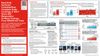
 Baricitinib significantly regrows hair in severe alopecia areata patients.
November 2024 in “SKIN The Journal of Cutaneous Medicine” Patients with anxiety or depression report more severe alopecia areata.
 March 2024 in “Frontiers in endocrinology”
 A new MTX2 gene mutation caused a severe genetic disorder in a young Chinese girl.
April 2023 in “The Egyptian Journal of Hospital Medicine” Higher Interleukin 17A levels may indicate more severe alopecia areata.
1 citations
,
November 2023 in “Indian Dermatology Online Journal” Severe itching from shingles can cause hair loss due to rubbing.
 February 2026 in “International Journal of Homoeopathic Sciences”
 Homeopathy helped regrow hair in a severe hair loss case.
 January 2023 in “Sibirskij medicinskij vestnik”
 Women with PCOS are more vulnerable to severe COVID-19 and related health issues.
1 citations
,
January 2024 in “Journal of clinical medicine” Early recognition and treatment of tinea capitis are crucial to prevent severe scalp issues and prolonged therapy.
 1 citations
,
August 2022 in “International journal of women’s dermatology”
1 citations
,
August 2022 in “International journal of women’s dermatology” Botox injections may be a safe and effective way to treat severe, itchy skin disease when other treatments fail.