 January 1989 in “Clinical and Experimental Dermatology”
 The symposium concluded that hair growth involves complex processes, including the hair follicle life cycle, the role of the dermal papilla, hair strength, pigmentation, and the impact of diseases and treatments like minoxidil on hair and skin.
 September 1983 in “Journal of The American Academy of Dermatology”
 Experts discussed hair care, genetic hair defects, hair loss treatments, nail surgery, lupus treatments, skin infections, and cosmetic allergies.
 April 1906 in “The American Journal of the Medical Sciences”
 Keratosis Pilaris Atrophicans causes skin scarring and might be treated with a new synthetic retinoid.
 January 2026 in “Journal of Biosciences and Medicines”
 Chronic kidney disease can cause skin issues that need early recognition and combined treatment for better outcomes.
 July 2024 in “Biological and Clinical Sciences Research Journal”
 Hormonal therapy for transgender individuals carries health risks but is a personal choice.

Doctors should consider Netherton syndrome in patients with chronic skin and hair issues to avoid misdiagnosis.
 October 2020 in “Veterinary Dermatology”
 New treatments and diagnostic methods for various animal skin conditions showed promising results.

Botulinum toxin type A significantly reduces scalp psoriasis severity compared to placebo.
 January 2007 in “Elsevier eBooks”
 Alopecia areata is a reversible, autoimmune-related hair loss that can have significant emotional impact and uncertain treatment effectiveness.
 July 2003 in “British Journal of Dermatology”
 Some skin conditions are associated with other serious diseases, and office microscopy may miss many fungal infections.
 March 2020 in “Journal of the turkish academy of dermatology”
 There's no significant link between blood fat levels and male pattern baldness.
 February 2009 in “Journal of The American Academy of Dermatology”
 Female hair loss can be diagnosed using specific trichoscopy criteria.
 January 2021 in “International Journal of Dermatology”
 Possible link between COVID-19 and hair loss; more research needed.
 17 citations
,
January 2010 in “International journal of trichology”
17 citations
,
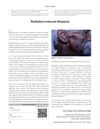
January 2010 in “International journal of trichology” A man experienced hair loss from radiotherapy, which can be temporary or permanent depending on radiation dose, with potential treatments available.
 16 citations
,
December 2016 in “Skin appendage disorders”
16 citations
,
December 2016 in “Skin appendage disorders” Nickel, cobalt, balsam of Peru, fragrance mix, carba mix, and propylene glycol are common allergens causing scalp contact dermatitis.
 11 citations
,
November 2005 in “The Journal of Dermatology”
11 citations
,
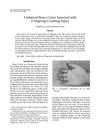
November 2005 in “The Journal of Dermatology” A man's crushed thumb caused unusual horizontal nail ridges on all fingers of one hand.
 1 citations
,
March 2019 in “Actas Dermo-Sifiliográficas”
1 citations
,
March 2019 in “Actas Dermo-Sifiliográficas” New cancer treatments are less harmful to hair but can still cause hair loss, color, shape, and growth changes.
New methods improve skin disease diagnosis and treatment.

COVID-19 can cause skin problems and affect dermatology treatments, with recommendations for skin care and cautious use of certain drugs.
 49 citations
,
April 2000 in “Journal of The American Academy of Dermatology”
49 citations
,
April 2000 in “Journal of The American Academy of Dermatology” Despite progress in treatment, the exact cause of Alopecia areata is still unknown.
 41 citations
,
September 2018 in “Australasian journal of dermatology”
41 citations
,
September 2018 in “Australasian journal of dermatology” No systemic treatment for alopecia areata has strong evidence of effectiveness.
 28 citations
,
December 2019 in “Skin appendage disorders”
28 citations
,
December 2019 in “Skin appendage disorders” Some medications might reverse gray hair, especially those that reduce inflammation or stimulate pigment production, and vitamin B might help.
 27 citations
,
December 2015 in “Clinical and Experimental Dermatology”
27 citations
,
December 2015 in “Clinical and Experimental Dermatology” Diphencyprone helped most patients with alopecia areata regrow some hair.
 15 citations
,
October 2016 in “Journal of dermatological treatment”
15 citations
,
October 2016 in “Journal of dermatological treatment” Proper hair care can prevent and stop hair breakage in people with acquired trichorrhexis nodosa.
 15 citations
,
September 2015 in “Journal der Deutschen Dermatologischen Gesellschaft”
15 citations
,
September 2015 in “Journal der Deutschen Dermatologischen Gesellschaft” Skin doctors should recognize and treat conditions like hair-pulling and skin-picking early, often using therapy and medication, to help 50-70% of patients.
 14 citations
,
March 2012 in “Lasers in Surgery and Medicine”
14 citations
,
March 2012 in “Lasers in Surgery and Medicine” A low-power, fast laser safely reduces hair with minimal pain and few side effects.
 8 citations
,
April 2015 in “Advances in Psychosomatic Medicine”
8 citations
,
April 2015 in “Advances in Psychosomatic Medicine” Psychotropic medications can cause skin problems but also treat some skin conditions.
 8 citations
,
August 1997 in “Australasian Journal of Dermatology”
8 citations
,
August 1997 in “Australasian Journal of Dermatology” Most HIV patients develop skin symptoms that can indicate the stage of their disease.
 7 citations
,
November 2013 in “Pediatric and Developmental Pathology”
7 citations
,
November 2013 in “Pediatric and Developmental Pathology” Over half of the children had abnormal hair under a microscope, with many having genetic hair conditions.
 6 citations
,
January 2011 in “Springer eBooks”
6 citations
,
January 2011 in “Springer eBooks” Nutrition is important for skin health, and changing diet can help prevent and treat skin diseases.