March 2023 in “Medical Bulletin of Haseki” Extracellular water levels don't indicate COVID-19 pneumonia severity.
38 citations
,
May 2021 in “International Journal of Infectious Diseases” Low testosterone may indicate severe COVID-19 in men.
Hair loss can happen after severe H1N1 flu but usually grows back in 4 months.

Many severe COVID-19 patients experienced temporary hair loss, but most regrew hair within six months.
 2 citations
,
November 2011 in “Journal of Infection”
2 citations
,
November 2011 in “Journal of Infection” A woman with asthma improved from a severe fungal infection after treatment change, and most HIV-positive women in a UK study had low immune cell counts but were responding well to treatment.
278 citations
,
May 2013 in “Ca” Targeted anticancer therapies can cause severe side effects similar to traditional chemotherapy, but with different types.
 November 2021 in “Open Forum Infectious Diseases”
 Some COVID-19 pneumonia patients in Veracruz, Mexico had rare skin issues like temporary hair loss linked to disease severity.
 December 2020 in “Dermatology archives”
 Some COVID-19 pneumonia patients in Veracruz, Mexico, had skin issues, with reversible hair loss linked to disease severity.
 April 2026 in “Signal Transduction and Targeted Therapy”
 Balancing testosterone may reduce COVID-19 severity.
 119 citations
,
October 2011 in “Journal of Veterinary Internal Medicine”
119 citations
,
October 2011 in “Journal of Veterinary Internal Medicine” Rhodococcus equi causes severe pneumonia in young foals, and effective vaccines are needed due to foals' weak immune responses.
 6 citations
,
November 2015 in “Equine Veterinary Education”
6 citations
,
November 2015 in “Equine Veterinary Education” A sick foal with Rhodococcus equi pneumonia was successfully treated for multiple complications with targeted therapy and careful monitoring.
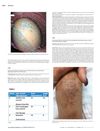 October 2017 in “The American journal of gastroenterology”
 Three patients suffered severe health issues due to not getting enough vitamins and minerals after weight-loss surgery.
 1 citations
,
November 2025 in “Wiener Medizinische Wochenschrift”
1 citations
,
November 2025 in “Wiener Medizinische Wochenschrift” Infectious cerebral vasculitis can be a severe complication of meningoencephalitis, regardless of the pathogen.
 October 2023 in “CHEST Journal”
 Early recognition and treatment of severe SLE symptoms can improve outcomes.
 June 2020 in “Research Square (Research Square)”
 Non-Kuwaitis with COVID-19 had higher chances of severe outcomes than Kuwaitis.
 176 citations
,
May 2020 in “Dermatologic Therapy”
176 citations
,
May 2020 in “Dermatologic Therapy” COVID-19 can cause different skin symptoms that may help with early diagnosis and show how severe the disease is.
6 citations
,
October 2024 in “BMC Infectious Diseases” Vaccination reduces COVID-19 severity, and some symptoms like hair loss can persist for a year.
35 citations
,
July 1977 in “PubMed” SLE affects lungs and kidneys similarly due to immune complexes.
 5 citations
,
May 2020 in “Dermatologic Therapy”
5 citations
,
May 2020 in “Dermatologic Therapy” 5-alpha reductase inhibitors might worsen lung recovery in COVID-19 patients, suggesting a pause in their use.
January 2019 in “Lung India” A 68-year-old woman with lupus and blood disorders improved after increased steroids and immunoglobulin treatment.
 August 2025 in “Cermin Dunia Kedokteran”
 HMPV causes respiratory infections, mainly managed with supportive care, and lacks a vaccine or specific treatment.
June 2025 in “Basrah Journal of veterinary Research” Vaccination and hygiene are key to preventing Feline Calicivirus in cats.
 January 2023 in “Brazilian Journals Editora eBooks”
 The document concludes that Passiflora incarnata could help with anxiety, telemedicine might improve heart failure care, screen time for kids has increased, pregnant teens in Brazil are mostly okay with their body image, rare tuberculosis infection can occur after knee surgery, older and severely ill people are more likely to have long COVID-19 symptoms, HPLC might diagnose more diabetes cases, and psychiatrists should be involved in pain management.
 January 2023 in “Brazilian Journals Editora eBooks”
 Surgery to fix a broken upper arm bone can sometimes lead to nerve damage.
 8 citations
,
January 2022 in “Infectious diseases News Opinions Training”
8 citations
,
January 2022 in “Infectious diseases News Opinions Training” Genetic differences affect COVID-19 severity and treatment effectiveness.
 1 citations
,
November 2023 in “Journal of neurology”
1 citations
,
November 2023 in “Journal of neurology” A patient with a nerve disorder died from infection complications after developing insulin resistance from a treatment.
12 citations
,
April 2020 in “Medical hypotheses” Men on 5-alpha-reductase inhibitors might have worse COVID-19 outcomes.
 February 2023 in “Journal of Korean Medical Association”
 Targeted cancer therapies can cause new side effects, requiring careful monitoring and management to ensure patient safety.
 April 2022 in “International journal of respiratory and pulmonary medicine”
 People with lower levels of free testosterone tend to have worse COVID-19 outcomes.
 November 2020 in “Journal of Bioengineering and Technology Apllied for Health”
 COVID-19 affects multiple body systems and complicates treatment; accurate testing is crucial.