 1 citations
,
May 2017 in “InTech eBooks”
1 citations
,
May 2017 in “InTech eBooks” Some natural remedies may help with hair regrowth, but more research is needed to confirm their effectiveness and safety.
 1 citations
,
September 2013 in “Elsevier eBooks”
1 citations
,
September 2013 in “Elsevier eBooks” Hair ages and thins due to factors like inflammation and stress, and treatments like antioxidants and hormones might improve hair health.
 1 citations
,
January 2013 in “Elsevier eBooks”
1 citations
,
January 2013 in “Elsevier eBooks” The document reviews various hair and nail disorders, their causes, and treatments, emphasizing the need for proper diagnosis and the link between nail changes and systemic diseases.
 1 citations
,
April 2010 in “Expert Review of Dermatology”
1 citations
,
April 2010 in “Expert Review of Dermatology” The document concludes that early diagnosis and treatment are crucial for managing rare hair loss disorders and that more research is needed to improve treatment strategies.
 1 citations
,
January 2010 in “Elsevier eBooks”
1 citations
,
January 2010 in “Elsevier eBooks” Any drug can cause skin reactions, but antibiotics, NSAIDs, and psychotropic drugs are more common, with some reactions being life-threatening.
 1 citations
,
February 2004 in “Journal of The European Academy of Dermatology and Venereology”
1 citations
,
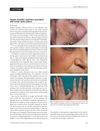
February 2004 in “Journal of The European Academy of Dermatology and Venereology” Hair loss improved with treatment and successful transplant.
 1 citations
,
August 1946 in “Archives of dermatology”
1 citations
,
August 1946 in “Archives of dermatology” The meeting highlighted the complexity and variability of skin conditions and differing opinions on their diagnoses and treatments.
 1 citations
,
January 2025 in “Frontiers in Pharmacology”
1 citations
,
January 2025 in “Frontiers in Pharmacology” Total glucosides of paeony can help treat skin conditions but need more research for clinical use.
 July 2026 in “Lasers in Medical Science”
 Fractional microneedle radiofrequency is effective and safe for skin rejuvenation and acne scars.
 July 2026 in “Functional Foods in Health and Disease”
 Strawberry guava extract helps hair grow by improving blood flow and certain growth factors.
 July 2026 in “Clinical Cosmetic and Investigational Dermatology”
 Poor sleep and high stress are linked to skin, scalp, and hair problems.
 July 2026 in “Frontiers in Immunology”
 Targeting protein lactylation may improve skin disease treatments.
 May 2026 in “The Scientific Issues of Ternopil Volodymyr Hnatiuk National Pedagogical University Series pedagogy”
 Detoxil effectively treats chronic skin conditions by improving liver detoxification and reducing symptoms.
 April 2026 in “Clinical Cosmetic and Investigational Dermatology”
 Renal transplant recipients often have skin issues, especially infections, and need regular skin check-ups.
 March 2026 in “American Journal of Clinical Dermatology”
 Cancer survivors need better skin care to improve their quality of life.
 March 2026 in “Dicle Medical Journal / Dicle Tip Dergisi”
 Blood groups are not linked to hidradenitis suppurativa.

Experts created guidelines to better diagnose and treat uncommon fungal skin infections.
 February 2026 in “International Journal of Basic & Clinical Pharmacology”
 Cosmetovigilance and clinical pharmacists can enhance safety in cosmetic treatments, especially for those with diabetes.

Elderly skin care needs personalized treatment, early intervention, and integrated psychiatric care.
 February 2026 in “International Journal of Web of Multidisciplinary Studies”
 Restoring microbial balance and using exosome therapies may help treat hair disorders like alopecia and acne.
 January 2026 in “Annals of Clinical Endocrinology and Metabolism”
 Restoring NAD⁺ may help with aging and chronic diseases, but more research is needed.
 January 2026 in “Forum Dermatologicum”
 Hair loss can be caused by cancer, treatments, or skin conditions, and trichoscopy helps diagnose it.
 January 2026 in “Forum Dermatologicum”
 Platelet-rich plasma helps improve skin and hair conditions.
 January 2026 in “Frontiers in Natural Products”
 Combining shikimic acid and Prunus mume extract may effectively treat acne naturally.
 January 2026 in “Annals of Dermatology”
 Many dermatology patients experienced anxiety, depression, PTSD, and skin issues after the February 6, 2023 earthquakes, highlighting the need for combined skin and mental health care.
 December 2025 in “Cureus”
 Using 5α-reductase inhibitors for hair loss may increase the risk of dry eye disease.
 December 2025 in “Journal of Education Health and Sport”
 LED therapy is safe and effective for improving skin health and appearance.
 December 2025 in “Open Repository of the University of Porto (University of Porto)”
 Pharmacists play a crucial role in improving patient outcomes through personalized care and staying updated with scientific advancements.
 September 2025 in “Frontiers in Cell and Developmental Biology”
 Retinoic acid may help heal skin without scars by reducing fibrosis and supporting skin regeneration.
 September 2025 in “Clinical Cosmetic and Investigational Dermatology”
 Moderate exercise improves skin health, but intense exercise without protection can harm it.